

Water on the Brain in Seniors: A Family Guide
Water on the brain in elderly adults explained – what it really means, the symptoms families notice first, and why it is often treatable.
Water on the brain in elderly adults explained – what it really means, the symptoms families notice first, and why it is often treatable.
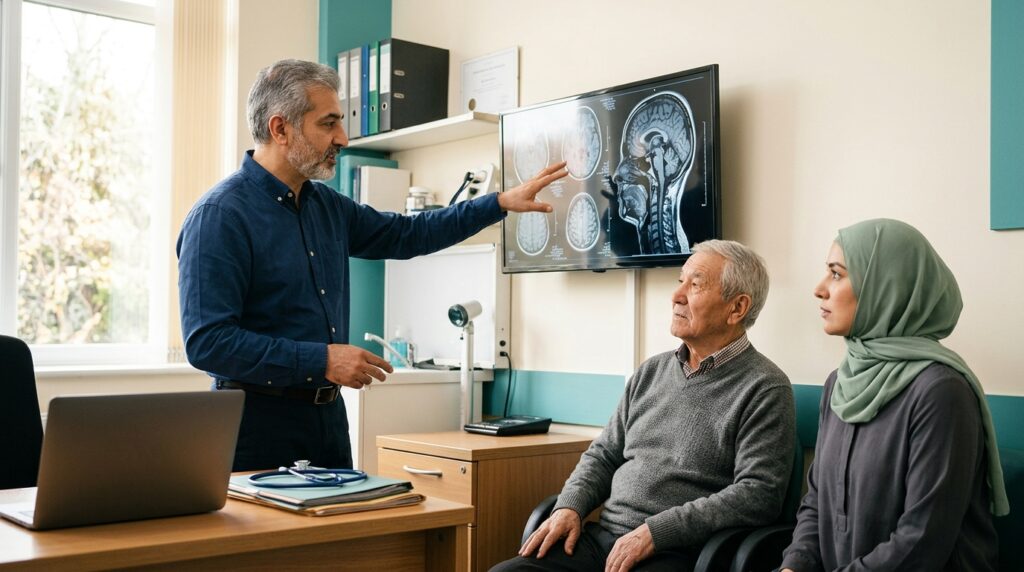
NPH vs dementia – how doctors distinguish normal pressure hydrocephalus from Alzheimer’s and Parkinson’s, and why the order of symptoms matters most.
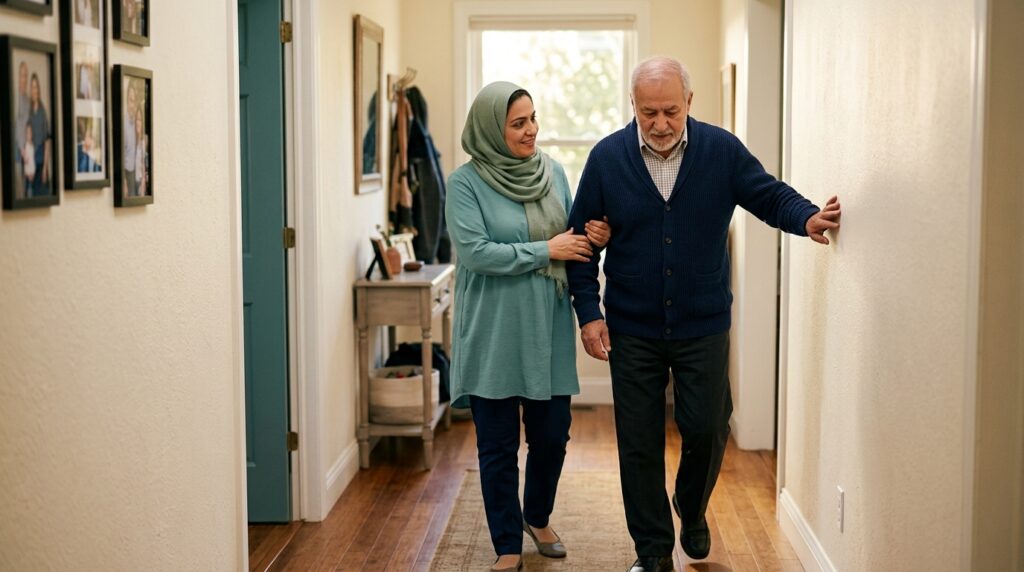
Normal pressure hydrocephalus symptoms are often mistaken for ageing or dementia. The seven signs families miss, and why NPH is treatable.

Hydrocephalus developmental delays explained for parents, what the research actually shows, which delays are common, and how children catch up.

So much attention goes to the diagnosed child. Here’s what siblings are often feeling quietly, and practical ways to make sure they feel seen too.

A 2026 study found a smartwatch app detected 46 of 47 tonic-clonic seizures with a 90% lower false-alarm rate. Here’s what that means for families.

Cognitive recovery is quieter than physical recovery, but just as real. What rehab looks like, and simple memory games to try at home.

Core strength is the quiet foundation nearly every other recovery milestone depends on. Simple, therapist-informed exercises for home.

“What is my child’s life expectancy with hydrocephalus?” A grounded look at what long-term outcome studies actually show families.

Hydrocephalus in adults – normal pressure hydrocephalus symptoms, why it is mistaken for dementia, how it is diagnosed, and whether a shunt helps.
In Collaboration With