
Key Takeaways
- No.
- No.
- High false-alarm rates were the main issue — devices that frequently misidentified normal movement as a seizure led many families to stop trusting or using them consistently.
Seizure Detection Wearables: What New 2026 Research Shows Parents About Smartwatches and Alert Devices
By Haris Bin Tahir
Father of a hydrocephalus survivor. Independent researcher. Not a doctor.
Founder, Brain Care Path · braincarepath.com
Quick answer: A May 2026 study found a smartwatch app accurately detected 46 of 47 tonic-clonic seizures in a group of children and adults with epilepsy. The app’s false-alarm rate was around 90 percent lower than earlier comparable devices — a major practical improvement.
Key Takeaways
- A May 2026 study found a smartwatch app accurately detected 46 of 47 tonic-clonic seizures in a group of children and adults with epilepsy
- The app’s false-alarm rate was around 90 percent lower than earlier comparable devices — a major practical improvement
- High false-alarm rates have historically been the main reason families stop using seizure-alert wearables consistently
- These devices are designed to alert caregivers quickly so first aid can be given sooner, particularly for nighttime, unwitnessed seizures
- Wearables are a safety layer, not a replacement for good seizure control or a written seizure action plan
Every parent of a child with epilepsy who has ever lain awake wondering whether they would know if a seizure happened overnight has, at some point, looked into seizure-detection wearables — and, often, walked away discouraged by devices with too many false alarms to trust. New research published in 2026 suggests that may finally be changing.
This article walks through what the newest wearable seizure-detection research actually found, how these devices work day to day, and how to think about whether one might be right for your family.
How the New Research Findings Work

A study published in Neurology Open Access in May 2026 evaluated a smartwatch app called EpiWatch, designed to detect tonic-clonic (grand mal) seizures using the watch’s built-in motion sensors. Across a study group of 242 adults and children with epilepsy, the app accurately detected 46 out of 47 tonic-clonic seizures that occurred during the study period.
Just as important as the detection rate: the app’s false-alarm rate was reported to be around 90 percent lower than what similar earlier devices have shown. This matters enormously in practice, because a device that constantly triggers false alerts — for ordinary movement, exercise, or rough play — quickly gets ignored, muted, or abandoned altogether, regardless of how accurate it is when a real seizure occurs.
How These Devices Work Day to Day
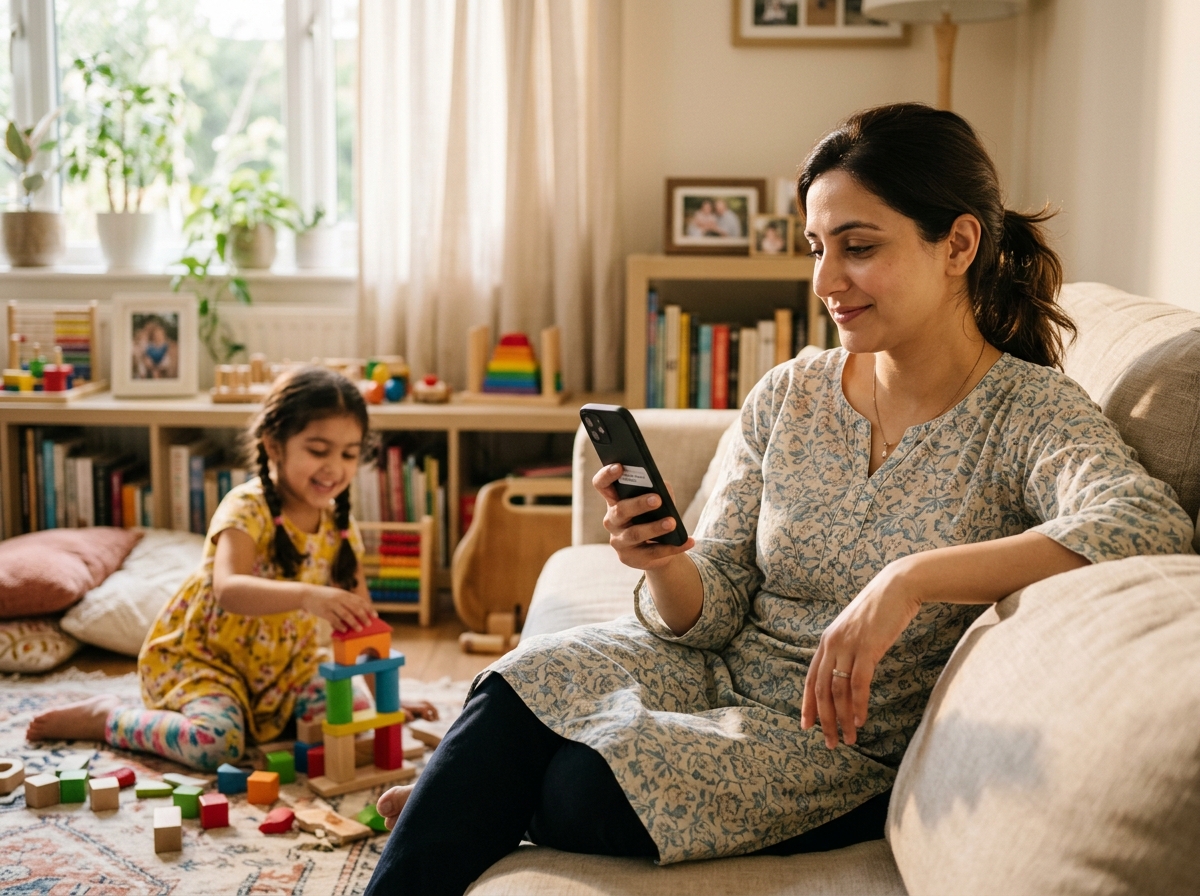
Seizure-detection wearables generally use motion sensors, and sometimes heart-rate data, to identify the distinctive rhythmic shaking pattern of a tonic-clonic seizure. When a likely seizure is detected, the device sends an alert — typically to a paired phone app and, from there, to designated caregivers — so that someone can respond quickly, even if they are not in the same room.
This matters most for nighttime and unwitnessed seizures, which carry higher risk precisely because there may be a delay before anyone realizes a seizure is happening. Tonic-clonic seizures, in particular, carry risk of airway complications, which is part of why timely response is considered protective, including in the context of reducing SUDEP risk, which we cover in a companion article.
Accuracy and Limitations
It is worth being clear-eyed about what these devices can and cannot do. Most current wearables, including the one in this study, are built and validated specifically to detect tonic-clonic seizures — the most visibly dramatic and highest-risk seizure type. They are generally less reliable, or not designed at all, for detecting other seizure types, such as absence or focal seizures, which do not produce the same distinctive motion signature.
Broader research in this space, including systematic reviews of wearable seizure detection technology and newer work exploring AI-based approaches, continues to focus heavily on improving both accuracy and the ability to detect a wider range of seizure types — an active and genuinely fast-moving area of research as of 2026.
Choosing the Right Option for Your Family

Not every child with epilepsy needs a seizure-detection wearable. They tend to be most relevant for children with a history of frequent, unsupervised, or nighttime tonic-clonic seizures — exactly the profile associated with higher SUDEP risk. For children with well-controlled epilepsy or seizure types these devices are not designed to detect, a wearable may add less practical value.
This is a genuinely good conversation to have directly with your child’s neurologist, who can weigh your child’s specific seizure pattern, frequency, and risk factors against what a given device is actually built to detect.
Questions to Ask Your Neurologist
- Given our child’s seizure type and history, would a seizure-detection wearable add meaningful safety value?
- Which devices are you familiar with, and which would you recommend we look into?
- How should a wearable fit into our existing seizure action plan?
- Are there other, non-wearable monitoring options worth considering as well?
Frequently Asked Questions About Seizure Detection Wearables
Can a smartwatch detect all types of seizures?
No. Most current wearables, including the app studied in the 2026 research, are specifically designed and validated for tonic-clonic (convulsive) seizures. They are generally not reliable for detecting absence seizures or many focal seizure types.
Do seizure-detection wearables replace the need for supervision?
No. They are an additional safety layer designed to shorten the time before a caregiver responds, not a substitute for a seizure action plan, good seizure control, or appropriate supervision based on your child’s individual risk.
Why did earlier seizure-detection devices have a bad reputation with families?
High false-alarm rates were the main issue — devices that frequently misidentified normal movement as a seizure led many families to stop trusting or using them consistently. This is precisely the problem the newest 2026 research reports meaningful progress on.
Seizure-detection technology has historically promised more than it delivered, which made many families understandably skeptical. The 2026 research on sharply reduced false-alarm rates is a genuine, measurable step forward — not a finished solution, but real progress toward a tool that families might actually be able to trust and use consistently.
This article is for informational purposes only and does not constitute medical advice. Speak with your child’s neurologist before choosing or relying on any seizure-detection device. Read our full disclaimer: braincarepath.com/disclaimer/
Bibliography
- American Academy of Neurology / Brain and Life (2026). Smartwatch App Detects Seizures with Low Rate of False Alarms. Available at brainandlife.org.
- AAN Press Release (2026). Smartwatch app detects seizures with low rate of false alarms. Available at aan.com.
- U.S. News & World Report (2026). Smartwatch App Accurately Detects Major Epileptic Seizures. Available at usnews.com.
- Artificial intelligence in wearable seizure detection devices: current technologies and future directions. Available at PubMed.
- Frontiers in Bioengineering and Biotechnology (2026). Automated seizure detection using wearable devices: updated systematic review and meta-analysis. Available at frontiersin.org.