

Absence Seizure in Children: What Parents Should Do First
An absence seizure in children is a brief lapse of awareness, often mistaken for daydreaming. What to do during one, how doctors confirm it, and what the research shows.
An absence seizure in children is a brief lapse of awareness, often mistaken for daydreaming. What to do during one, how doctors confirm it, and what the research shows.

What causes hydrocephalus in newborns, explained for parents: the five main causes, how common each is, and why the cause shapes treatment.

Quick answer: Pediatric hydrocephalus affects an estimated 1 in 1,000 to 1,500 U.S. births, and up to 40% of shunts

Postpartum mental health for parents of a medically complex newborn, real risk data, PTSD, and where to get support. By a caregiver-researcher.

Hydrocephalus and Down syndrome explained together, how often they overlap and what parents should know. By a caregiver-researcher at BrainCarePath.
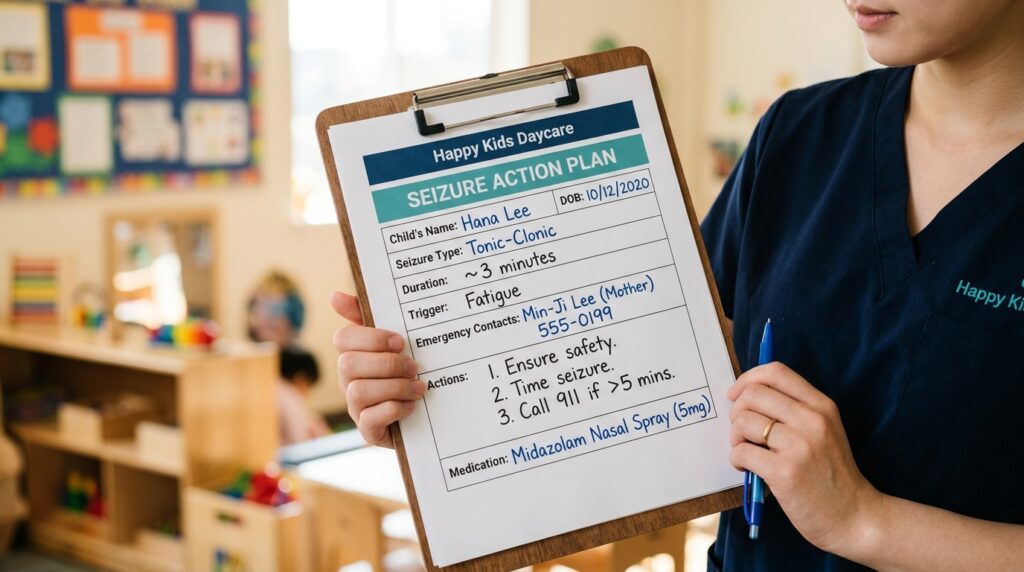
Choosing daycare or preschool for a child with hydrocephalus or epilepsy, what to ask, seizure action plans, and staff training.

Epilepsy and vaccines explained honestly, febrile seizure risk, what research actually shows, and vaccinating a child with epilepsy.

Insurance denials for shunt or neurosurgery explained, why they happen and a step-by-step appeal process for parents. By a caregiver-researcher.
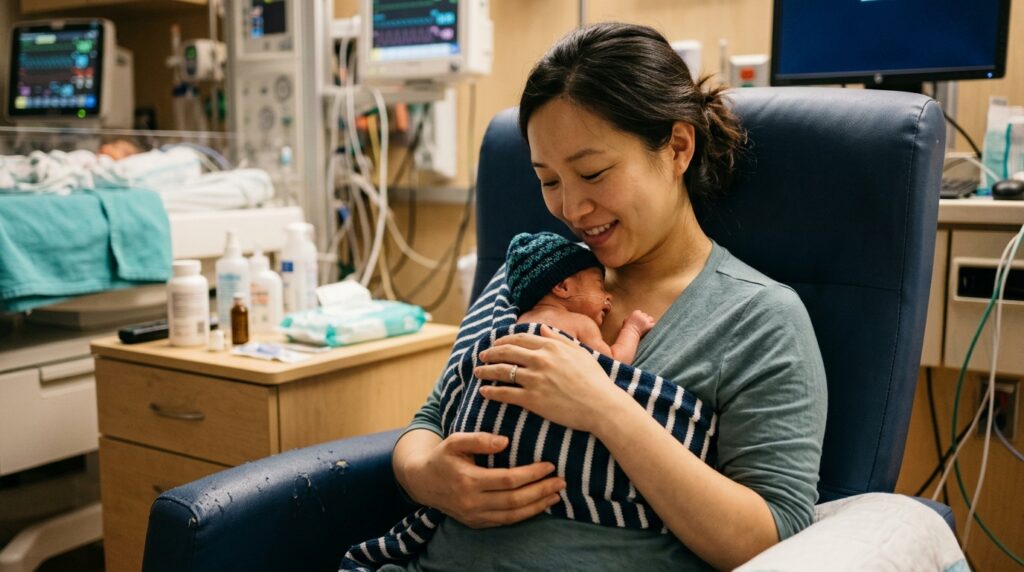
Hydrocephalus in premature babies explained, IVH, post-hemorrhagic hydrocephalus, and what NICU parents should know. By a caregiver-researcher.

Getting a second opinion before shunt or brain surgery, when to seek one, how to ask, and what to expect. By a caregiver-researcher at BrainCarePath.
In Collaboration With