

Respite Care: How Families Actually Get a Break
Respite care for families of a disabled child – what it is, who provides it, how to access it, and why so many parents never ask.
Respite care for families of a disabled child – what it is, who provides it, how to access it, and why so many parents never ask.

Nocturnal seizure anxiety in parents – why night fear is so intense, what monitoring actually helps, and how families get sleep back.

Financial help for families raising a child with a neurological condition – what support exists, how to apply, and the costs nobody warns you about.

Telling school and friends about epilepsy – who needs to know, what to say at each age, and how to handle the conversation without making it bigger than it is.

IEP and 504 plans for hydrocephalus – which applies, how to request an evaluation, and the accommodations that genuinely help children learn.

A seizure action plan for school – what to include, a free copy-and-paste template, and how to make sure staff actually use it.

Shunt surgery in elderly patients – what the research says about outcomes, risks, recovery and who benefits most from NPH treatment after 65.
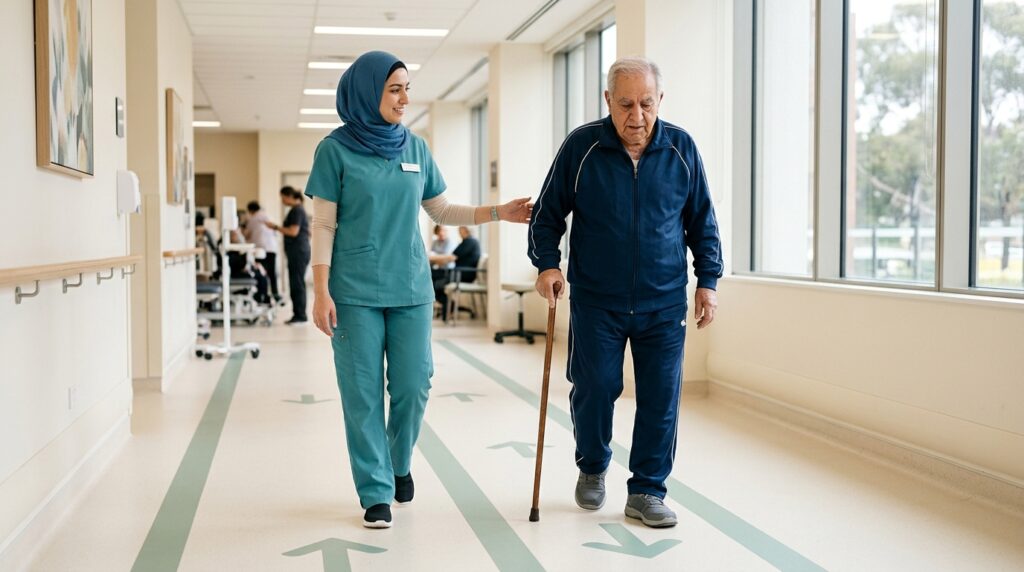
NPH gait explained – why walking is the first symptom of normal pressure hydrocephalus, what the magnetic gait looks like, and how it is assessed.

Water on the brain in elderly adults explained – what it really means, the symptoms families notice first, and why it is often treatable.

NPH vs dementia – how doctors distinguish normal pressure hydrocephalus from Alzheimer’s and Parkinson’s, and why the order of symptoms matters most.
In Collaboration With