

Hydrocephalus & Epilepsy Statistics Parents Should Know
Quick answer: Pediatric hydrocephalus affects an estimated 1 in 1,000 to 1,500 U.S. births, and up to 40% of shunts
Epilepsy is the most common serious neurological condition in childhood, affecting around 1 in 150 children. A diagnosis can feel frightening, but with the right information and support, most children with epilepsy live full and active lives. Understanding seizure types, medication options, and how epilepsy affects learning and behaviour gives families the tools to advocate confidently for their child.
This section covers epilepsy from every angle a parent needs: first seizure, diagnosis, anti-seizure medications including levetiracetam and sodium valproate, ketogenic diet therapy, school and sports safety, and the emotional impact of living with unpredictable seizures. You will also find guidance on behavioural and cognitive effects — because epilepsy often affects more than just the brain’s electrical activity.
All articles in this section are written for parents and caregivers, medically reviewed by consultant neurologists, and grounded in current clinical guidance. Whether you are navigating a new diagnosis or seeking deeper understanding of a long-term condition, you will find honest, practical information here.
Quick answer: Pediatric hydrocephalus affects an estimated 1 in 1,000 to 1,500 U.S. births, and up to 40% of shunts

Epilepsy and vaccines explained honestly — febrile seizure risk, what research actually shows, and vaccinating a child with epilepsy.

Seizure alert and response dogs for children with epilepsy explained — training, cost, and realistic expectations. By a caregiver-researcher.

VNS therapy for children with epilepsy explained — how it works, success rates, and recovery. Written by a caregiver-researcher at BrainCarePath.

Childhood epilepsy syndromes explained for parents — West, Dravet, Lennox-Gastaut, and more. Written by a caregiver-researcher at BrainCarePath.

My son’s seizure history did not begin with epilepsy. It began with meningitis. One condition gave us the other, and for months we did not fully understand the connection between them.

The question my wife asked the neurologist at our second appointment was the one neither of us had said out loud yet. “Do children ever just… stop having seizures?” The doctor paused before answering.

My son started having seizures at three years old. Nobody warned us that the pattern might change — that what looked manageable at five could look completely different by ten.
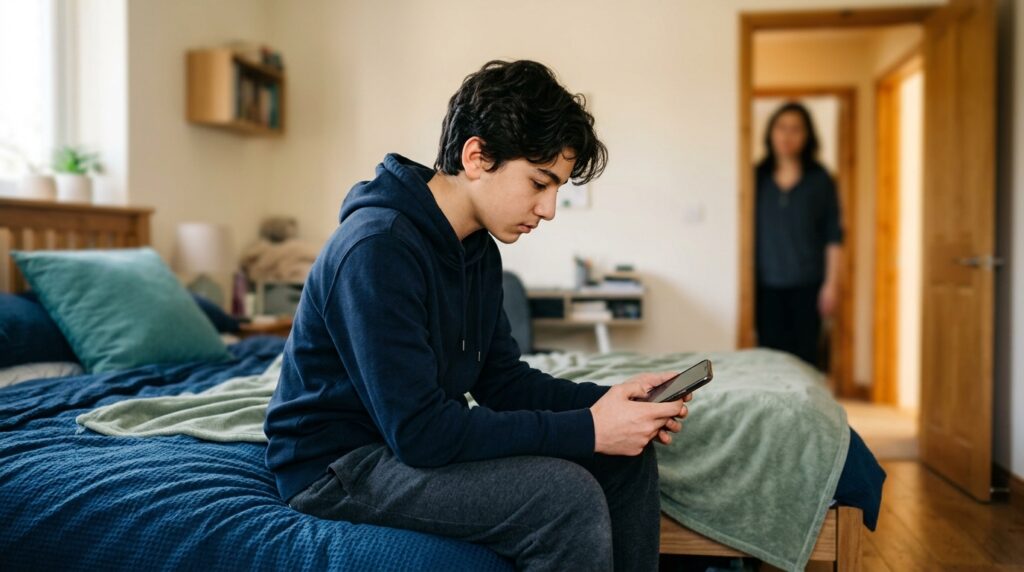
Epilepsy and puberty – why seizure patterns change, how hormones affect control, medication dose changes, and the independence conversation.

Driving with epilepsy – how seizure-free periods work, what you must declare, and what happens to your licence after a seizure.
In Collaboration With