Key Takeaways
- This varies significantly by child and by the specific surgery or condition.
- No.
- Yes, this is common.
Cognitive and Memory Exercises for Children After Hydrocephalus or Brain Surgery
By Haris Bin Tahir
Father of a hydrocephalus survivor. Independent researcher. Not a doctor.
Founder, Brain Care Path · braincarepath.com
Quick answer: Cognitive rehabilitation is a recognized part of recovery after pediatric brain surgery, not an optional extra. Research shows children’s brains retain significant plasticity, especially with early, consistent cognitive stimulation.
Key Takeaways
- Cognitive rehabilitation is a recognized part of recovery after pediatric brain surgery, not an optional extra
- Research shows children’s brains retain significant plasticity, especially with early, consistent cognitive stimulation
- Simple memory and attention games can be done at home alongside formal therapy
- Processing speed and attention often recover gradually over months, particularly in school-age children
- A neuropsychologist can provide formal testing and a tailored rehabilitation plan when needed
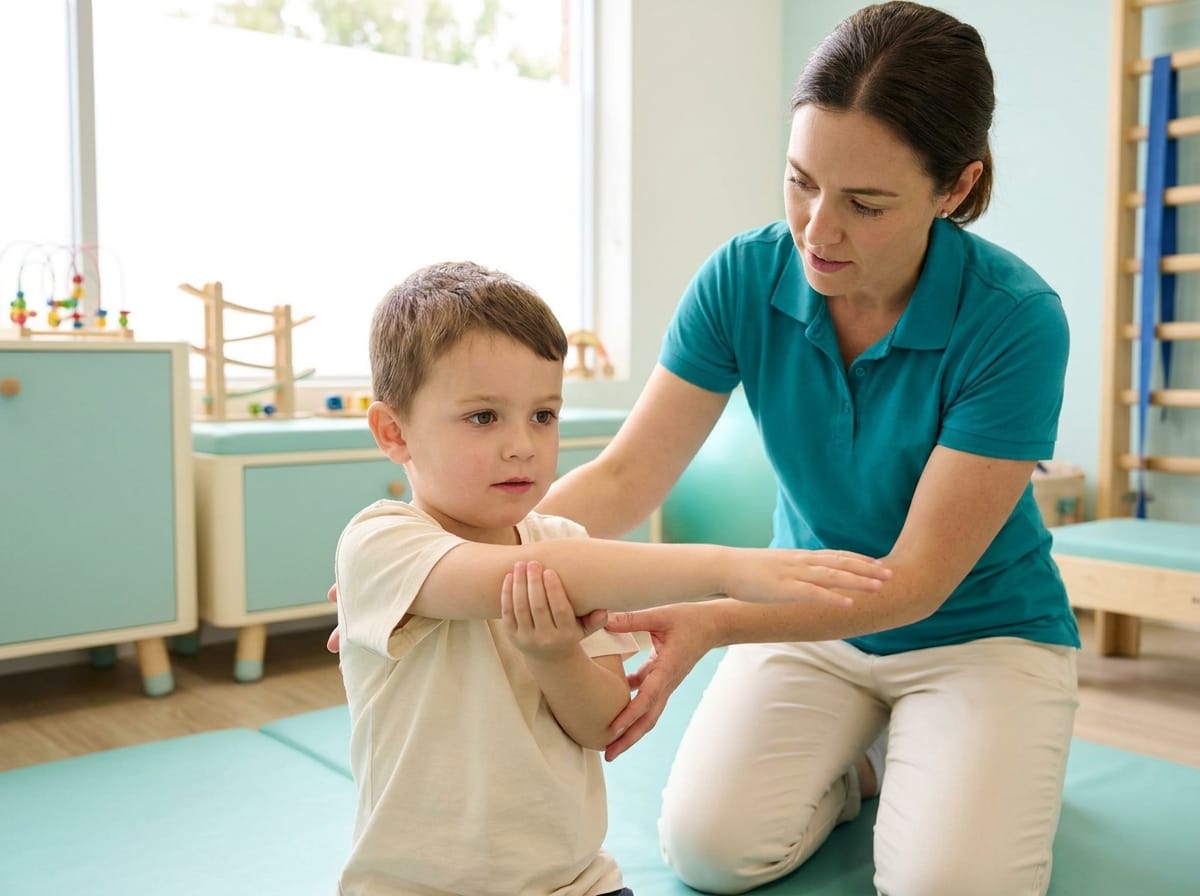
Physical recovery after brain surgery gets watched closely — walking, balance, hand strength. Cognitive recovery is quieter and easier to miss, even though for many families it matters just as much: memory, attention, and processing speed shape everything from schoolwork to friendships to a child’s own sense of confidence.
This article looks at what cognitive rehabilitation actually involves for children after hydrocephalus or brain surgery, what current research says about brain plasticity in this recovery window, and simple exercises many families use at home.
What Cognitive Rehab Looks Like for Kids
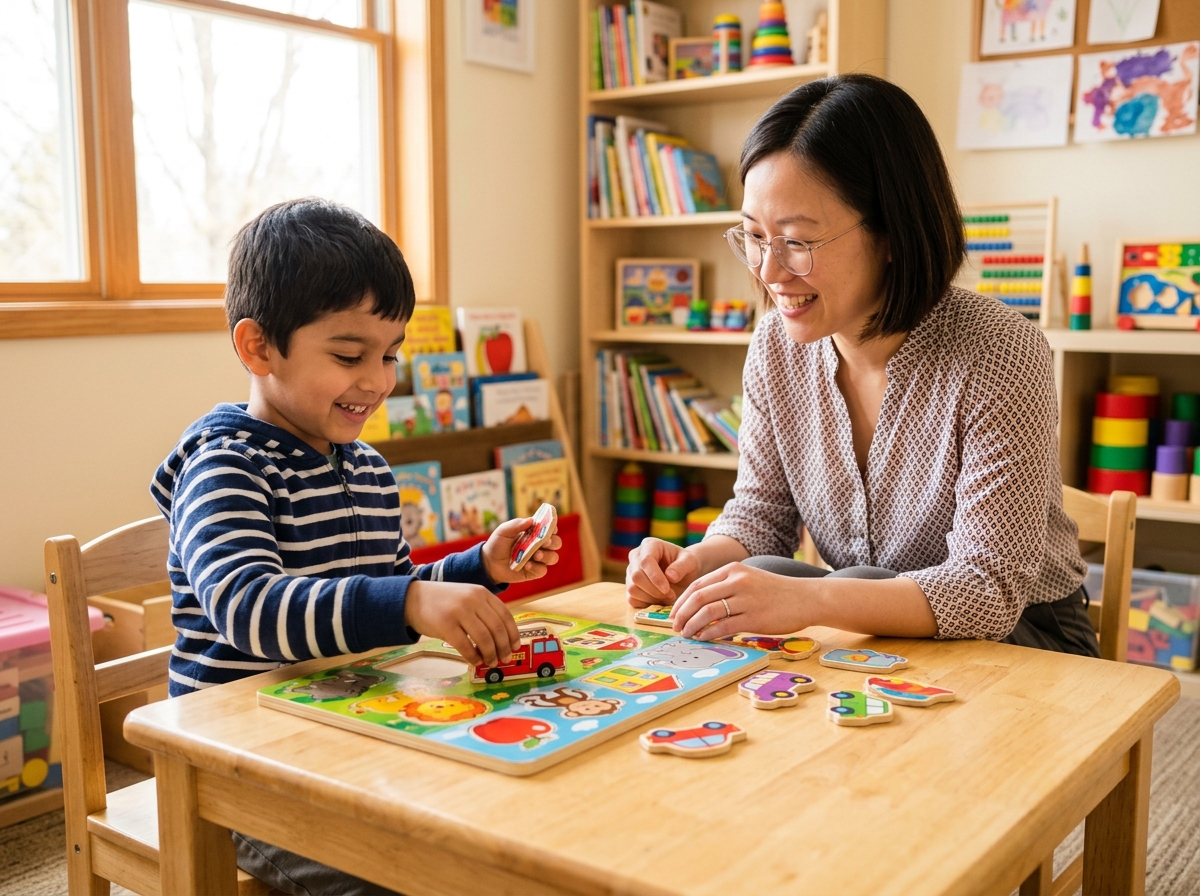
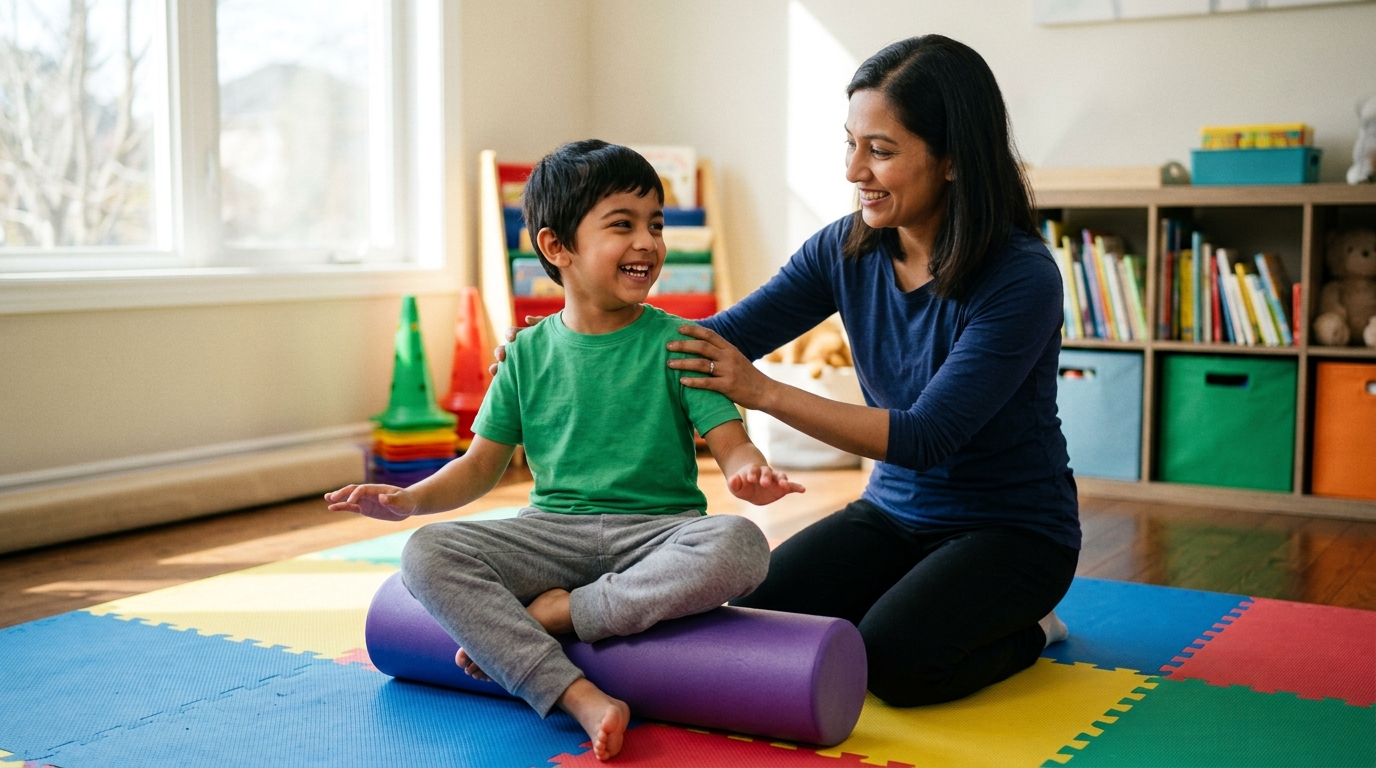
Cognitive rehabilitation for children typically targets specific skill areas affected by surgery or the underlying condition — attention, working memory, processing speed, and executive function (planning and organizing tasks). It is usually led by a neuropsychologist or occupational therapist and can involve structured exercises, computerized training programs, or classroom-based accommodations, often working together rather than any single approach alone.
Research on home-based cognitive training in children with acquired brain injury has found strong feasibility and acceptability — one study reported that the vast majority of participating children completed at least 90 percent of a structured 40-session, 8-week training program, suggesting these programs are genuinely usable for families, not just theoretical interventions.
How Early Stimulation Supports Brain Plasticity
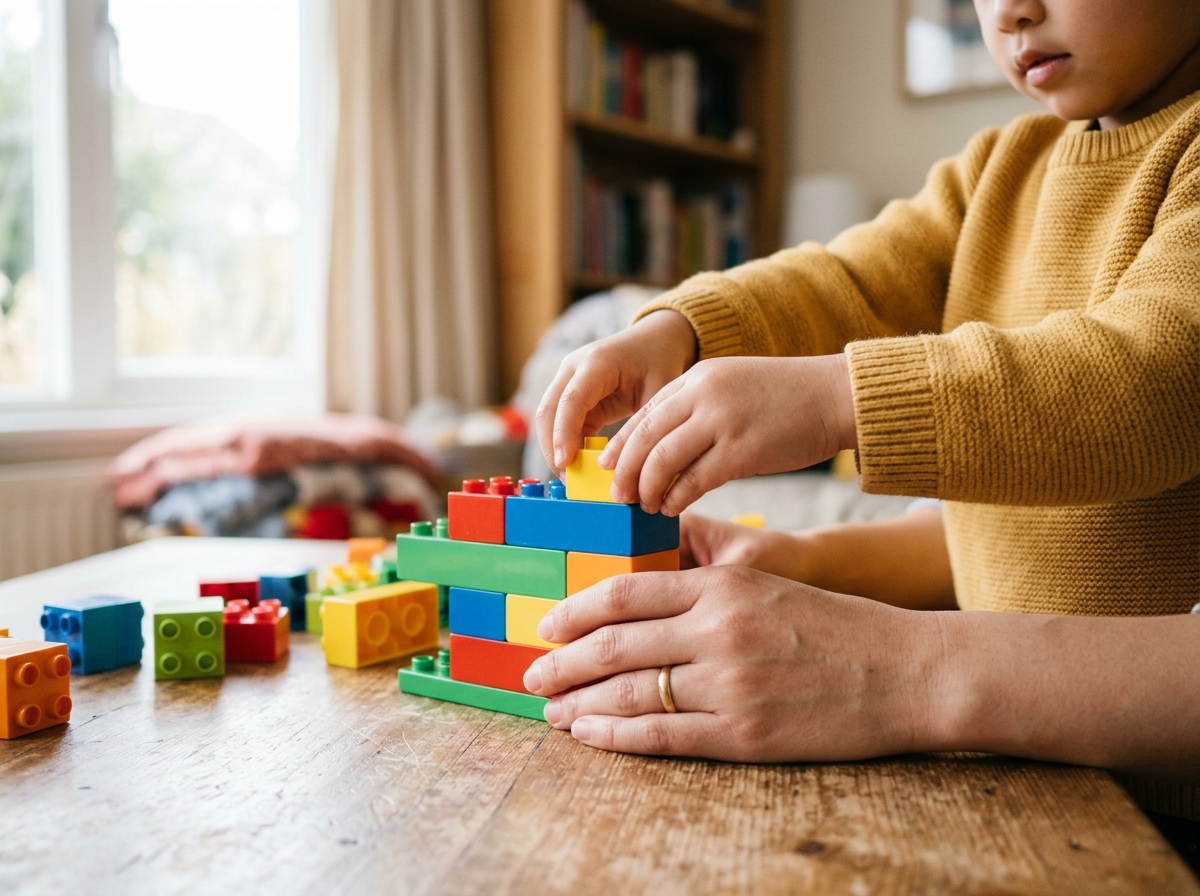
A child’s brain retains meaningful plasticity — the capacity to reorganize and build new neural connections — well beyond infancy. Tailored cognitive rehabilitation following brain injury is recognized as a key part of medical care specifically because early stimulation of cognitive functions is believed to promote this plasticity and support better everyday functioning.
There is also genuinely encouraging news in how children recover certain specific functions: research on processing speed after brain tumor resection in school-age children has found it can recover naturally within 3 to 6 months in many cases — a reminder that some cognitive recovery happens on its own timeline, alongside any structured rehabilitation.
Simple Memory and Attention Games to Try at Home
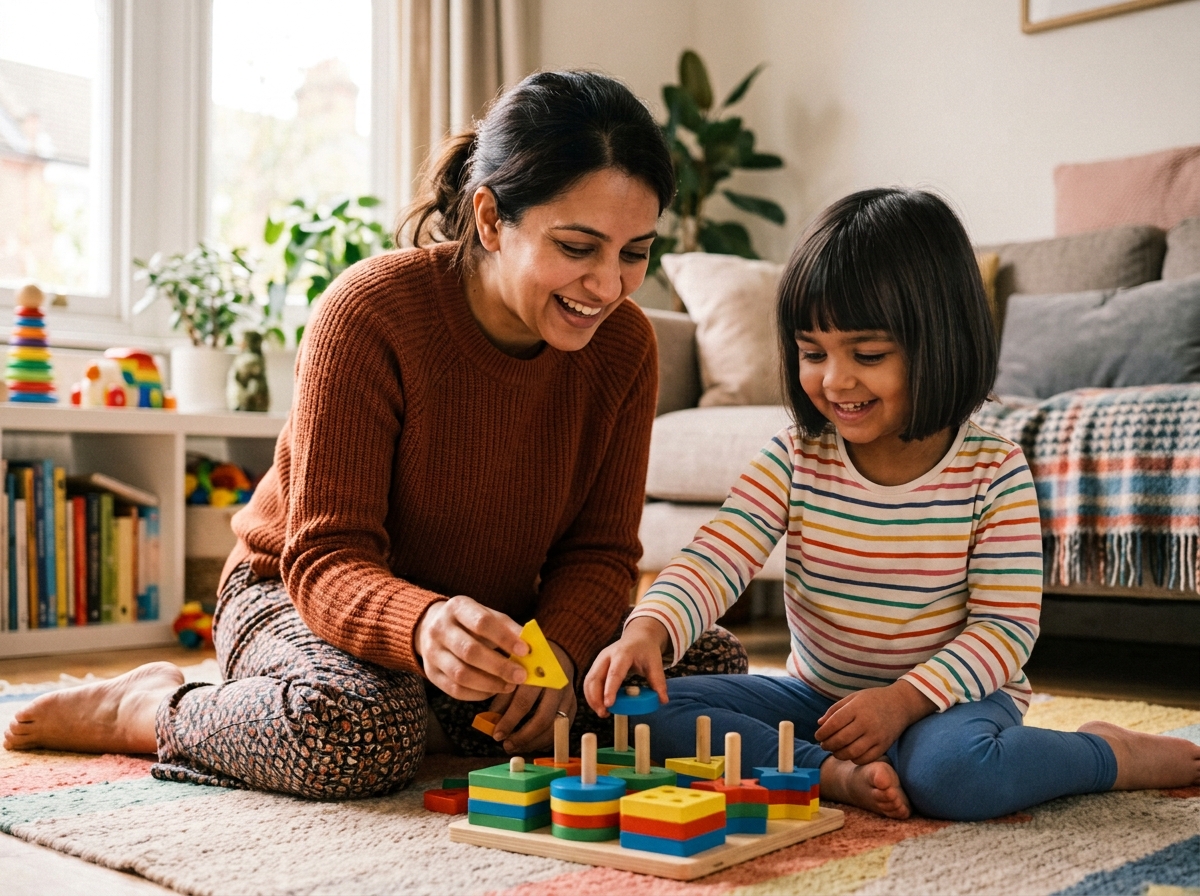
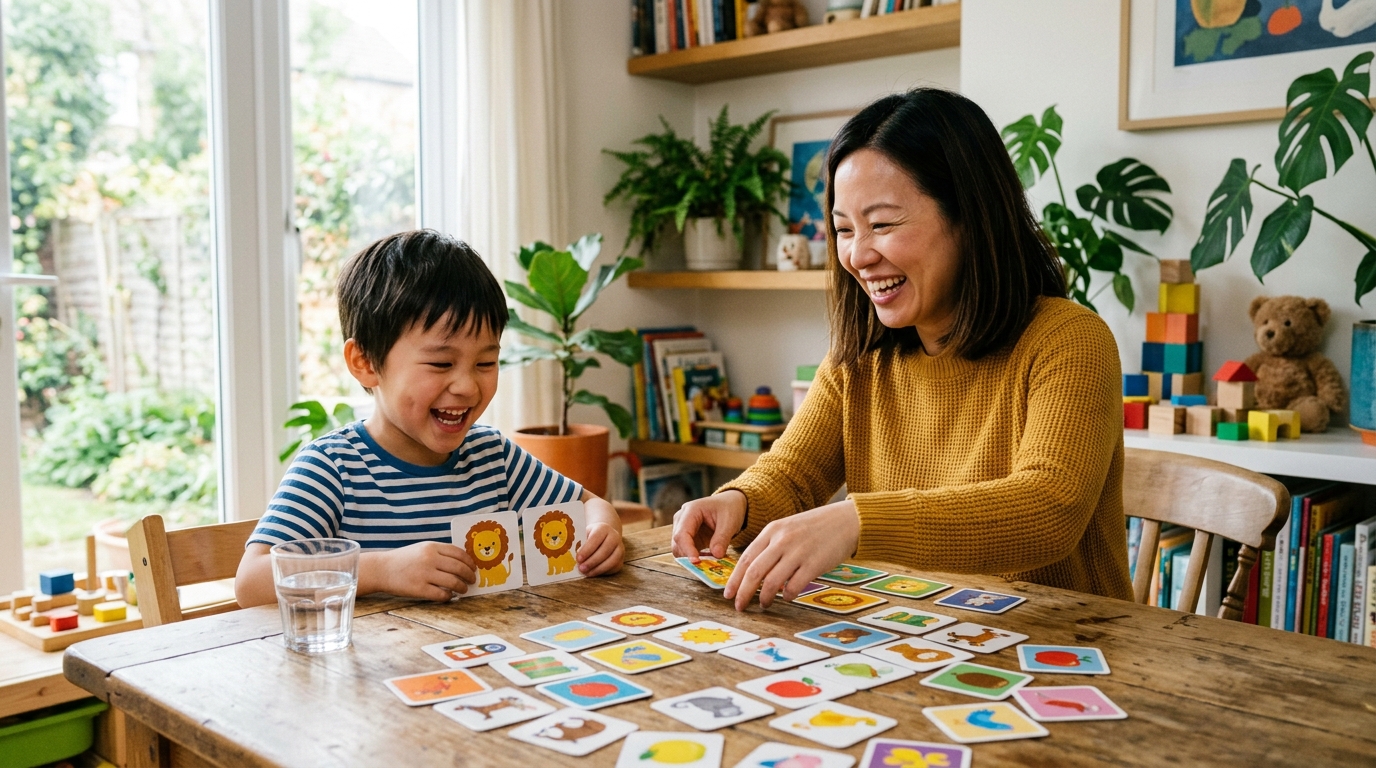
Memory: simple matching card games, “what’s missing” games with familiar objects on a tray, and retelling a short story in their own words after hearing it.
Attention: simple sorting tasks by color or shape, “I spy” games, and short, timed focus activities that gradually increase in length as tolerance builds.
Processing speed: simple, low-pressure timed games like matching pairs quickly, with the goal being gentle practice rather than pressure or competition — frustration tends to work against progress in this area.
Keep sessions short — often 10 to 15 minutes is plenty for a young child — and end on a success rather than pushing through frustration. The goal is consistent, low-stress practice, not intensive drilling.
When to Involve a Neuropsychologist
If you are noticing persistent difficulty with memory, attention, or schoolwork weeks or months after surgery, a formal neuropsychological evaluation can identify specific areas of difficulty and guide a tailored plan — including school accommodations, which can make a significant difference for a child returning to the classroom while still recovering cognitively.
Questions to Ask Your Child’s Care Team
- Would a formal neuropsychological evaluation be helpful for our child at this stage?
- Are there specific cognitive areas — memory, attention, processing speed — you’re most focused on for our child’s recovery?
- What home-based activities would you recommend alongside any formal therapy?
- Should we be requesting school accommodations while cognitive recovery continues?
Frequently Asked Questions About Cognitive Exercises After Brain Surgery
How long does cognitive recovery typically take?
This varies significantly by child and by the specific surgery or condition. Some functions, like processing speed after certain tumor surgeries, can recover within a few months, while other areas may take longer and benefit from structured rehabilitation support.
Can home cognitive games replace formal therapy?
No. Home activities are a helpful complement to, not a replacement for, formal cognitive rehabilitation when it is recommended by your child’s care team. A neuropsychologist or occupational therapist can target specific areas of difficulty far more precisely than general home games alone.
Is it normal for a child to seem more tired or frustrated during cognitive tasks after surgery?
Yes, this is common. Cognitive effort can be genuinely tiring for a recovering brain. Keep sessions short, watch for signs of fatigue or frustration, and stop before they build — pushing through exhaustion tends to be counterproductive for learning and recovery alike.
Cognitive recovery does not always announce itself the way physical recovery does, but it is just as real, and just as responsive to consistent, gentle support. With the right combination of formal rehabilitation, patient home practice, and a brain that is still genuinely capable of change, most children make real progress in the months and years after surgery.
This article is for informational purposes only and does not constitute medical advice. Speak with your child’s neuropsychologist or care team about a tailored cognitive recovery plan. Read our full disclaimer: braincarepath.com/disclaimer/
Bibliography
- Home-based cognitive training in pediatric patients with acquired brain injury: preliminary results on efficacy of a randomized clinical trial. Available at PMC.
- Early recovery of cognition and brain plasticity after surgery in children with low-grade frontal lobe tumors. Available at PMC.
- NYU Langone Health. Recovery & Support for Hydrocephalus in Children. Available at nyulangone.org.