
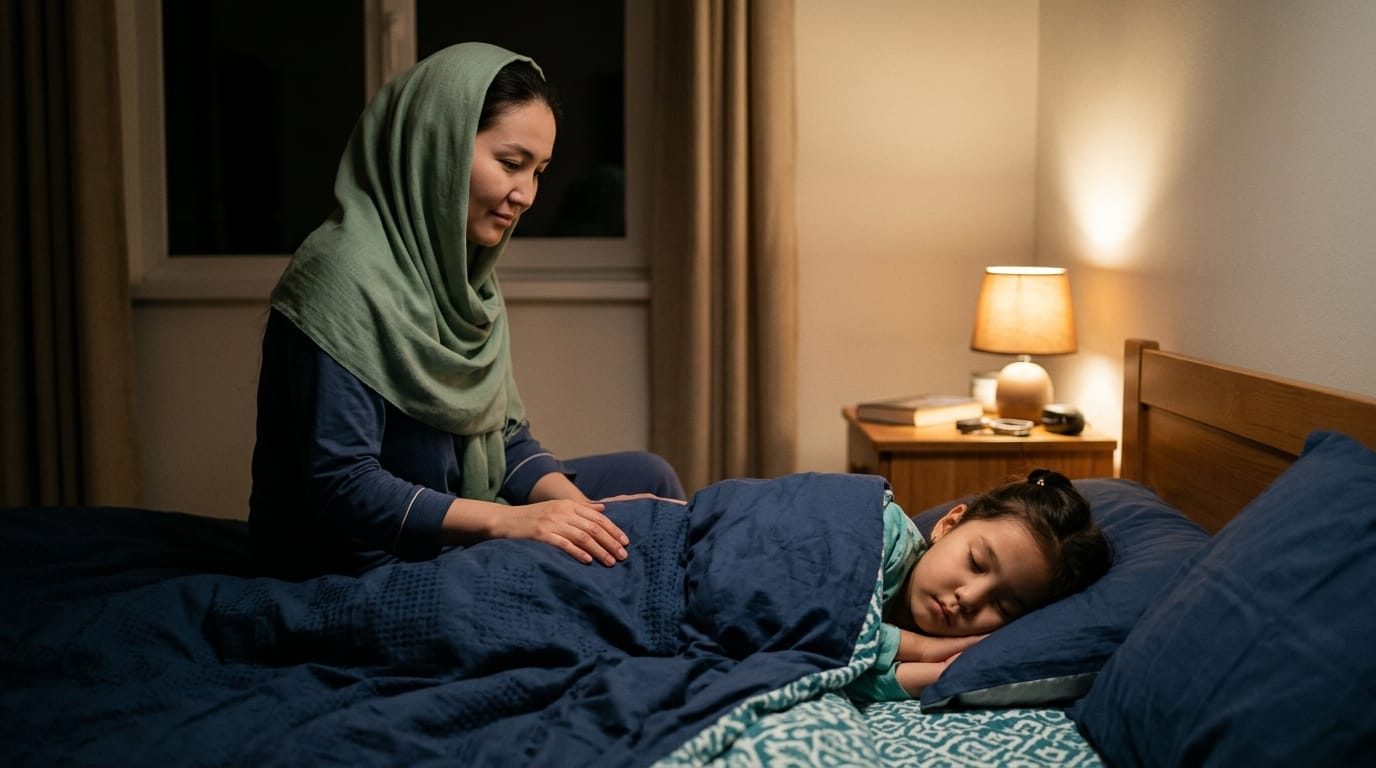
Quick answer: Night-time seizure fear is one of the most common and least discussed effects of epilepsy on parents. It is driven by loss of control during sleep and by awareness of SUDEP risk. Monitoring devices, a written night plan, and shared responsibility between parents all measurably reduce it.
Key Takeaways
- Night fear is extremely common and rarely raised in clinic appointments.
- Chronic parental sleep loss has real health consequences of its own.
- Monitoring can reduce anxiety, but reassurance must be realistic about limits.
- Sharing night duty between two adults protects both.
- Persistent night anxiety is treatable — it is not something to simply endure.
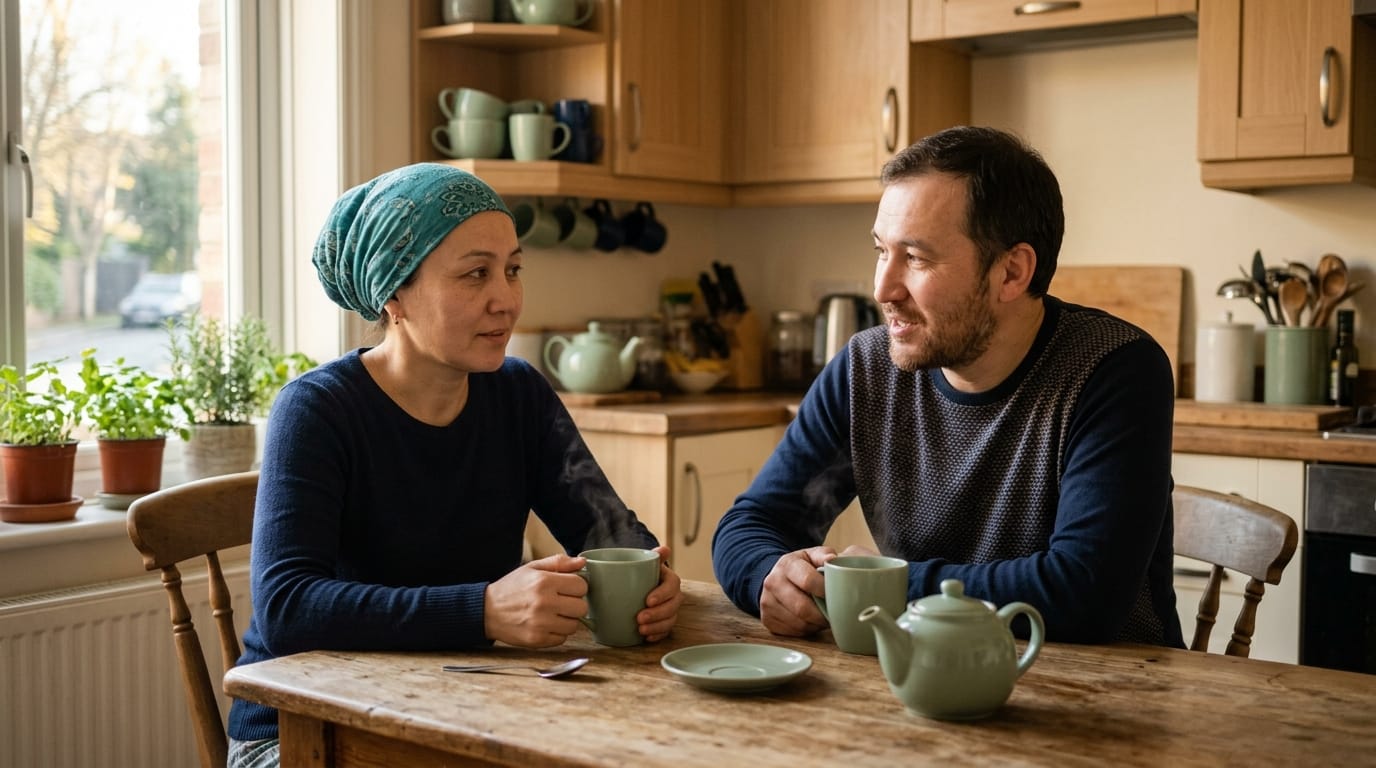
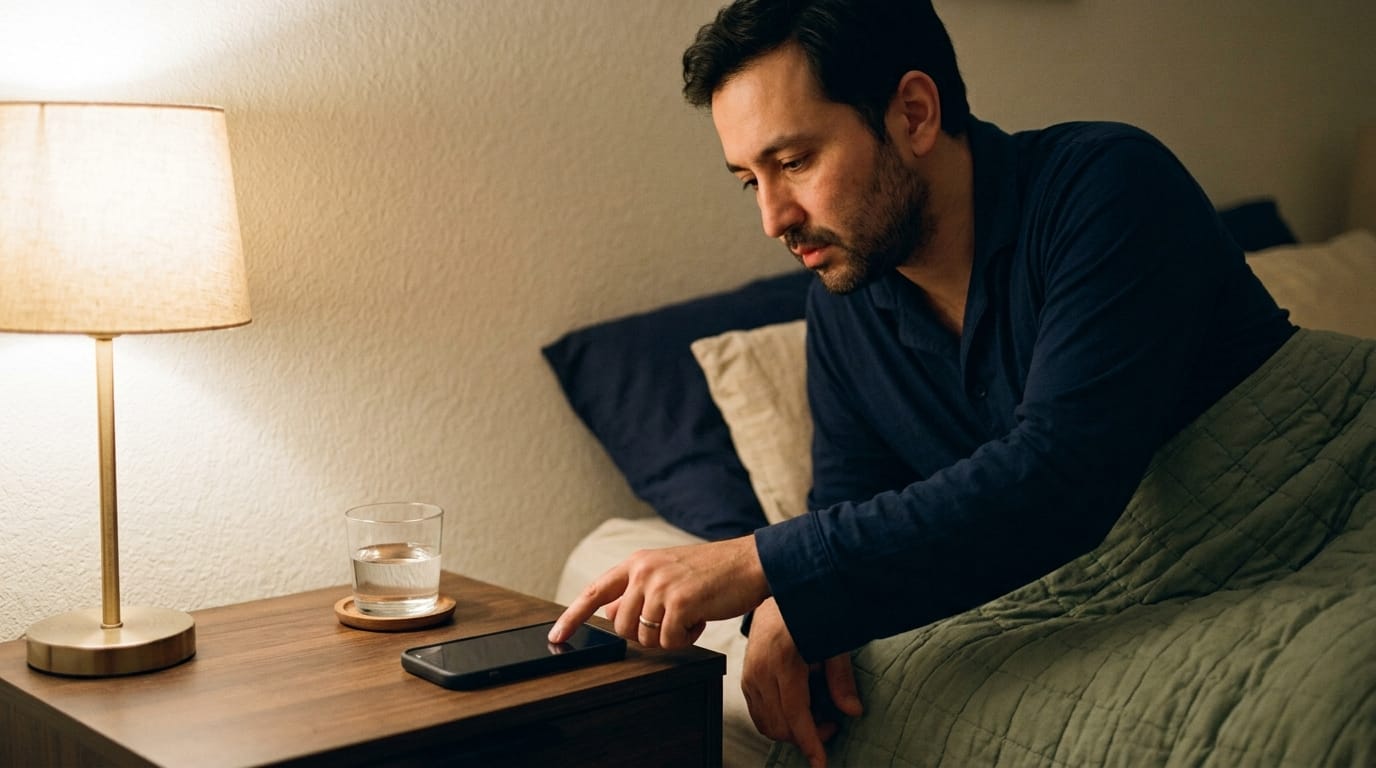
A mother told me she stopped truly sleeping the year her son’s seizures started coming at night. Not stopped sleeping entirely — she still lay down, still closed her eyes — but some part of her stayed awake, listening, for the better part of two years. She would wake at 3am for no reason she could name and lie there until she had confirmed, by sound alone, that his breathing was normal.
She could not explain this to people who had not lived it. Her husband slept through most nights undisturbed, not because he cared less, but because his body had not learned the same reflex hers had. She began to resent this quietly, then to feel guilty about resenting it, which was its own kind of exhausting.
Why Night Feels Different
During the day you can see your child. At night you cannot, and the mind fills that gap with the worst available image.
There is also a factual basis. Some seizure types occur predominantly during sleep, and the risk of sudden unexpected death in epilepsy is associated with unwitnessed night-time seizures. Parents who have read about SUDEP are not being irrational — they are responding to real information.
However, knowing something is a genuine risk does not make continuous vigilance an effective response to it. That distinction is where most families get stuck.
What Chronic Night Watching Does to Parents
Caregivers of children with epilepsy experience high rates of anxiety and depression, driven by uncertainty about when seizures will occur and fear of injury during them.
Sleep deprivation compounds this. It impairs judgement, emotional regulation and immune function. A parent who has not slept properly for months is less able to respond well in an actual emergency — the opposite of what the vigilance is meant to achieve.
This is worth stating plainly, because parents often treat their own exhaustion as an acceptable cost rather than a problem to solve.
What Monitoring Actually Offers
Monitoring can genuinely reduce anxiety, provided expectations are accurate.
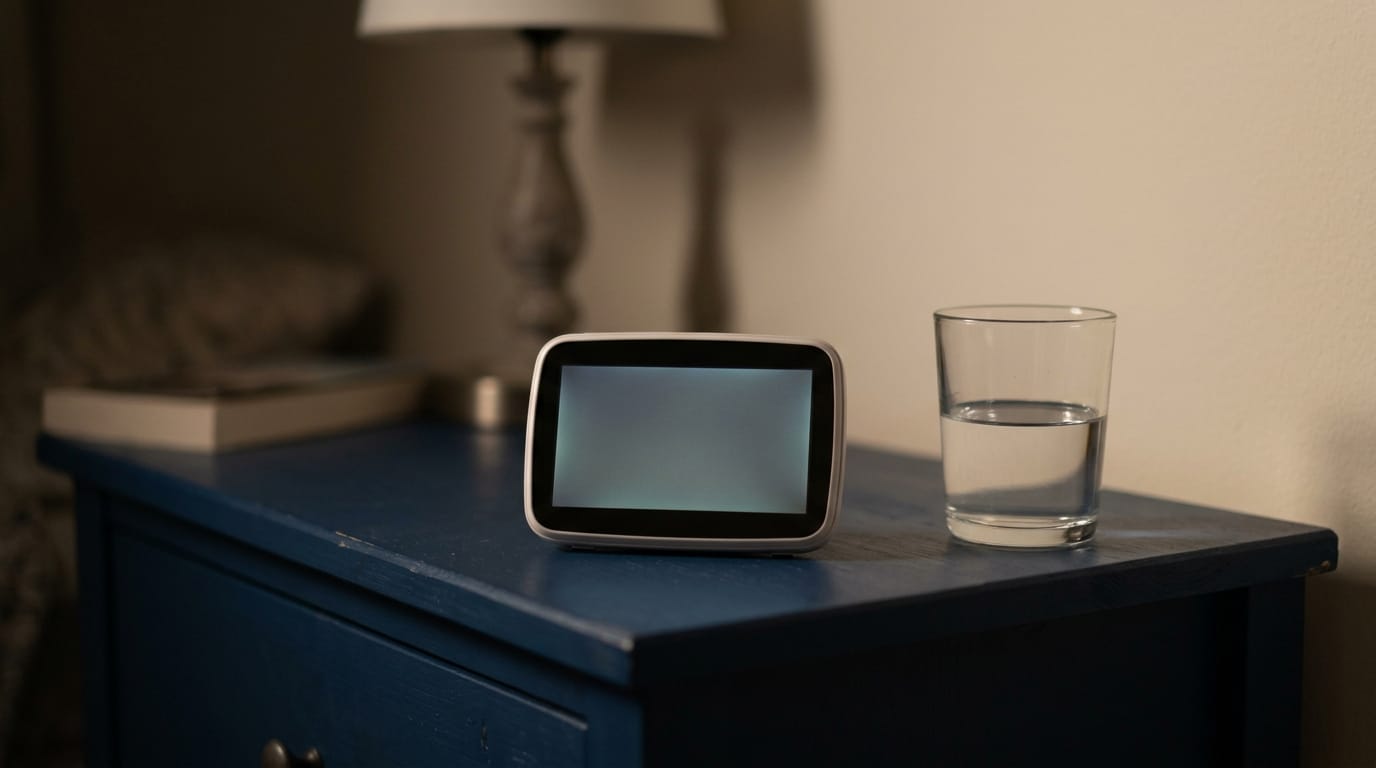
- Video baby monitors — simple, cheap, and often enough for younger children
- Audio monitors — useful for detecting the distinctive sound of a tonic-clonic seizure
- Movement/bed sensors — detect convulsive movement, though false alarms are common
- Wearable detection devices — a 2026 smartwatch study detected 46 of 47 tonic-clonic seizures with roughly one false alarm every 12 days
- Room sharing — effective, but weigh it against the child’s developing independence
Being Honest About What Monitoring Cannot Do
No device detects every seizure type. Focal and absence seizures often produce no movement or sound to detect.
A device that promises complete safety and then misses an event can worsen anxiety rather than reduce it. Choose based on what your child’s seizures actually look like — a movement sensor is useless for seizures without convulsive movement.
The realistic goal is reduced uncertainty, not eliminated risk. Families who frame it that way tend to sleep better than those hoping for guarantees.
Practical Steps That Help Families Sleep
- Write a night plan — what to do, when to give rescue medication, when to call for help
- Alternate nights between two adults so neither is permanently on duty
- Keep rescue medication and the plan in the same place every night
- Agree a rule about checking, then follow it — unlimited checking escalates anxiety
- Discuss your child’s specific SUDEP risk with the neurologist rather than reading generally
- Treat your own sleep as a medical priority, not a luxury
When to Seek Help for Yourself
She recognised herself completely in the list below, long before she recognised that it described something treatable rather than something she simply had to carry.
If night anxiety is stopping you sleeping even when someone else is on duty, if you check compulsively, or if dread is present during the day too, that is worth treating in its own right.
A 2026 randomised pilot study found that psychoeducation for caregivers of children with epilepsy reduced caregiver burden, internalised stigma and anxiety while improving coping. Support is not merely comforting — it measurably changes outcomes.
Tell your child’s neurology team. They see this constantly and often know local caregiver support that never appears in a search.
Frequently Asked Questions
Why do I panic about seizures at night?
Night-time removes your ability to observe your child, and some seizures do occur predominantly during sleep. Awareness of SUDEP risk adds a factual basis to the fear. It is one of the most common experiences reported by parents of children with epilepsy.
Do seizure monitors actually work?
They help, within limits. Movement and wearable sensors detect convulsive seizures reasonably well — a 2026 smartwatch study detected 46 of 47 tonic-clonic seizures with about one false alarm every 12 days. However, no device reliably detects focal or absence seizures.
Should my child sleep in my room?
It can reduce anxiety and allows quick response, but it also affects the child’s independence and often the parents’ sleep quality. Many families use room sharing temporarily after a change in seizure pattern rather than permanently.
How can I sleep when I am afraid of night seizures?
Write a night plan, share night duty between two adults, agree a limit on checking, and choose monitoring matched to your child’s actual seizure type. If anxiety persists despite these steps, ask your neurology team about caregiver support.
Is parental anxiety about epilepsy treatable?
Yes. Research shows psychoeducation and structured support reduce caregiver anxiety, burden and stigma while improving coping. Persistent anxiety is a treatable condition rather than something parents simply have to endure.
She eventually did ask her son’s neurology team about it, more than a year later than she wishes she had. What helped was smaller and more mechanical than she expected: a shared night schedule with her husband, an actual seizure-detection device instead of just her own ears, and eight sessions with a counsellor who specialised in caregiver burnout rather than grief. She still wakes some nights. She no longer assumes that waking means something is wrong.
If 3am has become a kind of reflex for you too, that reflex is common, and it is not something you are required to just get used to.
Related Reading
- SUDEP: What Parents of Children With Epilepsy Should Know
- Seizure Detection Wearables: What 2026 Research Shows
- Caregiver Burnout: Recognising and Managing Stress
Bibliography
- Impact of a Psychoeducation on Caregiver Burden, Internalized Stigma, Anxiety, and Coping in Caregivers of Children With Epilepsy: A Randomized Pilot Study. 2026. Available at: PMC12068945
- Smartwatch App Detects Seizures with Low Rate of False Alarms. American Academy of Neurology. 2026. Available at: aan.com
- Epilepsy Foundation of Minnesota. Caregivers and Mental Health. Available at: epilepsyfoundationmn.org
- Defeating Epilepsy Foundation. Impact of Epilepsy Symptoms on Caregivers and Families. Available at: defeatingepilepsy.org