
Quick answer: Support usually falls into four groups: disability benefits, health-cost help, practical grants from charities, and workplace rights such as carer leave. Most schemes are not automatic — you must apply. Keeping a dated record of costs and care hours makes every application easier.
Key Takeaways
- Almost nothing is automatic — applications are required.
- Charity grants are frequently faster than state benefits for one-off costs.
- Travel to appointments is a major hidden cost, and help often exists for it.
- Keep a diary of care hours; benefit assessments rely on it.
- A refusal is often overturned on appeal, so do not treat it as final.

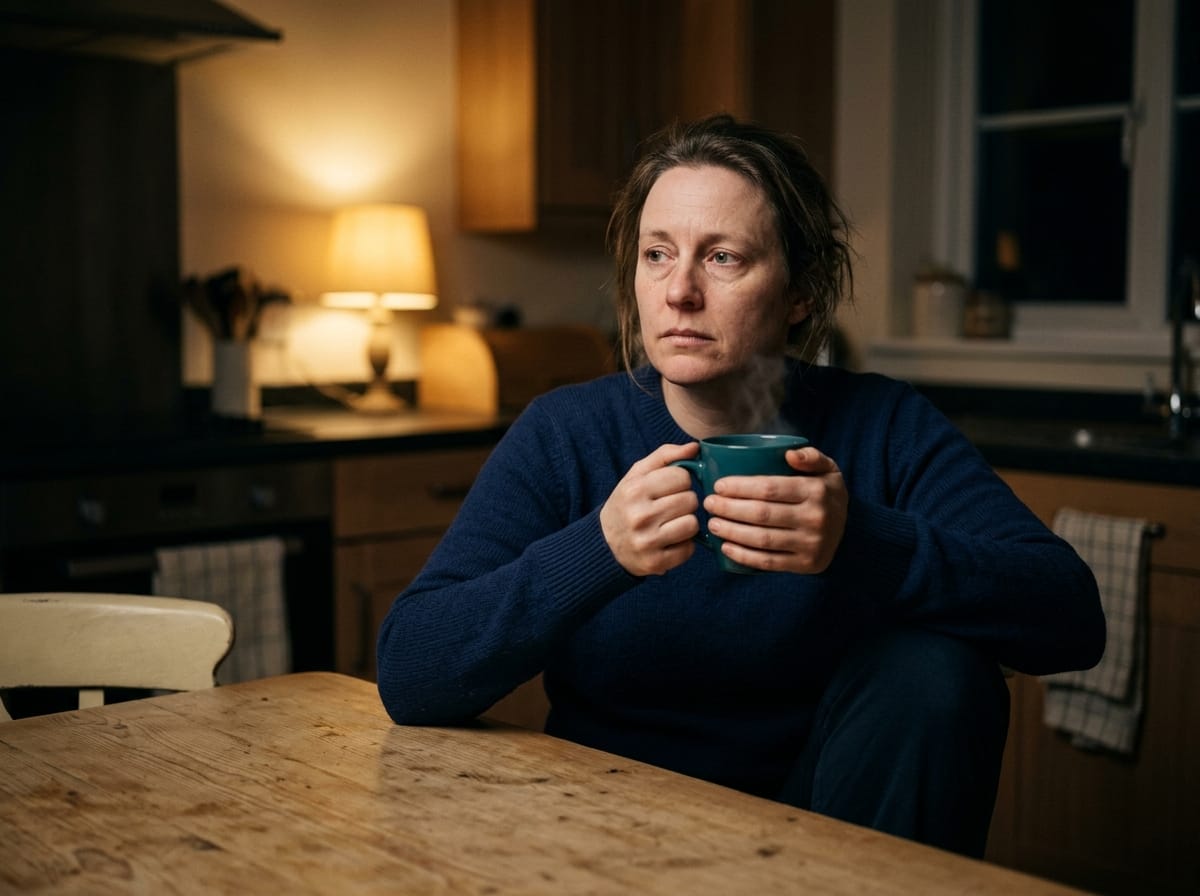
A mother did the maths eighteen months after her son’s diagnosis and found she had spent almost eleven thousand dollars on things no one had warned her about — specialist car seats, mileage to appointments ninety minutes away, a co-pay here and a co-pay there that never seemed large individually. Her son’s shunt was covered by insurance. Almost nothing around it was.
She applied for disability support the first time with nothing but a diagnosis letter and a paragraph about how proud she was of how well he was coping. It was refused. She did not understand, at first, that coping well on paper is exactly what gets these applications turned down.
The Costs Nobody Warns You About
The obvious costs are medical. The ones that actually break budgets usually are not.
Repeated travel to a specialist centre. Parking at hospitals. Lost income when one parent reduces hours. Extra laundry and heating during recovery. Replacement clothing after growth spurts that follow steroid treatment. Childcare for siblings during admissions.
None of these appear on a treatment plan, yet together they often exceed the direct medical costs — particularly for families travelling to a regional neurosurgical centre.
The Four Types of Support Available
- Disability benefits — regular payments based on the level of care and supervision a child needs beyond that of a same-age child.
- Health cost support — help with prescriptions, hospital travel, and sometimes accommodation for parents staying near a hospital.
- Charity grants — one-off payments for specific items such as equipment, a washing machine, or travel costs. Often the fastest route.
- Workplace rights — carer leave, flexible working requests, and protection from discrimination as the parent of a disabled child.
How Assessments Actually Work
Most disability benefit assessments do not measure the diagnosis. They measure care needs compared with a child of the same age.
This catches many families out. A parent describes hydrocephalus in detail and scores poorly, because the form wanted to know how many times a night they get up, how much longer dressing takes, and how much supervision is needed outdoors.
Therefore, write in terms of time and frequency. “Needs help dressing” is weak. “Takes 25 minutes to dress with full assistance, compared with 5 minutes for his twin” is evidence.


Keep a Care Diary — It Is the Strongest Evidence
For two weeks, write down every instance of care beyond what a same-age child needs.
- Night waking — how often, how long, what for
- Extra time for dressing, eating, toileting, bathing
- Supervision needed outdoors or on stairs
- Medication administration and monitoring
- Appointments attended, including travel time
- School absences and the care they required
If You Are Refused
Her refusal letter arrived nine weeks later, and it is a near-perfect example of what this section is about.
A refusal is not the end, and it is frequently reversed.
Request the full written reasons for the decision. Read what evidence they used and what they say was missing. Very often the gap is documentary rather than factual — no letter from the neurosurgeon, no care diary, no school statement.
Ask your consultant’s secretary for a supporting letter that describes functional impact rather than diagnosis. A letter saying “requires supervision at all times due to seizure risk” carries far more weight than one confirming the diagnosis.

What This Means for Your Family
Start a folder today, even if you are not applying for anything yet. Appointment letters, discharge summaries, a care diary, and receipts for travel. Applications are far easier when the evidence already exists.
Ask the hospital social worker or family liaison team what is available locally. They know the regional charities that never appear in search results.
This is administrative work at a time when you have least capacity for it. Do it in small pieces, and accept help with the paperwork if it is offered.
Frequently Asked Questions
What financial help is available for a child with a disability?
Support generally falls into disability benefits, help with health and travel costs, one-off charity grants for equipment or essentials, and workplace rights such as carer leave. Schemes vary by country, and almost all require an application rather than being awarded automatically.
How do disability benefit assessments decide eligibility?
Most assess the care and supervision a child needs compared with a child of the same age, rather than the diagnosis itself. Describing tasks in terms of time, frequency and level of help gives far stronger evidence than describing the medical condition.
What should I include in a care diary?
Record night waking, extra time needed for dressing, eating and toileting, supervision required outdoors, medication administration, appointments including travel time, and school absences. Two weeks of dated detail is usually enough to support an application.
What should I do if my application is refused?
Request the written reasons, identify what evidence was missing, and appeal. Many refusals are overturned. A supporting letter from your consultant describing functional impact rather than diagnosis is often the most useful addition.
Are there grants for hospital travel costs?
Many health systems and charities offer help with hospital travel and sometimes parent accommodation near a treating hospital. Ask the hospital social worker or family liaison team, as local schemes are often not publicised online.
She reapplied four months later with six weeks of a care diary behind her — every bad night, every missed half-day of school, every moment of what her son actually could not do without help, written down in plain, unflattering detail. It was approved on the second attempt. She still keeps the diary going, months later, mostly out of habit, and partly because she now knows the paperwork will come around again.
If your own application gets refused, that is not usually the end of the story. It is often just evidence that the first form did not ask the right questions.
Related Reading
- Caregiver Burnout: Recognising and Managing Stress
- Hydrocephalus and School: Getting the Right Support
- Caregiver Guilt: A Parent’s Guide
Bibliography
- Hydrocephalus Association. Support and resources for families. Available at: hydroassoc.org
- Epilepsy Foundation. Support services and local chapters. Available at: epilepsy.com
- Epilepsy Foundation of Minnesota. Caregivers and mental health. Available at: epilepsyfoundationmn.org