Quick answer: Caregiver relationship strain is one of the most common effects of a child’s serious diagnosis. Common patterns include one parent becoming the medical expert while the other handles everything else, grieving at different speeds, and losing all conversation that is not logistics. These patterns are recognisable and largely fixable.
Key Takeaways
- Strain is the norm, not a sign your relationship is failing.
- Partners frequently grieve at different speeds and in different ways.
- The “medical parent / everything else parent” split breeds resentment both ways.
- Losing non-logistical conversation is the most damaging pattern.
- Couples who name the pattern out loud generally recover from it.
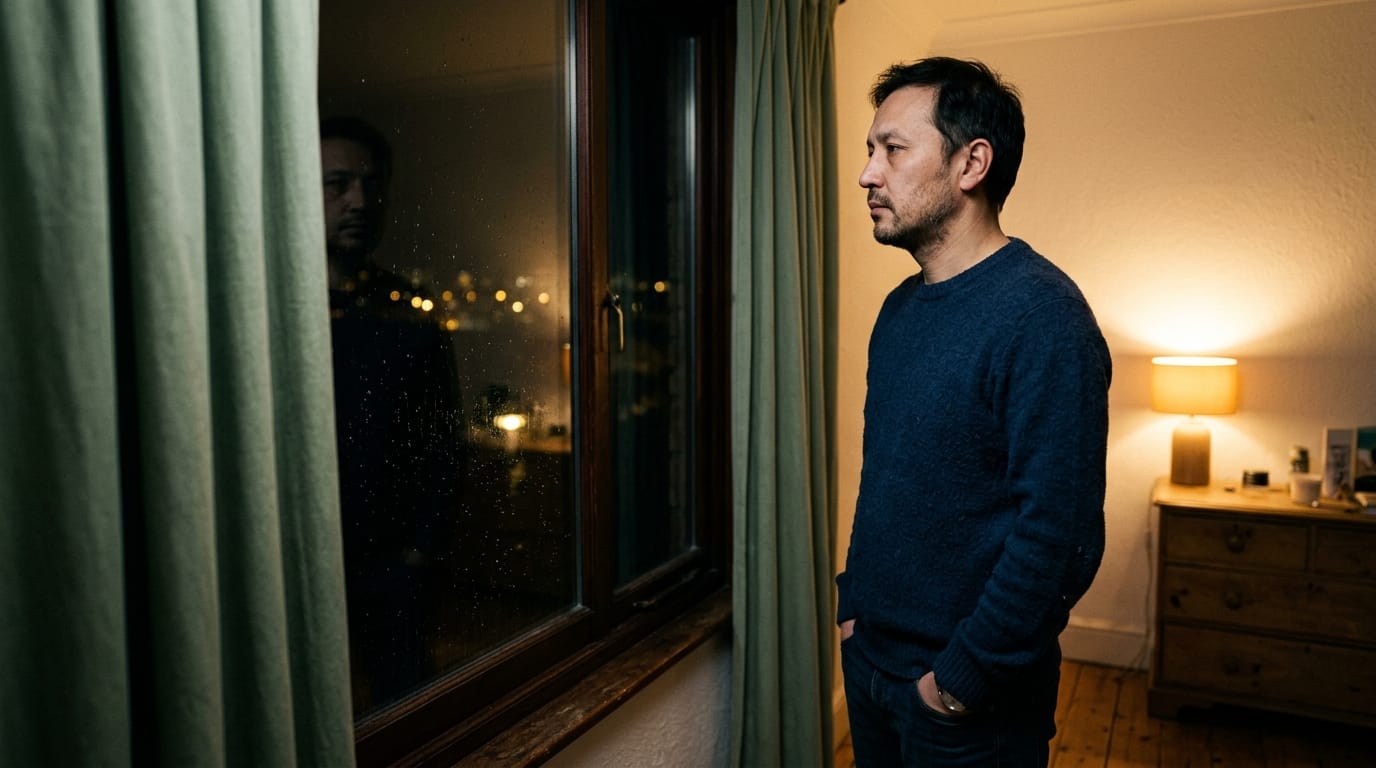
A woman told me the fight that nearly ended her marriage was not about money, or in-laws, or anything either of them could have predicted. It was about a Tuesday appointment neither of them could remember agreeing she would always be the one to attend.
Somewhere in the eighteen months after their son’s diagnosis, she had become the one who knew the neurologist’s first name, the one who could recite shunt settings from memory, the one the school called first. Her husband still loved their son exactly as much as she did. He had simply, gradually, stopped being asked.
Why Caregiver Relationship Strain Happens to Almost Everyone
Caregiver relationship strain builds because a serious diagnosis removes a couple’s spare capacity. Everything that previously absorbed friction — time, sleep, money, attention — disappears at once.
What remains is logistics. Appointments, medication, school calls, insurance forms. Couples find they have not had a conversation unrelated to their child’s condition in months.
Additionally, both parents are frightened, and frightened people are not at their most generous with each other. Recognising this as a predictable consequence rather than a personal failing changes how it feels.
The Patterns That Do Real Damage
Certain dynamics show up repeatedly in families managing a chronic paediatric condition.
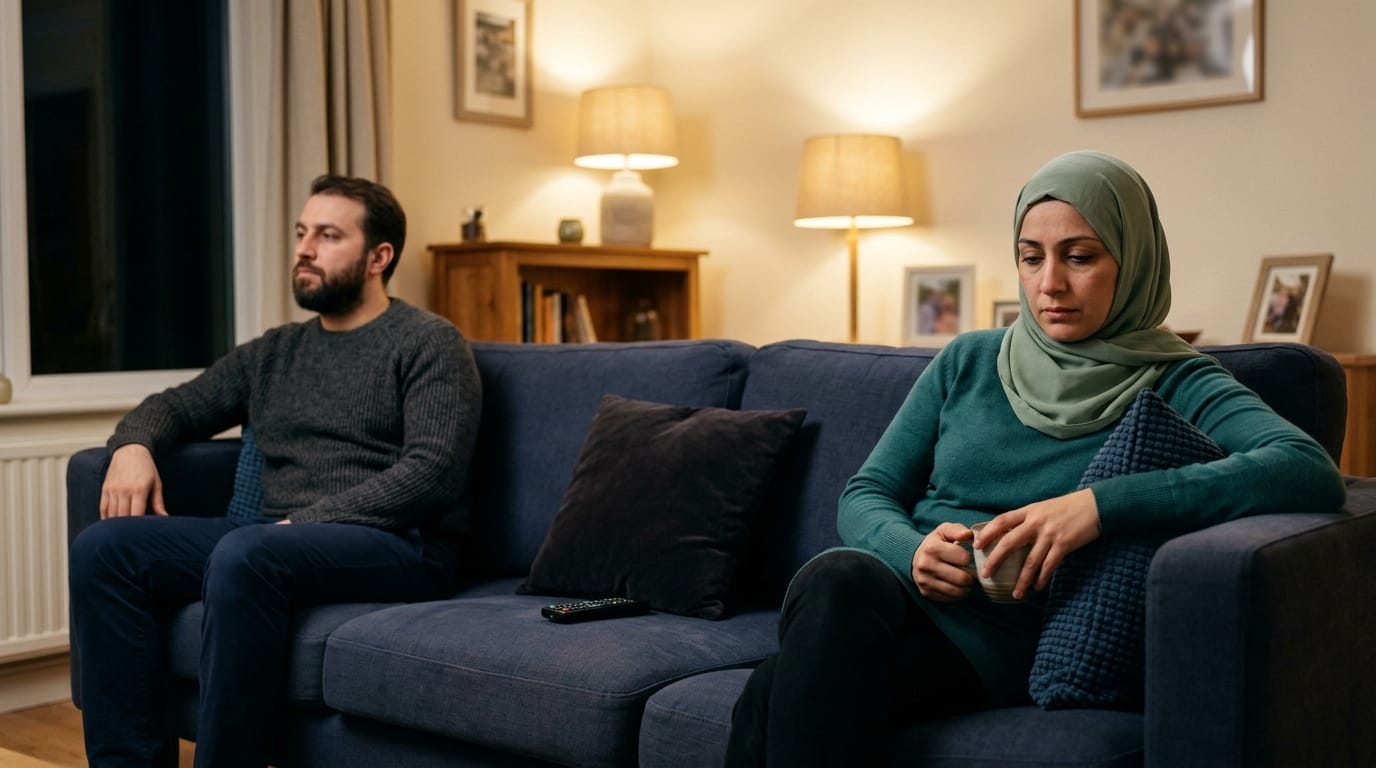
- The expert split — one parent attends every appointment and holds all medical knowledge, while the other manages siblings, work and home. Both end up feeling unseen.
- Mismatched grieving — one processes by researching, the other by not talking about it. Each reads the other’s coping style as not caring.
- Scorekeeping — silently tallying who did more nights, more appointments, more work.
- Protective silence — not sharing a fear to spare the other, so both carry it alone.
- Total logistical takeover — every exchange becomes a handover briefing.
The Expert Split Deserves Special Attention
This is precisely the pattern she and her husband fell into, without either of them choosing it on purpose.
This is the most common pattern and the most quietly corrosive.
The parent who attends appointments accumulates knowledge, relationships with the team, and confidence. The other parent gradually becomes a bystander in their own child’s care — and often feels judged for not knowing things they were never present to learn.
Meanwhile, the medical parent carries the entire cognitive load and resents being the only one who knows the medication schedule. Both positions are genuinely difficult, and each looks like privilege from the other side.
The fix is unglamorous: swap sometimes. Have the other parent attend a routine appointment. Share the folder. It rebalances more than it sounds like it would.

What Actually Helps
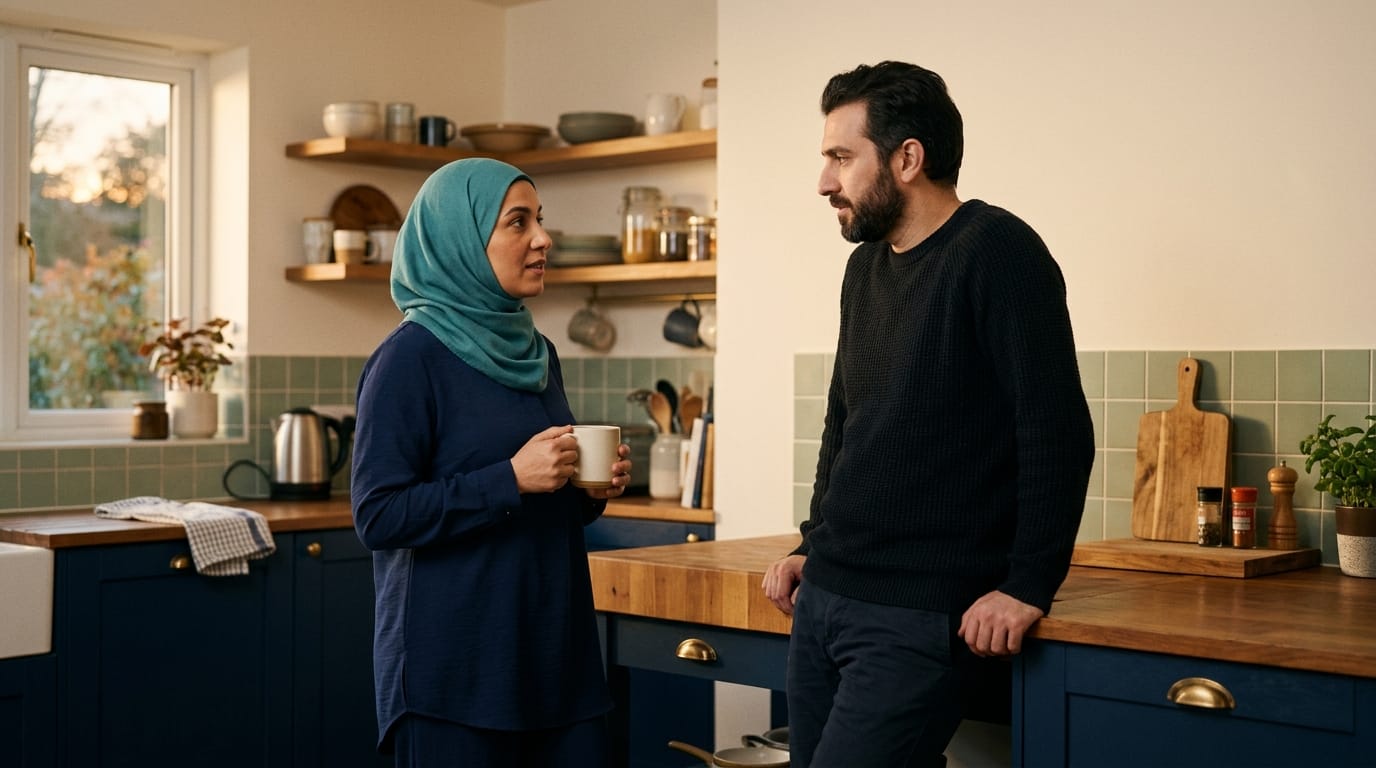
- Name the pattern aloud — “we have become a logistics company” is a useful sentence
- Protect a short window each week for conversation that is not about the condition
- Alternate appointment attendance so knowledge is shared
- Say the fear rather than protecting each other from it
- Use respite care to get time together, not only time to rest
- Accept different coping styles instead of trying to convert each other
When to Get Outside Help
If conversations have become uniformly hostile, if one partner has withdrawn entirely, or if resentment is now the default setting, external support helps more than time will.
Research on caregivers of children with epilepsy has found that structured psychoeducation reduces caregiver burden, stigma and anxiety while improving coping. Support genuinely changes outcomes rather than simply providing comfort.
Ask your child’s team what family support exists. Many paediatric neurology services have access to family therapists or psychologists, and parents rarely think to ask.

What This Means for Your Family
If you recognise several of these patterns of caregiver relationship strain, that is not a sign your relationship is unusually fragile. It is a sign you are under sustained pressure that most relationships are not built for.
Start with the smallest possible change. One weekly conversation that is not about the condition does more than an ambitious plan you will not sustain.
And if you are parenting alone, much of this still applies to your relationships with family and friends — the same drift into logistics-only contact happens there too.
Frequently Asked Questions
Is it normal for a child’s diagnosis to strain a marriage?
Yes. A serious diagnosis removes a couple’s spare time, sleep and attention at once, leaving mostly logistics. Strain is a predictable consequence of sustained pressure rather than evidence that the relationship is failing.
Why do parents cope so differently with a diagnosis?
People process fear differently. One partner may research constantly while the other avoids the subject entirely. Each style can look like indifference to the other, when both are forms of coping with the same fear.
What is the expert split in caregiving?
It describes one parent attending all appointments and holding all the medical knowledge while the other manages home, work and siblings. Both parents end up feeling unseen, and the imbalance breeds resentment in both directions.
How can couples reconnect while caring for a sick child?
Protect a short weekly conversation that is not about the condition, alternate who attends appointments, share fears rather than hiding them, and use respite care for time together rather than only for rest.
When should we seek relationship help?
If conversations are consistently hostile, one partner has withdrawn, or resentment has become the default, outside support helps more than waiting. Ask your child’s neurology team what family psychology or therapy services they can access.
They saw a family therapist for four months, mostly at her insistence and his reluctant agreement. The turning point, she says, was smaller than either of them expected: she started sending him a two-line summary after every appointment instead of a full report, and he started actually asking questions instead of nodding along. They still are not equal experts on their son’s condition. They are no longer strangers to it either.
If you recognise the expert split in your own marriage, it rarely fixes itself by one partner trying harder. It usually needs the other partner let back in.
Related Reading
- Caregiver Burnout: Recognising and Managing Stress
- Caregiver Guilt: A Parent’s Guide
- Respite Care: How Families Actually Get a Break
Bibliography
- Impact of a Psychoeducation on Caregiver Burden, Internalized Stigma, Anxiety, and Coping in Caregivers of Children With Epilepsy: A Randomized Pilot Study. 2026. Available at: PMC12068945
- Defeating Epilepsy Foundation. Impact of Epilepsy Symptoms on Caregivers and Families. Available at: defeatingepilepsy.org
- Epilepsy Foundation of Minnesota. Caregivers and Mental Health. Available at: epilepsyfoundationmn.org