
Quick answer: Sensory play activates multiple brain regions at once — touch, sound, and movement — and taps into neuroplasticity, the brain’s ability to reorganize and form new pathways, which is highest in early childhood. This makes it one of the most evidence-supported tools for supporting recovery.
Key Takeaways
- Sensory play activates touch, sound, and movement pathways at once and taps into neuroplasticity, highest in early childhood
- Designed for children aged 1 to 4 recovering from brain surgery, hydrocephalus, epilepsy, or developmental regression
- Shorter, more frequent sessions (two 8-minute sessions) work as well as one longer session if a child tires easily
- Everyday moments — bath time, texture play, music and movement — count as meaningful sensory practice
Sensory Play Exercises for Toddlers Recovering from Brain Surgery or Neurological Illness
What Sensory Play Does for the Brain
The brain learns through the body. Every time a toddler runs their fingers through sand, squeezes a piece of soft dough, or listens to music and moves to it, millions of neural connections are being activated, tested, and strengthened.For children recovering from neurological illness or brain surgery, this matters in specific ways. The brain’s ability to reorganise and form new pathways — called neuroplasticity — is highest in the first years of life. Sensory stimulation is one of the most evidence-supported ways to activate this reorganisation.Sensory input activates multiple brain regions simultaneously: the sensory cortex processes touch, the auditory cortex processes sound, the motor cortex is engaged when the child moves in response. Research on brain-derived neurotrophic factor (BDNF) — a protein that supports the growth and maintenance of neurons — has shown that physical and sensory activity promotes BDNF production. In plain terms: stimulating the senses supports the brain’s own repair systems.For toddlers aged 1-4, whose brains are already in the most plastic and receptive period of development, sensory play is not supplementary. It is fundamental.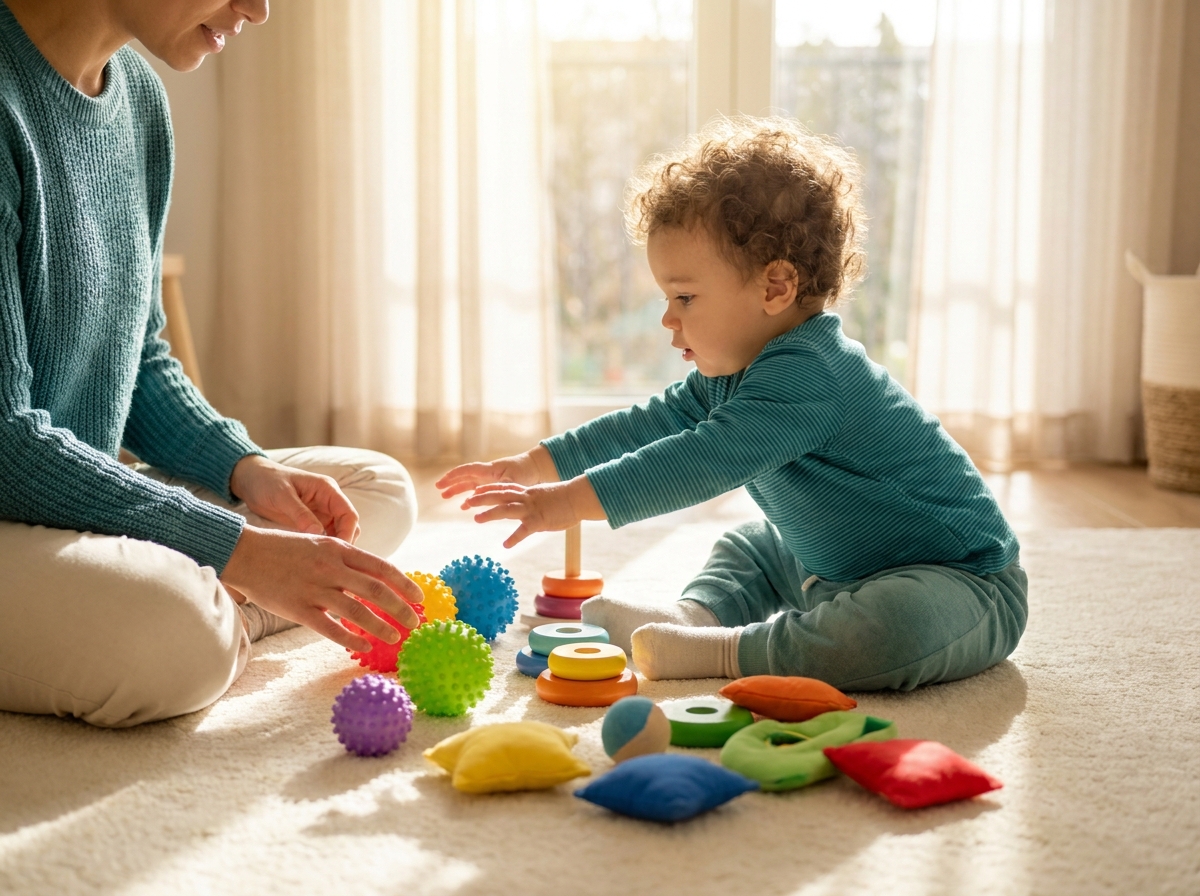
Who This Exercise Programme Is For
These exercises are designed for:- Children aged 1 to 4 years
- Children recovering from brain surgery, including VP shunt insertion
- Children with hydrocephalus, epilepsy, or other neurological conditions
- Children who have experienced developmental delays or regression after illness
How to Do It — Step by Step
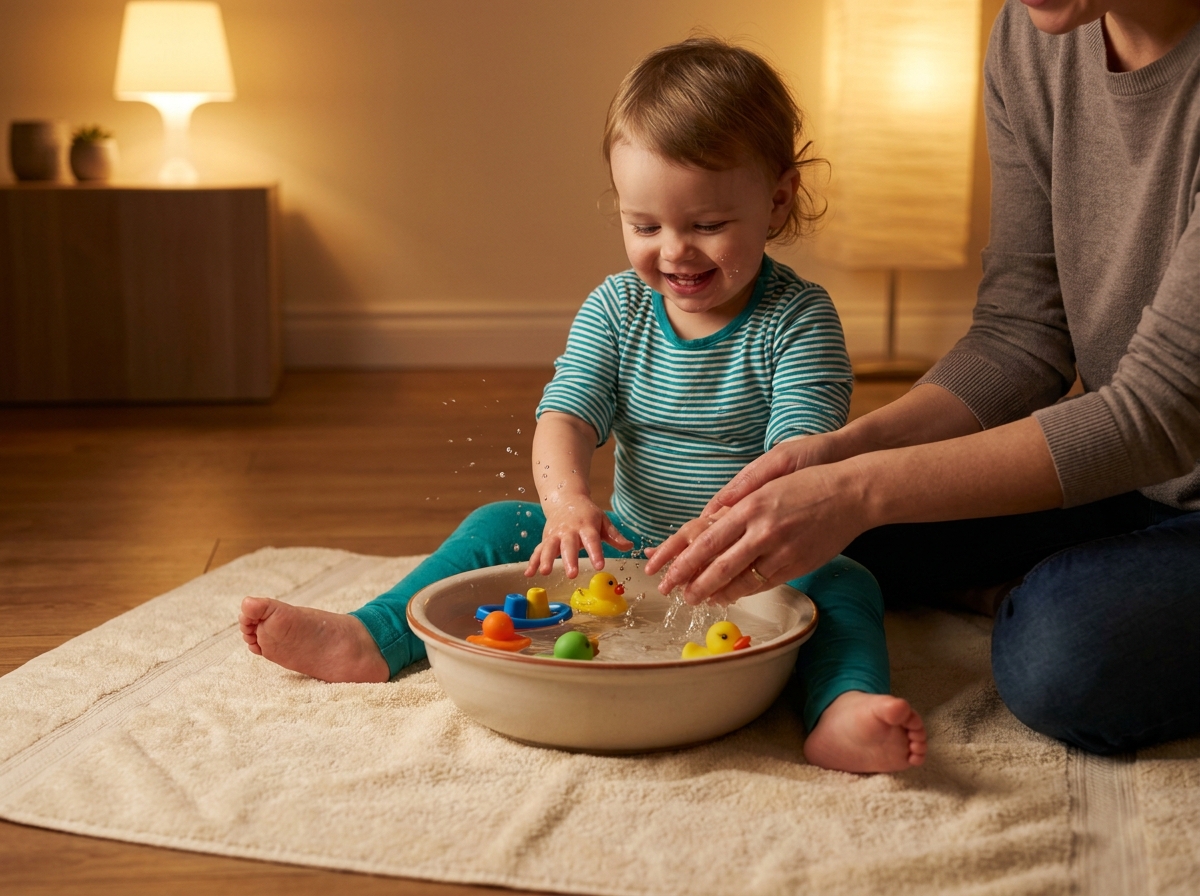
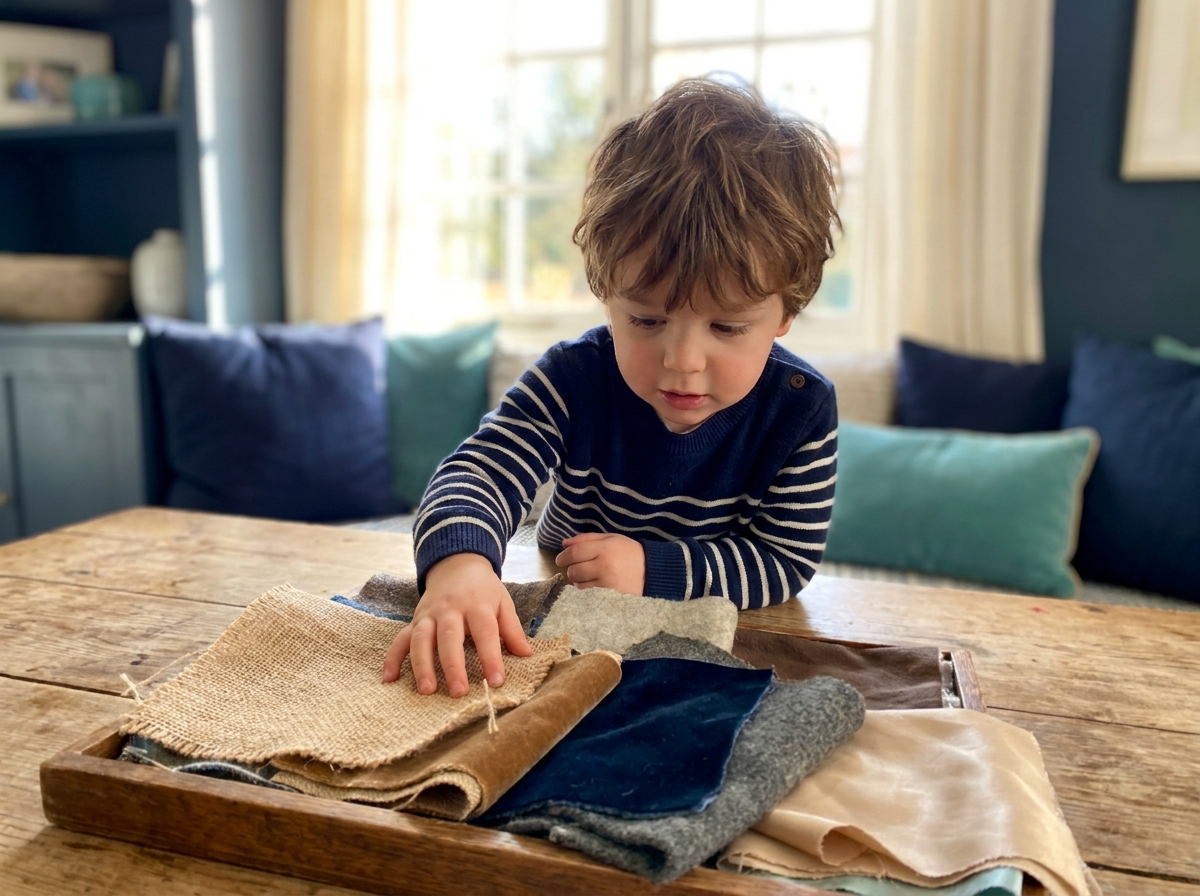
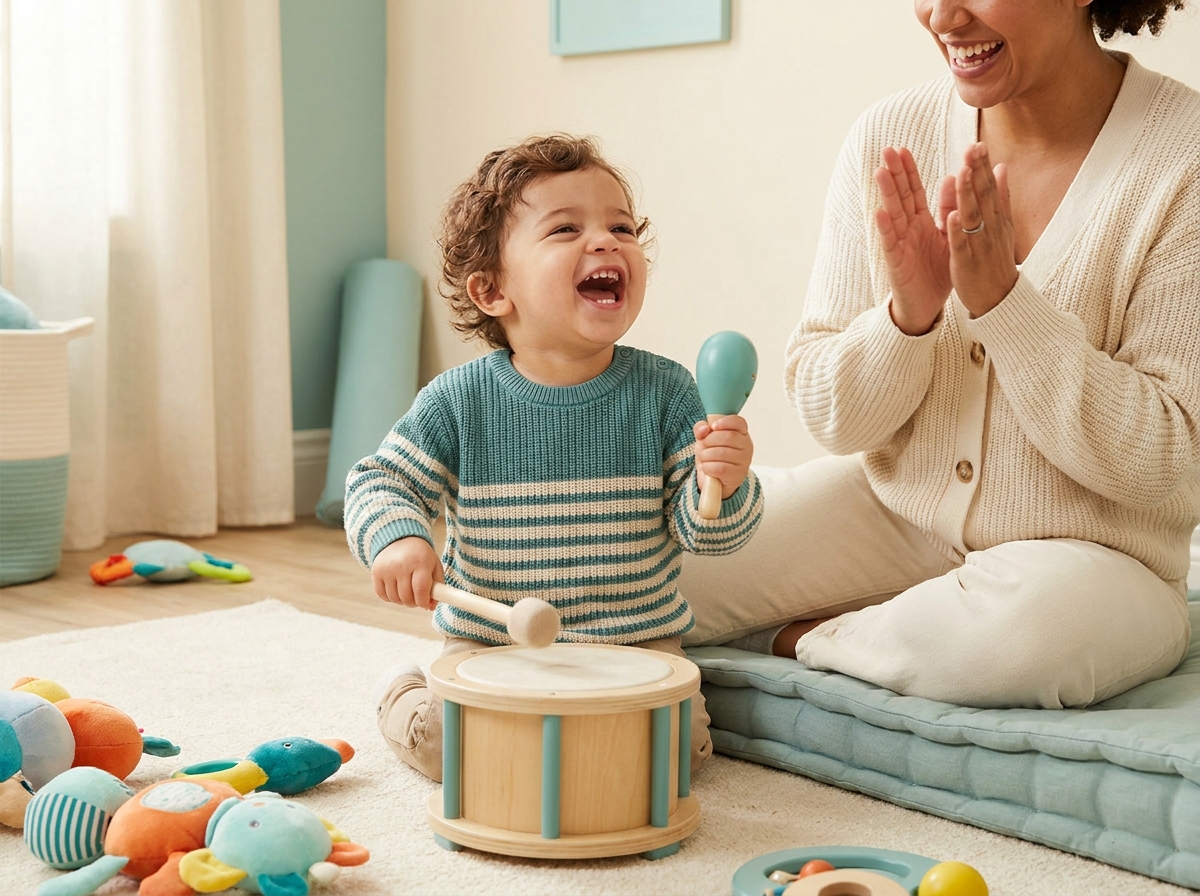
These six sensory activities require no special equipment — only materials found in a typical home.Activity 1 — Texture Exploration Tray 1. Gather four to six small items of different textures: a piece of velvet fabric, a smooth stone, a rough sponge, a soft feather, dry pasta, and a wooden block. 2. Lay them out on a flat tray or clean surface at floor level. 3. Sit beside your child and gently guide their hand to touch each item. 4. Name each texture out loud: “rough,” “smooth,” “soft,” “hard.” 5. Watch and respond to their reactions — move their hand away from anything that seems to distress them. 6. Repeat for 5 to 10 minutes. Let the child lead where possible.Activity 2 — Water Play 1. Fill a small bowl or shallow container with a few centimetres of lukewarm water. 2. Place it on a waterproof surface with your child seated safely beside it. 3. Add one or two safe floating objects — a small plastic cup, a rubber duck. 4. Let your child splash, pour, and explore freely. 5. Narrate what they are doing: “You’re splashing! The water is moving.” 6. This can be done daily for 10 to 15 minutes.Activity 3 — Sand or Rice Sensory Bin 1. Fill a deep tray or container with dry rice, dried lentils, or play sand. 2. Bury two or three small toys or objects just beneath the surface. 3. Guide your child to dig with their hands and find the hidden objects. 4. If your child has weakness on one side, encourage them to use both hands together — place the tray where both arms can reach. 5. This builds tactile processing, fine motor skill, and gentle hand strengthening.Activity 4 — Musical Movement 1. Choose 10 to 15 minutes of music your child enjoys — this can be nursery rhymes, children’s songs, or any upbeat music that makes them respond. 2. Hold your child gently and move with the rhythm — sway, bounce lightly, clap their hands together to the beat. 3. If they can stand or move independently, encourage them to try. 4. Musical rhythm engages the motor cortex and auditory system simultaneously. 5. Do this once daily.Activity 5 — Messy Play with Soft Dough 1. Make a simple salt dough (flour, salt, water) or use any child-safe soft dough. 2. Let your child press, poke, roll, and squeeze freely. 3. Offer simple guided actions: “Can you make a ball?” “Can you press it flat?” 4. This builds hand strength, tactile processing, and cause-and-effect understanding.Activity 6 — Mirror and Face Play 1. Sit your child in front of a child-safe mirror. 2. Make expressions together — big smiles, surprised faces, silly faces. 3. Name the expressions: “Happy! Surprised! Silly!” 4. Touch your child’s face gently, then their reflection. 5. Mirror play engages visual processing, social cognition, and the early development of self-recognition.How to Progress Over Time
If your child tires easily, shorter and more frequent sessions (two sessions of 8 minutes rather than one of 15) are equally effective.A Note for Families Navigating Neurological Recovery
My son’s physiotherapy team told us something I want to pass on: the exercises they could do in a clinic once a week were important, but what happened in the other 167 hours of the week mattered just as much.You are not a physio. You do not need to be. What you are is the person who is with your child every day — the person who can offer a hand in the texture tray while watching cartoons, who can turn bath time into sensory exploration, who can make music and movement part of a Tuesday afternoon.Children recovering from neurological illness often make their most significant gains not in clinical settings but at home, in the ordinary flow of daily life, with a parent who is paying attention.You are already doing the most important thing.The Research Behind This
A 2021 meta-analysis by Sobana et al. in Child’s Nervous System found that early and active rehabilitation following VP shunt placement significantly improved neurodevelopmental outcomes in children — reinforcing the importance of structured engagement in the months after surgery. Research on sensory stimulation and BDNF production (Neeper et al. and Cotman and Berchtold, widely cited in paediatric rehabilitation literature) consistently shows that physical and sensory activity promotes neuronal growth and connectivity, particularly during the high-plasticity period of early childhood. The ELVS randomised trial data (de Vries et al., 2019) similarly highlighted that early intervention in infants with ventricular pathology improves long-term cognitive outcomes.This article is written for informational purposes only and does not constitute medical advice. Always consult your neurologist, pediatrician, or qualified healthcare provider for diagnosis and treatment decisions specific to your situation. Read our full medical disclaimer at braincarepath.com/disclaimer/
- Sobana M, Halim D, Aviani JK, Gamayani U, Achmad TH. Neurodevelopmental outcomes after ventriculoperitoneal shunt placement in children with non-infectious hydrocephalus: a meta-analysis. Childs Nerv Syst. 2021;37(4):1055-1065. Available at: https://pubmed.ncbi.nlm.nih.gov/33479825/
- de Vries LS, Groenendaal F, Liem KD, et al. Treatment thresholds for intervention in posthaemorrhagic ventricular dilation: a randomised controlled trial. Arch Dis Child Fetal Neonatal Ed. 2019;104(1):F70-F75. Available at: https://pubmed.ncbi.nlm.nih.gov/29440132/
- Sanderfer VC, Arnold MR, Mulvaney GG, et al. Outcomes of laparoscopic and open ventriculoperitoneal shunt placement. Am J Surg. 2024;227:123-126. Available at: https://pubmed.ncbi.nlm.nih.gov/37827869/

Frequently Asked Questions About Sensory Play Exercises for Toddlers
How does sensory play help toddlers recovering from brain surgery or neurological illness?
Sensory play activates multiple brain regions at once — touch, sound, and movement — and taps into neuroplasticity, the brain’s ability to reorganize and form new pathways, which is highest in early childhood. This makes it one of the most evidence-supported tools for supporting recovery.
Who is this sensory exercise programme designed for?
It’s designed for children aged 1 to 4 recovering from brain surgery, including VP shunt insertion, as well as children with hydrocephalus, epilepsy, or other neurological conditions, and those who have experienced developmental delays or regression after illness.
Do sessions need to be done all at once, and does everyday family time count?
No — if your child tires easily, two shorter 8-minute sessions work as well as one 15-minute session. Everyday moments like bath time, texture play, or moving to music count too; consistent daily contact with a parent matters as much as formal therapy sessions.