
Quick answer: Hydrocephalus and epilepsy are separate conditions, but excess cerebrospinal fluid and the pressure it causes can disrupt the brain’s delicate electrical environment, which is why seizures develop in some children with hydrocephalus.
Key Takeaways
- Hydrocephalus and epilepsy are separate but frequently connected conditions, linked through pressure changes in the brain
- Shunt failure can increase seizure frequency or severity, so a changing seizure pattern is worth checking with a neurosurgeon
- Dual-diagnosis families need a neurologist and neurosurgeon who coordinate care and communicate with each other
- Levetiracetam (Keppra, Lerace) is one of the most commonly prescribed first-line seizure medications for these children

Hydrocephalus and Seizures — Understanding Why They Happen and How Families Manage Both

The first seizure happened three weeks after my son’s shunt surgery. I was in the room. He was lying on the bed and suddenly something changed — a stiffness, a tremor, his eyes rolling. It lasted less than a minute. It felt like an hour.
We were back in hospital that same night. By the next morning, there was a second diagnosis to learn: epilepsy, secondary to the hydrocephalus. Two conditions. Two medications to understand. Two separate sets of warning signs to memorise.
If this is where you are — managing both — this article is for you.

The Connection Between Hydrocephalus and Seizures
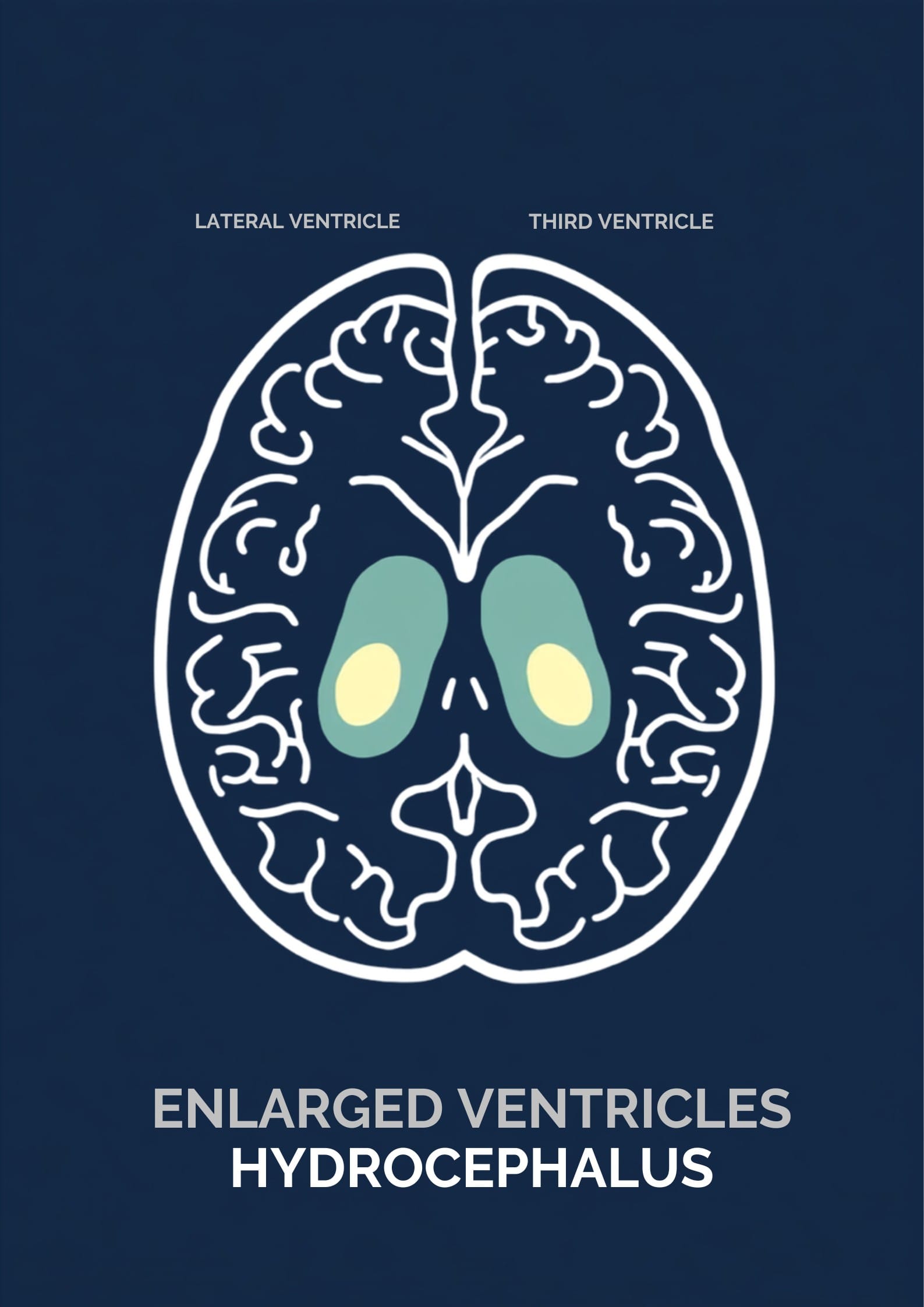
Hydrocephalus and epilepsy are not the same condition, but they are frequently connected. Understanding why helps.
The brain’s neurons — its electrical cells — function within a delicate chemical and pressure environment. When that environment is disrupted — by excess cerebrospinal fluid, by the damage that pressure can cause to brain tissue, by surgery, or by the underlying condition that caused the hydrocephalus in the first place — the electrical firing patterns of neurons can become abnormal. This abnormal firing is what a seizure is.
In children with hydrocephalus, seizures can arise from several sources: the elevated intracranial pressure itself, structural changes to brain tissue caused by prolonged pressure, surgical intervention (the brain is an organ that does not experience surgery without some adjustment), orThe original cause of the hydrocephalus — such as an infection, a bleed, or a congenital structural difference.
Studies suggest that between 15% and 30% of children with hydrocephalus will experience seizures at some point. In children whose hydrocephalus was caused by meningitis, intraventricular haemorrhage, or significant brain malformations, the rates are higher.
This is not a small percentage. It is not unusual. It is something neurosurgical and neurology teams are experienced in managing together.
What a Dual Diagnosis Means in Practice
When a child receives both diagnoses — hydrocephalus and epilepsy — the family enters a new kind of management complexity. The conditions interact in ways that are important to understand.
Shunt function affects seizure risk. When a shunt begins to fail and pressure rises, seizures can increase in frequency or intensity. A change in your child’s seizure pattern — more frequent, longer, more severe — should always trigger an assessment of shunt function, not only epilepsy management.
Seizures can look like shunt malfunction, and vice versa. Both can cause drowsiness, vomiting, and reduced responsiveness. Distinguishing between them matters because the responses are different. Your neurology and neurosurgical teams need to communicate with each other — make sure they do.
Levetiracetam — What It Is and What Families Actually Experience
My son was prescribed Lerace Syrup — the liquid formulation of levetiracetam — after his first seizures. We learned to measure it precisely. Levetiracetam (Keppra, Lerace) is one of the most commonly prescribed first-line AEDs in paediatric neurology.Behavioural changes are the most commonly reported concern.Sleep disruption and Fatigue are also reported.

What This Means for Your Family
Navigating a dual diagnosis is hard. Finding a neurologist and neurosurgeon who speak to each other is key.

Not all seizures look the same, and knowing which type your child has matters for treatment decisions and for what to watch for at home. Children with hydrocephalus are most commonly reported to experience focal onset seizures — seizures that begin in one specific area of the brain rather than involving both hemispheres simultaneously. This reflects the fact that hydrocephalus often causes focal pressure and structural changes rather than diffuse injury. Focal seizures can manifest in many ways depending on which part of the brain is affected: rhythmic jerking in one arm or leg, a fixed stare with lip-smacking or hand-rubbing, sudden brief confusion, or a feeling of déjà vu in older children who can describe it. They may spread to involve the whole brain — what is called a focal to bilateral tonic-clonic seizure — which is what most people picture when they think of a seizure. Some children with hydrocephalus, particularly those whose condition followed intraventricular haemorrhage in prematurity, develop infantile spasms — a severe and distinct seizure type that requires urgent recognition and specific treatment. If you notice sudden clustered jerks in an infant, particularly in the morning, seek emergency assessment immediately. An electroencephalogram (EEG) is the primary tool for characterising seizure activity in the brain. A standard clinic EEG captures about 30 minutes of brain electrical activity. When seizures are suspected but not confirmed, or when the seizure type is unclear, a prolonged ambulatory EEG (worn at home for 24–72 hours) or a video-EEG study (where the child is monitored continuously in a hospital setting) provides more diagnostic information. For children with both hydrocephalus and seizures, there is an additional complexity: a routine EEG cannot tell you whether unusual brain activity represents true seizure activity or an artefact of the structural changes caused by hydrocephalus. This is why EEG results should always be interpreted by a paediatric neurologist with access to your child’s MRI findings — the two pieces of evidence need to be read together. A normal interictal EEG (an EEG recorded between seizures) does not rule out epilepsy. Many children with confirmed epilepsy have normal EEGs between episodes. Do not be reassured or alarmed by a single EEG result in isolation — your neurologist’s clinical judgement, informed by the EEG plus the seizure history plus the imaging, is what matters. Every child with epilepsy and hydrocephalus needs a written seizure action plan. This is not bureaucratic box-ticking — it is a document that enables the people around your child to act correctly in an emergency without having to make decisions under acute stress. A complete seizure action plan specifies: the child’s name and diagnosis, their known seizure types and what they look like, how long a seizure can be allowed to continue before rescue medication is given, what the rescue medication is (usually buccal midazolam or rectal diazepam in the UK; intranasal midazolam in many other countries), where the medication is stored and who is trained to give it, and when to call an ambulance. For children with both hydrocephalus and epilepsy, the plan should also note: that prolonged seizure or unusual cluster may indicate shunt malfunction, and that the child should be assessed by neurosurgery if seizures are a significant change from their baseline pattern. Seizures that are new or markedly different from previous ones warrant shunt assessment, not just seizure management. Ask your epilepsy nurse or neurologist to help you create and update this document. Schools and nurseries are legally required to follow it once it is in place.Seizure Types Most Common in Hydrocephalus
The Role of EEG Monitoring
Building a Seizure Action Plan
References
This article is written for informational purposes only and does not constitute medical advice. Always consult your neurologist, pediatrician, or qualified healthcare provider for diagnosis and treatment decisions specific to your situation.






Frequently Asked Questions About Hydrocephalus and Seizures in Children
Why are hydrocephalus and epilepsy often connected?
Hydrocephalus and epilepsy are separate conditions, but excess cerebrospinal fluid and the pressure it causes can disrupt the brain’s delicate electrical environment, which is why seizures develop in some children with hydrocephalus.
Can shunt failure affect seizure activity?
Yes. When a shunt begins to fail and pressure rises, seizures can become more frequent or more severe. A noticeable change in a child’s seizure pattern is worth having checked, since it can signal shunt problems.
What does managing both hydrocephalus and epilepsy involve for families?
Managing a dual diagnosis means coordinating care between a neurologist and neurosurgeon who communicate with each other, tracking two sets of warning signs, and understanding how each condition can influence the other.