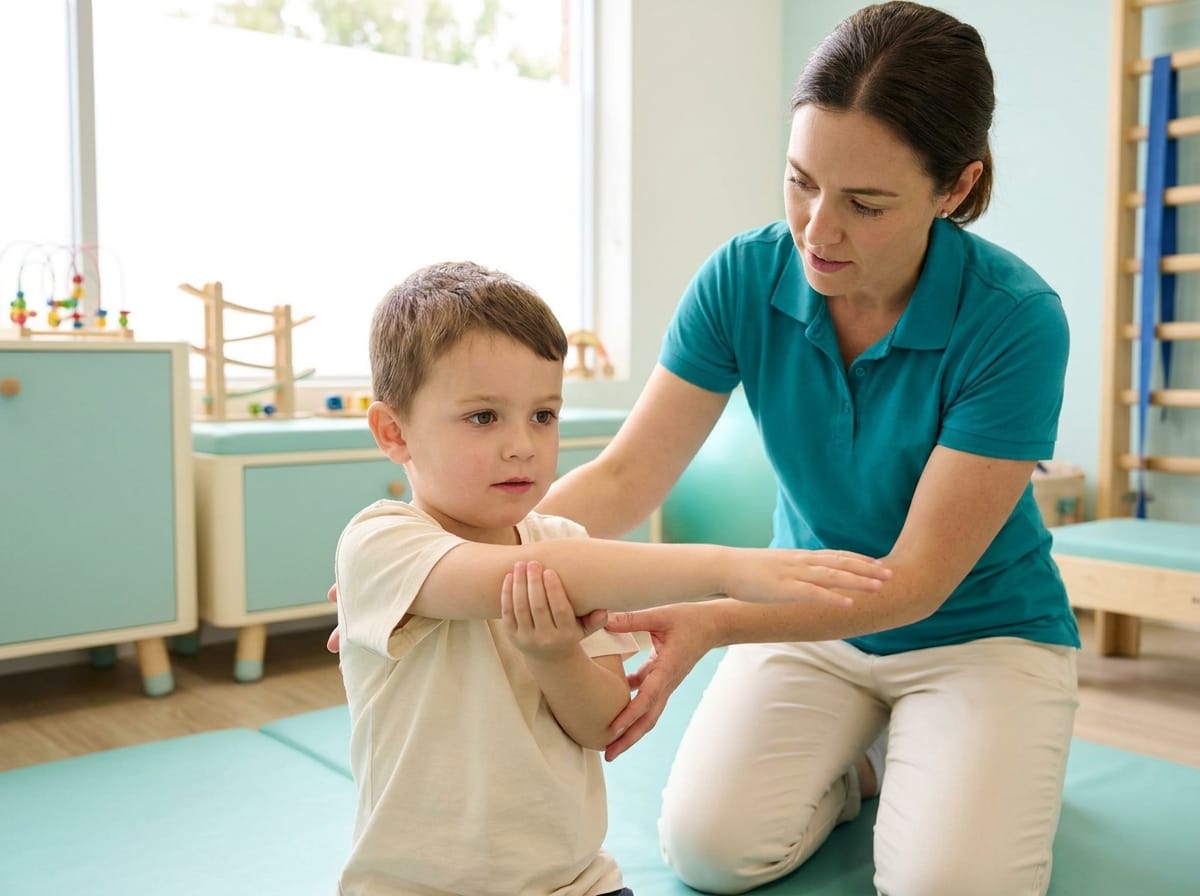
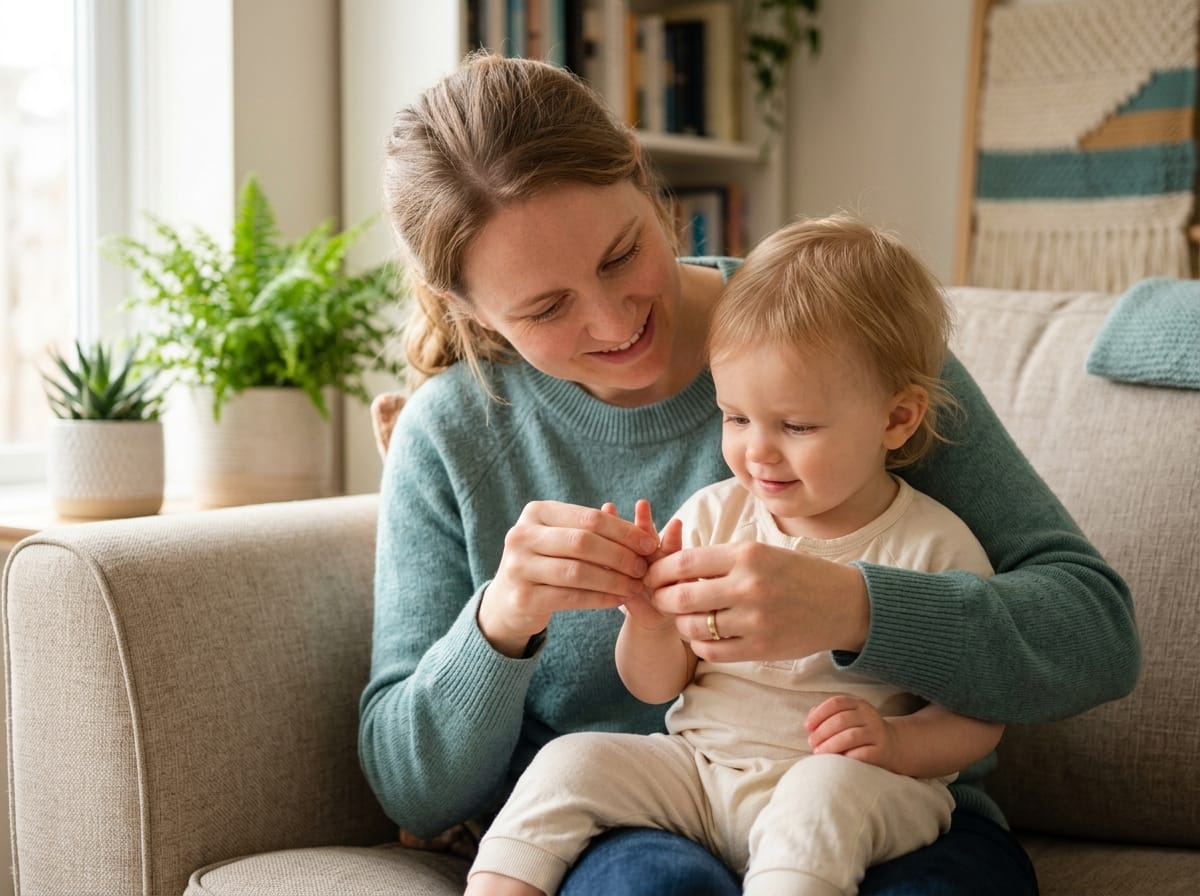
Quick answer: Fine motor exercises strengthen the small hand and finger muscles used for grasping, pinching and writing. Effective activities include threading beads, playdough, tweezers, and buttoning. Short frequent sessions of 10 to 15 minutes work far better than occasional long ones.
Hand and Fine Motor Exercises: Proven Recovery for Children After Brain Illness
Key Takeaways
- Fine motor skills and hand function are among the most commonly affected areas after childhood brain infection, hydrocephalus, and neurological illness — especially when one side of the body is more affected than the other
- Daily targeted hand exercises for 10–15 minutes produce measurable improvement over weeks — the brain’s neuroplasticity allows new pathways to develop when old ones are damaged
- Repetition and consistency matter far more than the duration of individual sessions — brief daily practice outperforms occasional intensive sessions every time
For three months his left hand stayed closed.
A fist — not from anger, not from cold — but because the neurological signals that should have told his fingers to open were being interrupted somewhere between his brain and his hand. We stretched it every morning. We placed objects in his palm. We waited.
The occupational therapist showed us exercises. Simple ones. She said: do them every day, even for five minutes. Do not skip days. Repetition is what teaches the brain a new path.
We did them every day. Not always for long. Sometimes just a few minutes before he fell asleep. But every day.
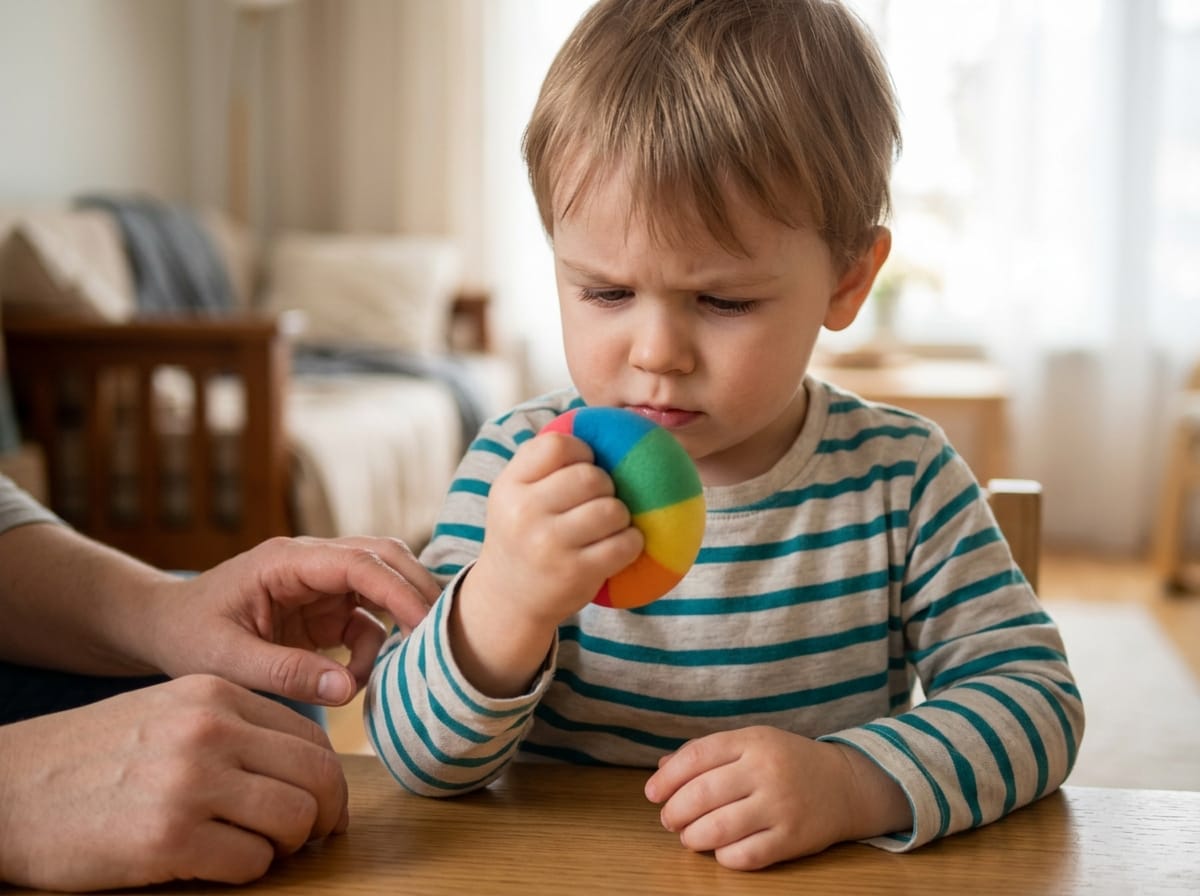
His hand opened for the first time on a Thursday. Not fully. A partial opening, fingers uncurling around a soft ball we had placed there. Small enough that someone watching might have missed it. Not us.
These are the exercises that built toward that Thursday.
Why Brain Illness Affects Hand and Fine Motor Function
The motor cortex — the brain region controlling voluntary movement — is particularly vulnerable to the effects of increased intracranial pressure and inflammation. When one hemisphere of the brain is more affected than the other, the hand and arm on the opposite side of the body show the greatest functional impact.
This is called hemiplegia or hemiparesis depending on severity. In hemiplegia, movement on one side is severely limited or absent. In hemiparesis — more common in the context of hydrocephalus and brain infection — the affected side has reduced strength, coordination, and fine motor control but retains some function.
The hand is neurologically the most complex part of the upper limb — requiring simultaneous coordination of dozens of muscles for tasks as simple as picking up a small object. This complexity means hand function is often the last to recover and the most sensitive to neurological disruption.
It also means the hand responds to targeted exercise — because neuroplasticity (the brain’s ability to form new connections) is greatest where demand is highest.
Before Starting — Important Guidance
These exercises are suitable for children who are medically stable. Always consult your child’s occupational therapist or physiotherapist before beginning — they can assess your child’s specific pattern of deficit and adjust exercises accordingly.
Begin with the exercises your child can partially perform. Starting beyond their current ability causes frustration and reduces cooperation. Starting just at the edge of their ability — challenging but achievable — drives the most neurological change.
Always work both hands, even if one is significantly less affected. Bilateral training (using both hands together) activates brain regions that support recovery on the affected side.
Keep sessions short and positive. 5–15 minutes of engaged practice is more valuable than 30 minutes of frustrated effort.
The 8 Hand and Fine Motor Exercises
Exercise 1 — Passive Range of Motion (Starting Point)
For children with very limited hand opening — start here.
What it does: Maintains joint flexibility, provides sensory input to the brain about the hand’s position, and prepares for active movement exercises.
How to do it:
- Gently hold your child’s affected hand
- Slowly and carefully straighten each finger individually, holding for 5 seconds
- Gently open the whole hand flat, hold for 10 seconds
- Slowly make a gentle fist, hold for 5 seconds
- Repeat 5 times
Never force movement against resistance. If the hand is very tight, warm it first with a warm (not hot) cloth for 5 minutes before the exercise.
Exercise 2 — Soft Ball Squeeze and Release
What it does: Begins the transition from passive to active hand movement. The squeeze is usually easier than the release — working on release builds the extensor muscle strength most affected by neurological injury.
What you need: A soft foam ball, stress ball, or small sponge.
How to do it:
- Place the ball in your child’s hand
- Ask them to squeeze it as hard as they can — hold for 3 seconds
- Ask them to open the hand and release the ball — this is the harder part
- If they cannot release voluntarily, gently assist the fingers to open
- Repeat 10 times
- Do both hands — start with the less affected hand
Progress: Move from soft foam to a slightly firmer ball. Increase squeeze duration.
Exercise 3 — Finger Isolation Tapping
What it does: Trains individual finger control — the foundation of fine motor skills like writing, fastening buttons, and holding small objects.
How to do it:
- Place your child’s hand flat on a table, palm down
- Ask them to lift only their index finger, hold for 2 seconds, lower it
- Lift only the middle finger, hold, lower
- Continue through each finger individually
- Repeat the sequence 5 times on each hand
For children who struggle with isolation (lifting one finger causes others to lift too): Gently hold the other fingers down while the target finger lifts. Over weeks, reduce how much assistance you provide.
Exercise 4 — Clothes Peg Pinching
What it does: Trains the pincer grip — the thumb-and-forefinger coordination needed for writing, feeding, and most daily tasks. One of the most functional fine motor skills to target.
What you need: Clothes pegs, a piece of cardboard or fabric edge.
How to do it:
- Show your child how to open a clothes peg using thumb and index finger
- Ask them to clip 10 pegs onto the edge of a cardboard piece
- Then remove all 10 pegs
- Do with both hands
Progress: Start with large, easy-opening pegs. Move to smaller, stiffer pegs as grip strength develops.
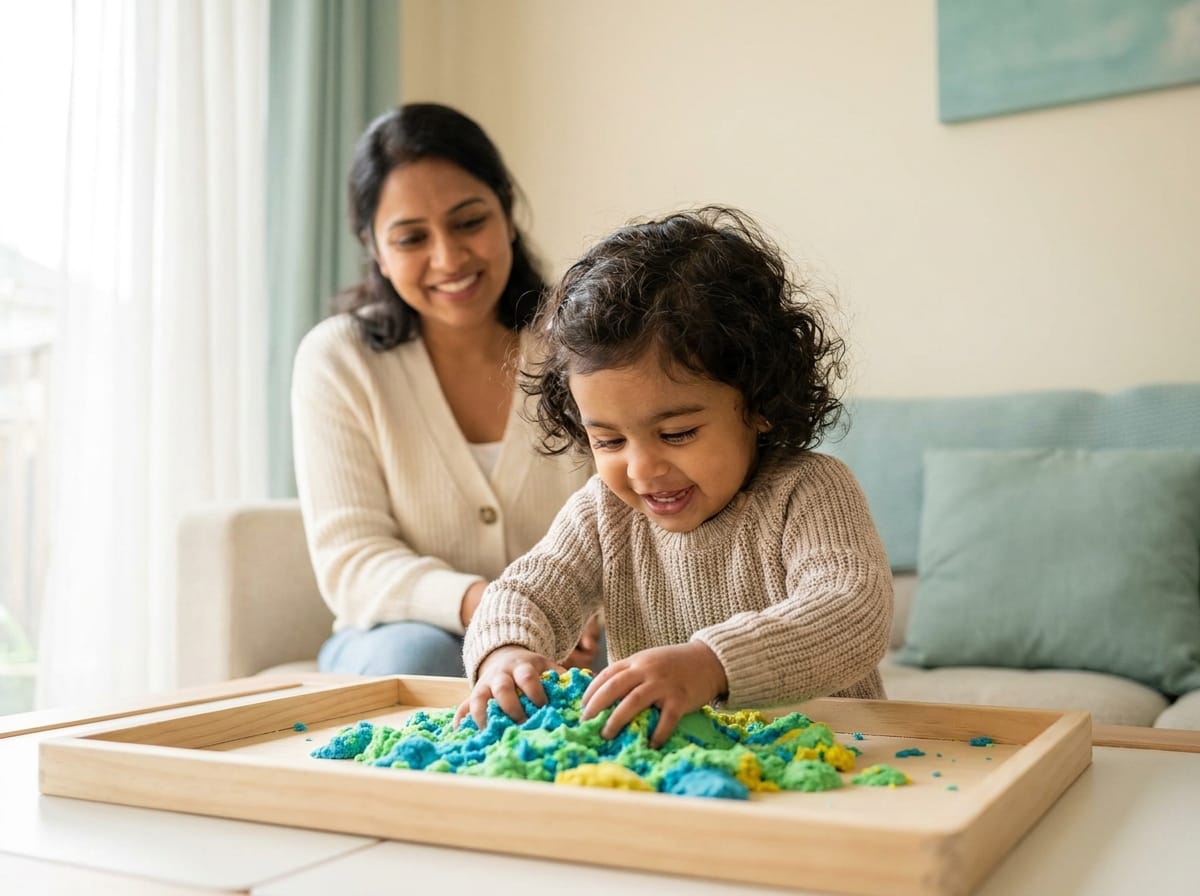
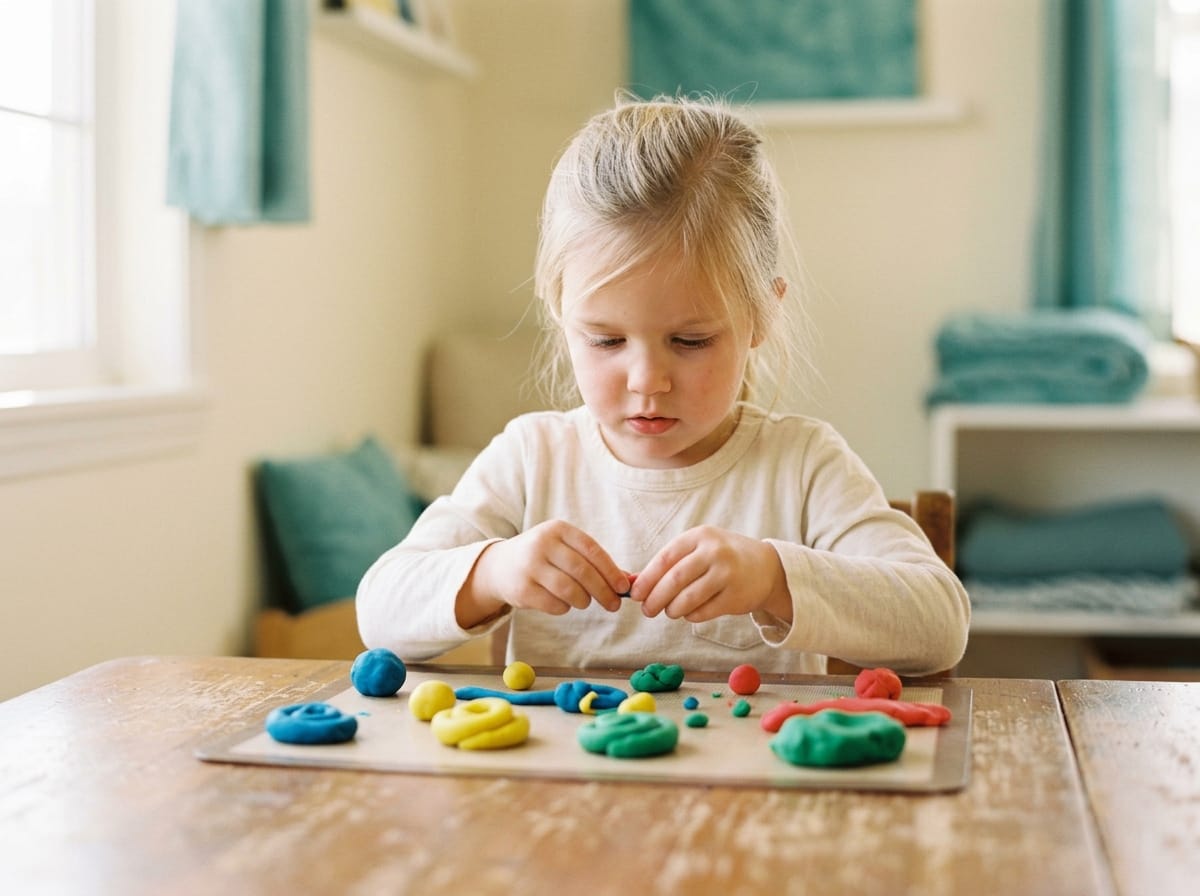
Exercise 5 — Playdough or Putty Work
What it does: Provides resistance training for all the hand muscles simultaneously — and is engaging enough that children tolerate significant repetition without realising it.
What you need: Commercial playdough or therapeutic putty (theraputty — available online in different resistance levels).
Activities:
- Roll a ball between both palms: 20 repetitions
- Flatten the ball with an open palm: 10 repetitions
- Pinch pieces off the main ball: 20 pinches with each hand
- Make a snake by rolling between palms: 5 repetitions
- Press thumb into putty and pull out: 10 repetitions
Progress: Move to firmer putty as hand strength increases.
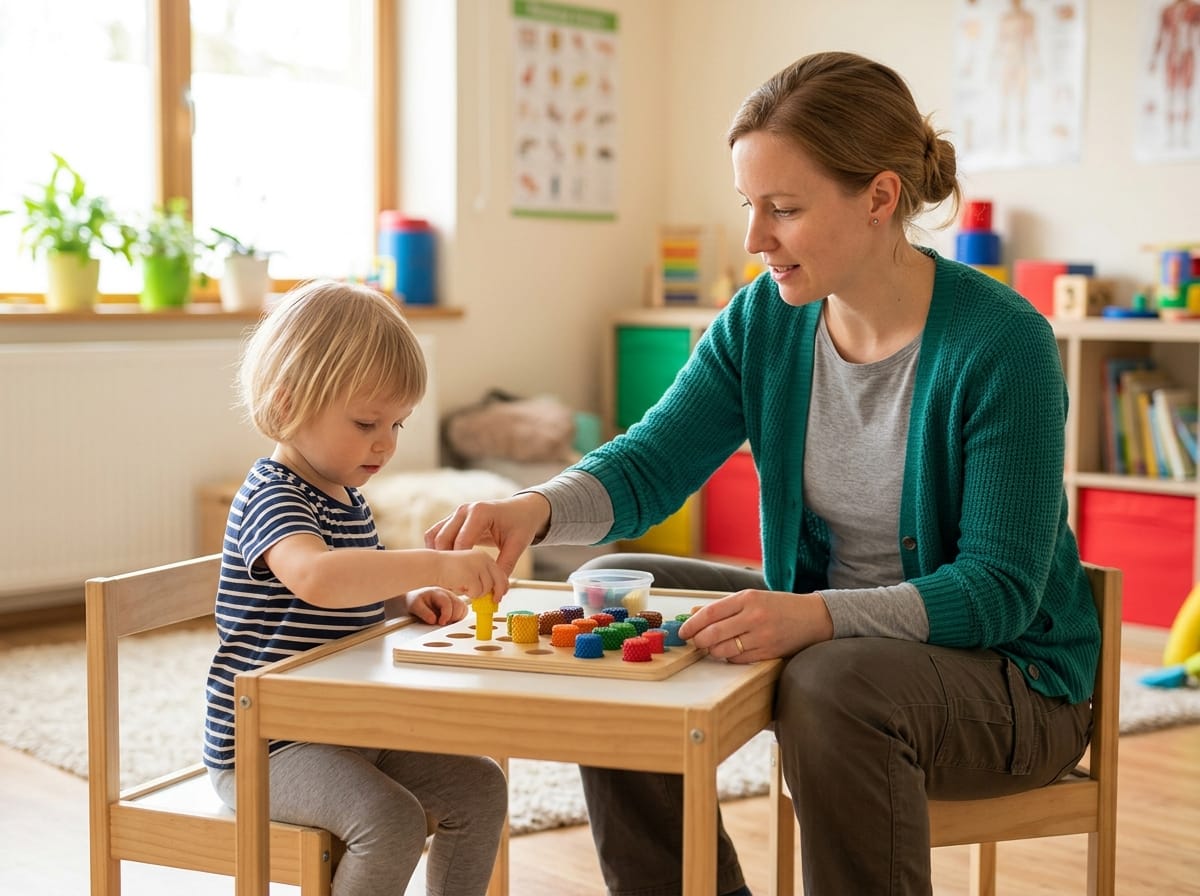
Exercise 6 — Peg Board or Stacking
What it does: Combines fine motor precision with visual-motor coordination — the ability of the eyes and hands to work together.
What you need: A pegboard toy, building blocks, or simple stacking rings.
How to do it:
- Ask your child to place pegs into holes one by one, using the affected hand
- Alternatively, stack 5 blocks into a tower using both hands
- Then disassemble the tower
Focus: The quality of the movement matters more than speed. Slow, controlled placement trains more precise neurological pathways than rushed movement.
Exercise 7 — Bilateral Clapping and Hand Games
What it does: Bilateral training — using both hands simultaneously in coordinated movement — is one of the most powerful tools for neurological recovery. It activates the unaffected hemisphere to support function in the affected one.
- Simple clapping rhythms: clap together, then alternate hands
- Pat-a-cake style hand games facing each other
- Drumming both hands alternately on a table surface
- Clapping while singing — rhythm makes bilateral movement more engaging and more neurologically reinforcing
Do this daily for 5 minutes — it feels like play and works like therapy.
Exercise 8 — Functional Hand Activities
What it does: Transfers the gains from specific exercises into real daily tasks — which is the ultimate goal.
Beginning level:
- Tearing paper into pieces with both hands
- Turning pages of a board book
- Pulling apart velcro
Intermediate level:
- Large zipper fastening and unfastening
- Scooping with a spoon
- Pouring water between cups
Advanced level:
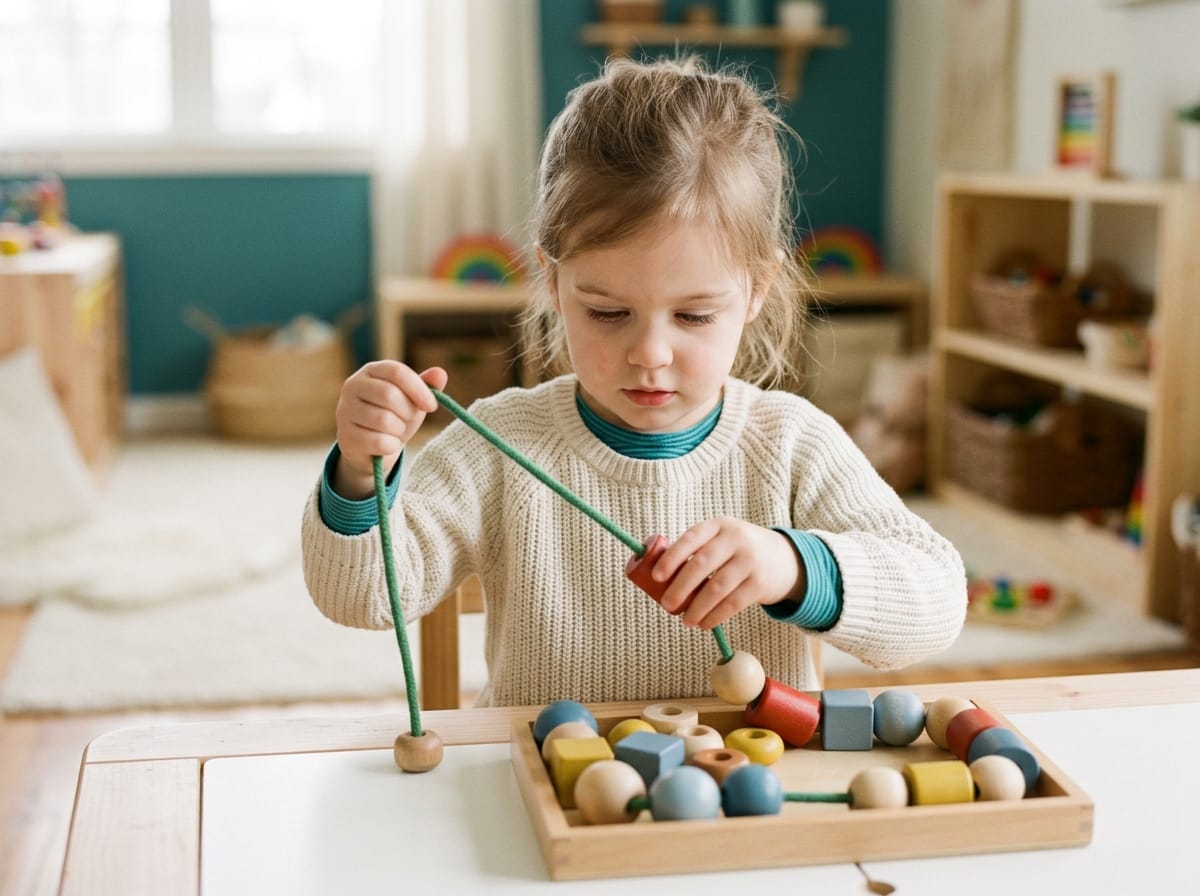
- Threading large beads
- Buttoning large buttons
- Using child scissors to cut paper
Always present functional activities as play — the engagement children bring to play produces better neurological adaptation than formal exercise instruction.
Tracking Hand Function Progress
Every two weeks, do a simple assessment. Can your child:
- Open their hand flat when asked — yes / partial / no
- Pick up a small soft object using the affected hand — yes / partial / no
- Squeeze a soft ball — yes / partial / no
- Release a held object voluntarily — yes / partial / no
- Use both hands together in a simple task — yes / partial / no
Photograph your child’s hand in an open and closed position monthly. This documents progress in a way that is easy to miss day-to-day but becomes visible over time.
Questions to Ask Your Child’s Occupational Therapist
- Which of these exercises are most appropriate for my child’s specific pattern of hand function loss?
- Should we prioritise grip strength or release function — which is the greater limitation for my child?
- What intensity of hand putty or ball resistance is appropriate at this stage?
- Are there any movements we should avoid given my child’s neurological history?
- How will we know when my child is ready to progress to harder exercises?
Frequently Asked Questions About Hand Exercises After Brain Illness
Can hand function return after neurological damage in children?
Yes. Children’s brains have significant neuroplasticity — the ability to form new pathways when existing ones are damaged. Consistent targeted exercise provides the repetitive input needed to drive neuroplasticity. Many children with hemiparesis show meaningful improvement in hand function over months of daily practice, often continuing to improve for years.
How long does it take to see improvement in hand function?
Visible improvement typically begins within two to four weeks of consistent daily practice for children whose condition is neurologically stable. Full recovery of fine motor skills can take many months or years. Early improvements — such as voluntary finger extension or improved grip strength — are signs the neuroplasticity process is underway.
Should we exercise the unaffected hand as well?
Yes. Exercising both hands produces better outcomes than focusing only on the affected side. Bilateral training activates neural pathways that support recovery in the affected hemisphere. The unaffected hand also maintains its function and prevents learned non-use — the tendency for the brain to stop using a weaker limb.
What is the difference between hemiplegia and hemiparesis in children?
Hemiplegia refers to complete or near-complete loss of movement on one side of the body. Hemiparesis refers to weakness and reduced control on one side while some voluntary movement remains. Most children recovering from brain infection or hydrocephalus with one-sided weakness have hemiparesis rather than hemiplegia — meaning recovery through targeted exercise is more achievable.
His hand opened on a Thursday.
Not because of one exercise, or one session, or one day. Because of five minutes every day for twelve weeks. Because we kept going when nothing visible was changing. Because his occupational therapist said repetition is what teaches the brain a new path — and we believed her.
The hand that held a crayon a few weeks later was the same hand that had been a fist for three months. The brain found a way. It needed the repetition, the consistency, and the time.
Give it those three things. That is the whole practice.
These exercises are for children whose neurological condition is medically stable. Always consult your child’s occupational therapist or physiotherapist before beginning a home exercise programme. This article does not constitute medical advice. Read our full disclaimer: braincarepath.com/disclaimer/
Bibliography
- Novak I, Morgan C, Fahey M, et al. State of the evidence traffic lights 2019: systematic review of interventions for preventing and treating children with cerebral palsy. Curr Neurol Neurosci Rep. 2020;20(2):3. Available at PubMed
- Gordon AM, Hung YC, Brandao M, et al. Bimanual training and constraint-induced movement therapy in children with hemiplegic cerebral palsy. Neurorehabil Neural Repair. 2011;25(8):692-702. Available at PubMed
- Sakzewski L, Ziviani J, Boyd RN. Efficacy of upper limb therapies for unilateral cerebral palsy: a meta-analysis. Pediatrics. 2014;133(1):e175-204. Available at PubMed
- Taub E, Uswatte G, Pidikiti R. Constraint-induced movement therapy: a new family of techniques with broad application to physical rehabilitation. J Rehabil Res Dev. 1999;36(3):237-251. Available at PubMed
Frequently Asked Questions About Fine Motor Exercises
What are fine motor exercises?
Fine motor exercises train the small muscles of the hands and fingers used for grasping, pinching and manipulating objects. Typical activities include threading beads, using tweezers, playdough work, buttoning, and drawing. They build the control needed for handwriting and self-care.
How do you improve fine motor skills after brain surgery?
Start with large, simple movements and progress to smaller, more precise ones. Practise little and often — 10 to 15 minutes several times a day works better than one long session. Everyday tasks such as doing up buttons or picking up small snacks count as therapy.
How long does it take to see progress in fine motor skills?
Progress is usually measured in months rather than weeks, and it is rarely linear. Small gains, such as holding a spoon slightly longer or picking up a smaller object, are meaningful. Keeping a dated record helps you see change that daily observation misses.
Are fine motor exercises safe after shunt surgery?
Yes, hand and finger exercises are safe once your surgical team confirms your child can resume normal activity. They place no strain on the shunt. Always follow the specific timeline given by your neurosurgeon after recent surgery.