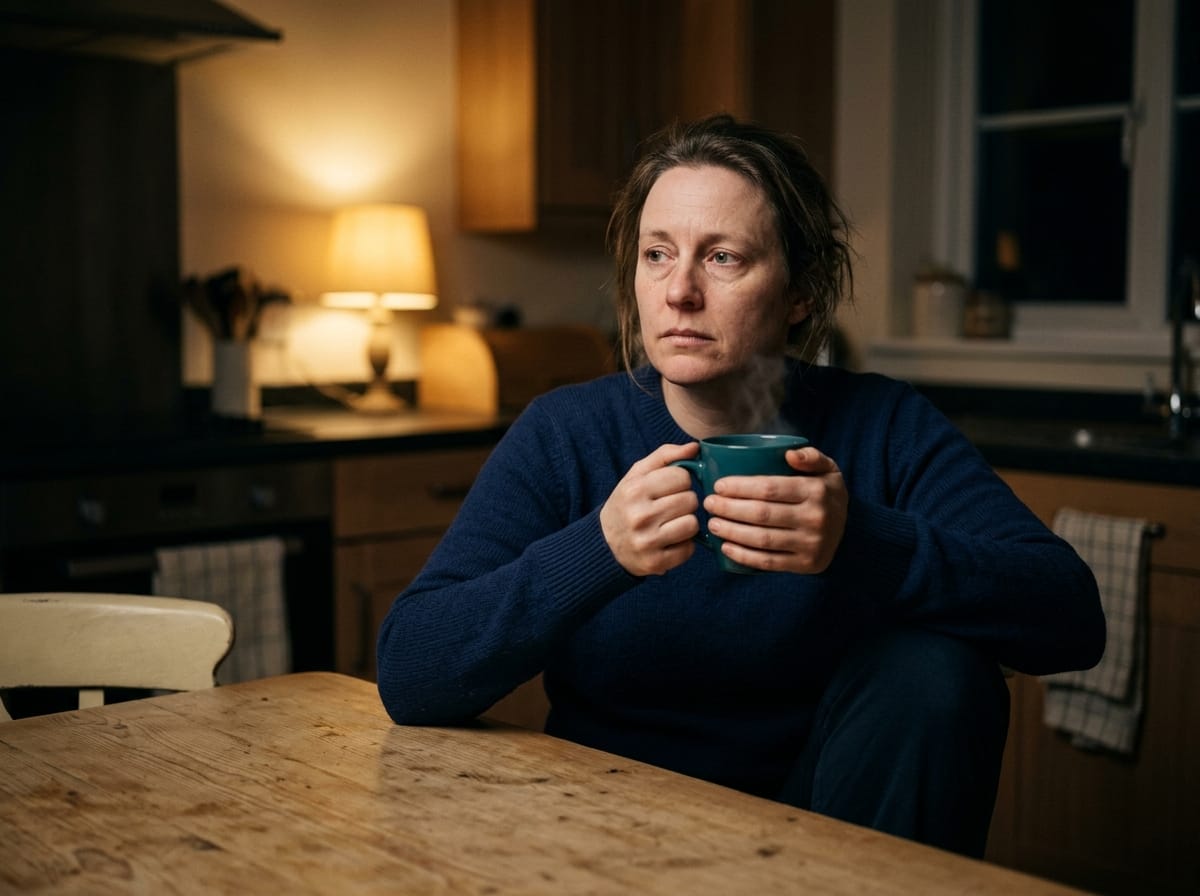
Quick answer: Caregiver burnout is a state of physical, emotional, and mental exhaustion that develops when the demands of caregiving exceed what a person can sustain. It builds gradually and is especially common among parents caring for a child with a chronic condition.
Key Takeaways
- Caregiver burnout is physical, emotional, and mental exhaustion that builds gradually from sustained caregiving demands
- Signs include persistent exhaustion, feeling helpless, withdrawing socially, and losing interest in things once enjoyed
- Burnout also shows up physically — disrupted sleep, weakened immunity, and elevated blood pressure are common
- Low mood lasting most days for two weeks or more, despite rest, may be depression rather than burnout and is worth discussing with a doctor

Caregiver Burnout: Recognising and Managing Stress
A compassionate guide for families caring for a loved one with a neurological condition
What Is Caregiver Burnout?
Caregiver burnout is a state of physical, emotional, and mental exhaustion that can occur when you give more than you are able to give. It is particularly common among parents and family members caring for someone with a neurological condition such as hydrocephalus, epilepsy, or another chronic brain condition.
Signs You May Be Experiencing Burnout
Burnout does not happen overnight — it builds gradually. Common signs include persistent exhaustion even after rest, feeling helpless or hopeless, withdrawing from friends and family, losing interest in activities you once enjoyed, feeling resentful toward the person you care for, and neglecting your own health needs.
Why Caregivers Neglect Themselves
Many caregivers feel guilty prioritising their own wellbeing. There is often an unspoken belief that putting yourself first means you are failing your loved one. In reality, the opposite is true — you cannot pour from an empty cup. Sustainable caregiving requires your own health to be protected.
Practical Strategies for Managing Stress
Seek respite care — even a few hours each week where another trusted person steps in can be transformative. Connect with caregiver support groups (online or in-person) where others truly understand your experience. Set realistic expectations and give yourself permission to ask for help. Maintain at least one activity purely for yourself each week, whether that is a walk, reading, or calling a friend.
You Are Not Alone
At Brain Care Path, we recognise that behind every patient is a family, and behind every family is a caregiver carrying enormous weight. This site exists as much for you as it does for the person you care for. Your wellbeing matters — not just as a caregiver, but as a whole person.
The Physical Toll of Chronic Caregiving
Burnout isn’t only emotional — it shows up in the body. Chronic caregiving stress is linked to disrupted sleep, a weakened immune response, elevated blood pressure, and higher rates of anxiety and depression among caregivers themselves. Many parents caring for a child with a neurological condition put off their own medical appointments for years, reasoning there simply isn’t time. But your capacity to care for someone else depends directly on your own health holding up. Treat your own check-ups, dental visits, and mental health as non-negotiable line items, not optional extras to get to “when things calm down.” For most caregivers, things rarely calm down on their own — the routine has to be built around the caregiving, not after it.
Recognising When It’s More Than Burnout
Burnout and clinical depression can look similar but aren’t the same thing, and it’s worth knowing the difference. Burnout tends to ease, at least somewhat, with rest, support, or a change in circumstances. If low mood, hopelessness, or loss of interest persists most days for two weeks or more regardless of rest — or if you experience intrusive thoughts of harming yourself — that’s a sign to speak with a doctor or mental health professional rather than trying to push through alone. This isn’t a failure of resilience. Caregivers are at meaningfully higher risk of depression and anxiety than the general population, and getting support early tends to work better than waiting for a crisis point.
Setting Boundaries Without the Guilt
Many caregivers operate as though saying no, asking for help, or protecting personal time is a betrayal of the person they’re caring for. It isn’t. Boundaries might mean declining an extra commitment during a hard week, asking a partner or relative to take a specific recurring task off your plate, or simply not answering every message the moment it arrives. Delegation works best when it’s specific — “can you handle the Tuesday physio pickup every week” lands better than a vague “let me know if you can help,” which rarely results in actual help. Practice treating requests for support as a normal part of caregiving, not a last resort.
Building a Support Network That Actually Helps
General offers of help (“let me know if you need anything”) are well-meant but hard to act on. It’s worth keeping a running list of concrete, specific tasks — a meal, a school pickup, an hour of respite — that you can hand to someone the moment they offer. Caregiver support groups, whether tied to your child’s specific condition or general neurological caregiving, connect you with people who understand the particular weight of this role without needing it explained. Many hospitals and clinics can point you toward local or online groups; your child’s care team is a good first place to ask.
Talking to Your Other Children About the Load
Siblings of a child with a chronic neurological condition sometimes describe feeling like the “invisible” ones — old enough to be relied on, but easily overlooked amid appointments and crises. Carving out dedicated, undivided time with them, even briefly and regularly, communicates that their needs matter too. Age-appropriate honesty about what’s happening — rather than shielding them from everything — generally helps siblings feel included rather than confused or anxious about things they can sense but aren’t told. Many children’s hospitals offer sibling support groups specifically for this reason; asking your care team is worth it.
Practical Self-Care That Actually Fits Caregiving Life
Self-care advice aimed at the general population — spa days, week-long retreats — rarely fits the reality of caring for a child with an ongoing medical condition, and caregivers often dismiss the whole idea as impractical. The version that actually works tends to be smaller and more sustainable: a ten-minute walk during a therapy session, a standing weekly phone call with a friend, keeping one hobby alive even in a reduced form rather than abandoning it entirely. Respite care — even a few hours a week where a trusted person takes over — can be transformative precisely because it’s not about escaping your role but about protecting your ability to sustain it. If a few hours of paid or family respite feels financially or logistically out of reach, ask your child’s care team about local respite programmes; many areas have options specifically for families managing chronic paediatric conditions that aren’t widely advertised.
This article is for informational purposes only. If you are experiencing severe anxiety or depression, please speak with a healthcare professional.