
Key Takeaways
- Nutritional status directly influences the neuroplasticity mechanisms driving recovery.
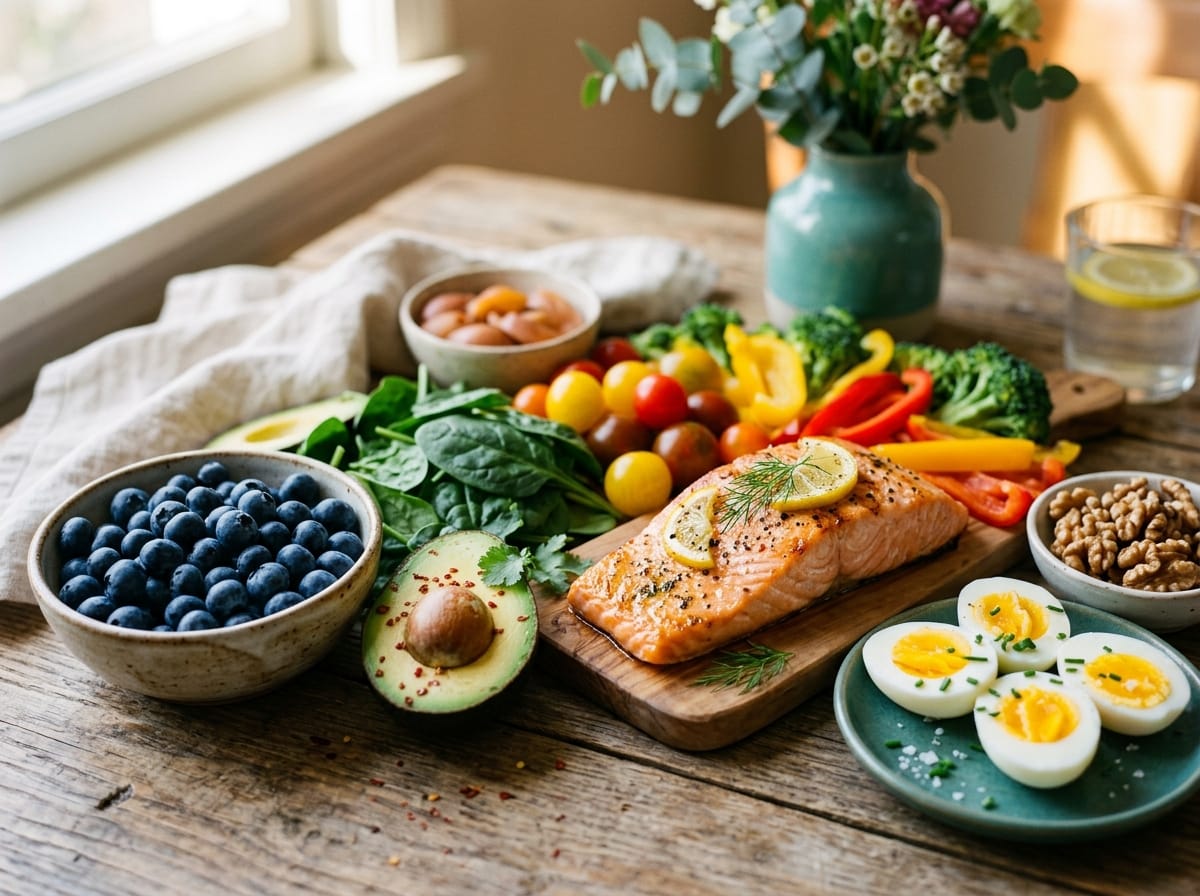
- Think of it this way: oily fish for DHA, eggs for choline, colourful fruits and vegetables for antioxidants, legumes and meat for iron and zinc, and full-fat dairy for energy density.
- Omega-3 supplementation may be appropriate for children whose dietary fish intake is limited.
- Elevated intracranial pressure directly suppresses appetite through effects on hypothalamic appetite regulation.
Hydrocephalus and Nutrition: Vital Foods for Brain Recovery
Quick answer: The brain recovering from hydrocephalus has specific nutritional needs — omega-3 fatty acids, iron, zinc, choline, and antioxidants all play documented roles in supporting the neuroplasticity mechanisms that drive recovery.
Key Takeaways
- The brain recovering from hydrocephalus has specific nutritional needs — omega-3 fatty acids, iron, zinc, choline, and antioxidants all play documented roles in supporting the neuroplasticity mechanisms that drive recovery
- Malnutrition is a significant but often overlooked risk in children with brain illness — elevated intracranial pressure suppresses appetite, frequent vomiting reduces nutrient retention, and the metabolic demands of recovery increase caloric need simultaneously
- Food alone does not treat hydrocephalus — but evidence consistently shows that nutritional status directly influences neurological recovery, making diet a meaningful and modifiable factor in outcomes
The nutritionist arrived on the fourth day.
She pulled a plastic chair beside my son’s hospital bed and asked me what he had eaten that week. I listed the things he had accepted — small amounts, reluctantly. She wrote it down without commenting on how little it was. Then she said something I was not expecting: the brain heals differently when it is well-nourished.
I had not thought about nutrition in the context of neurology. I had thought about medicine, about surgery decisions, about monitoring and therapy. I had not thought about what my son was eating as part of his neurological recovery.
That conversation, brief as it was, sent me into months of reading. This article is what I found — the evidence on nutrition and brain recovery, translated into something practical for families navigating what we navigated.
Why Nutrition Matters in Hydrocephalus Specifically
The brain accounts for approximately twenty percent of the body’s total energy expenditure despite representing only two percent of body weight. A brain under the stress of elevated pressure, infection, or inflammation requires even more metabolic support than usual. The same is true during the recovery phase that follows.
Several factors conspire to create nutritional vulnerability in children with hydrocephalus.
Reduced appetite from elevated intracranial pressure. Raised ICP suppresses appetite directly. A child whose brain is under pressure does not want to eat — and forcing intake can cause vomiting which compounds the problem.
Vomiting and nutrient loss. Morning vomiting — one of the hallmark symptoms of elevated intracranial pressure — reduces the nutrients a child retains even when they do eat. Repeated vomiting impairs absorption of fat-soluble vitamins in particular.
Increased metabolic demand. The brain actively recovering from injury uses more energy and more specific nutrients than a brain at rest. It is forming new connections, clearing inflammatory byproducts through the glymphatic system, and rebuilding myelin on damaged axons.
Feeding difficulties from neurological injury. Children whose hydrocephalus has affected motor pathways controlling swallowing or oral feeding may have mechanical difficulties eating that are entirely separate from appetite.
Taken together, these factors make malnutrition a genuine risk in children with hydrocephalus. Nutritional support is a legitimate clinical priority, not a secondary concern.
The Key Nutrients for Brain Recovery
Omega-3 Fatty Acids — DHA and EPA
The brain is approximately sixty percent fat, and the dominant fatty acid in brain tissue is docosahexaenoic acid (DHA) — an omega-3 fatty acid. DHA is essential for membrane fluidity, synaptic transmission, and the formation of new neural connections.
Research by Gómez-Pinilla in Nature Reviews Neuroscience established that DHA is the most abundant omega-3 fatty acid in the brain. It is critical for synaptic plasticity — the cellular basis of learning and memory. Animal models of brain injury consistently show that DHA supplementation following injury promotes neuroplasticity and improves functional recovery. Available at: https://pubmed.ncbi.nlm.nih.gov/18568016/
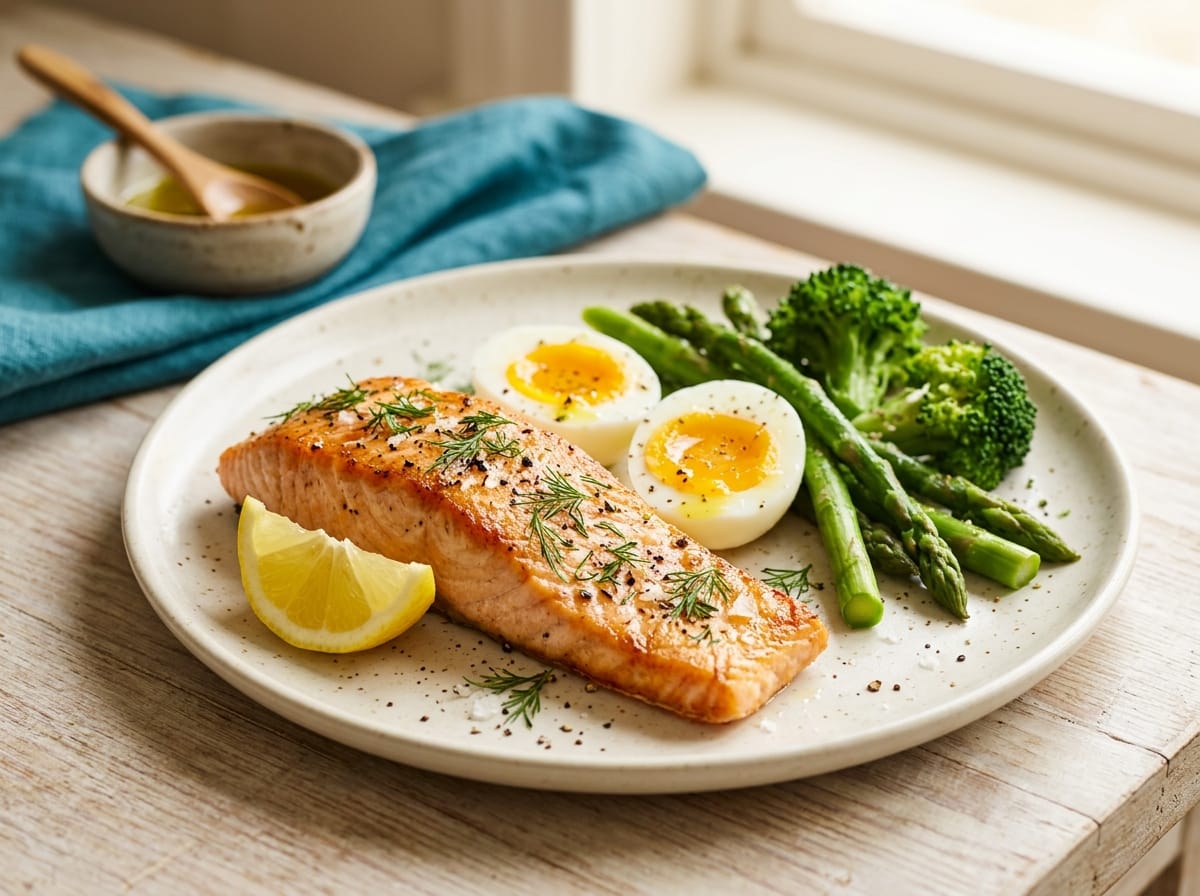
Sources: Oily fish — salmon, mackerel, sardines, trout. For children who do not eat fish, algae-based DHA supplements provide plant-sourced omega-3 without mercury concerns.
Practical guidance: The UK’s NHS recommends two portions of oily fish per week for children over twelve months. For children recovering from neurological illness, consistent omega-3 intake from food or supplementation is a reasonable priority to discuss with your paediatrician or dietitian.
Iron — Essential for Myelination
Iron is required for the production of myelin — the protective sheath coating nerve fibres that allows fast, reliable signal transmission. The periventricular white matter most commonly damaged by hydrocephalus is rich in myelinated fibres. Iron deficiency impairs the myelination process and slows neurological recovery.
Iron deficiency is one of the most common nutritional deficiencies in young children globally. This makes it a realistic concern when appetite and dietary intake have been reduced by illness.
Sources: Red meat, dark poultry, lentils, beans, fortified cereals, dark leafy greens. Vitamin C consumed with non-meat iron sources significantly improves absorption.
Signs of iron deficiency to watch for: Pallor, fatigue disproportionate to neurological cause, poor concentration, reduced activity tolerance, and confirmed anaemia on blood testing.
Zinc — Neuroplasticity and Immune Support
Zinc is involved in over three hundred enzyme reactions in the body. Several are directly relevant to neurological function — including synaptic plasticity, BDNF activity, and the regulation of neuroinflammation.
Research by Bourre in the Journal of Nutrition, Health and Aging reviewed dietary nutrients in nervous system function. It identified zinc as critical for maintaining and repairing neuronal membranes. Zinc also modulates synaptic activity — the basis of learning and recovery. Available at: https://pubmed.ncbi.nlm.nih.gov/17066210/
Sources: Meat, shellfish, legumes, nuts, seeds, dairy products, eggs.
Choline — Memory, Myelin, and Neural Repair
Choline is essential for two critical substances. It supports the production of acetylcholine — a neurotransmitter for memory and attention — and phosphatidylcholine, a key component of cell membranes including myelin sheaths.
Research consistently identifies choline as important during sensitive developmental periods. The first years of life — when many children with hydrocephalus are receiving care — are exactly such a period.
Sources: Eggs (the yolk in particular), beef, chicken, fish, soybeans, and some green vegetables including broccoli and Brussels sprouts.
Antioxidants — Protecting Against Oxidative Stress
Brain injury, inflammation, and elevated intracranial pressure generate oxidative stress — the accumulation of reactive oxygen species that damage cell membranes and neural tissue. Antioxidant nutrients — vitamins C and E, beta-carotene, selenium, and polyphenols — help neutralise this oxidative burden.
Sources: Colourful fruits and vegetables — blueberries, strawberries, citrus fruits, spinach, carrots, sweet potato. A diverse, colourful diet naturally provides a broad antioxidant profile.
Vitamin D — Neuroprotection and Immune Regulation
Vitamin D receptors are present throughout the brain, and vitamin D plays roles in neuroprotection, immune modulation, and the regulation of inflammatory processes. Deficiency is common in children who spend limited time outdoors — which describes many children during recovery periods.
Sources: Sunlight exposure, oily fish, fortified dairy products, eggs. Supplementation is widely recommended for children in northern latitudes or with limited sun exposure.

When a Child Will Not Eat — Practical Strategies
Appetite suppression from elevated intracranial pressure is real and it is frustrating. Forcing intake typically worsens the situation. Several approaches are more productive.
Small, frequent offerings rather than three full meals. A brain under pressure tolerates small amounts better than large volumes. Six small meals or snacks spaced two to three hours apart may be accepted where three large meals are not.
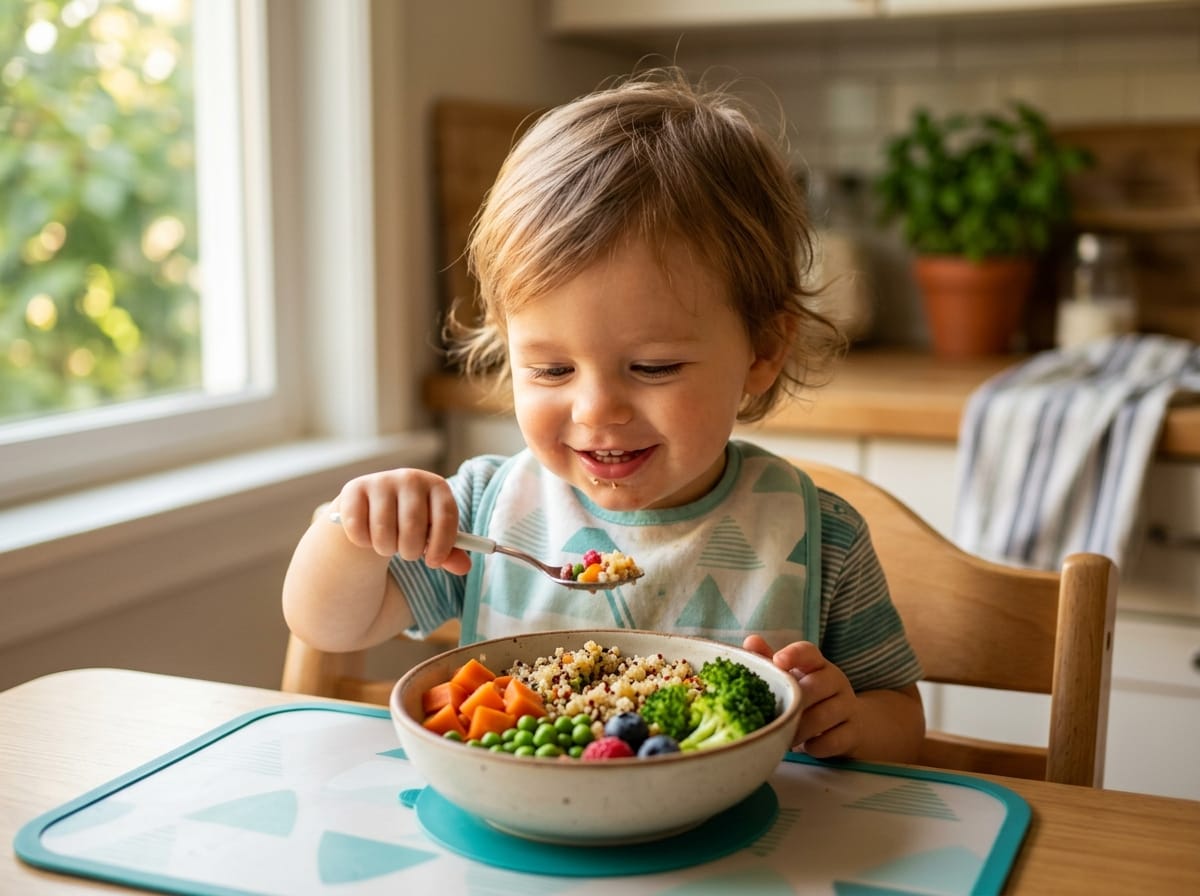
Caloric density over volume. When a child will only eat small amounts, prioritise calorie-dense foods. Good options include nut butter, avocado, full-fat dairy, eggs, and oily fish.
Texture modification if needed. Children with neurological injury affecting oral motor function may need pureed, soft, or otherwise modified textures. An occupational therapist or speech and language therapist can assess feeding mechanics and recommend appropriate modifications.
Hydration alongside nutrition. Vomiting depletes electrolytes as well as calories. Oral rehydration when tolerated, and electrolyte-balanced fluids, support the nutritional recovery alongside solid food.
Involve a paediatric dietitian. If a child’s intake is significantly impaired for more than a few weeks, a formal dietetic assessment is appropriate. A paediatric dietitian can calculate specific caloric and nutrient targets and recommend appropriate supplements. In severe cases, they can also support consideration of nasogastric or other enteral feeding approaches.
What the Research Shows
Research by Georgieff in the American Journal of Clinical Nutrition confirmed that the brain’s nutritional needs are highest during periods of rapid development and recovery. Deficiencies in key nutrients during these windows produce effects that can persist long after the deficiency is resolved. The paper named six nutrients with the strongest evidence: iron, zinc, copper, iodine, choline, and long-chain polyunsaturated fatty acids. Available at: https://pubmed.ncbi.nlm.nih.gov/17374660/
I want to be honest about a limitation here. Most nutritional brain research has been conducted in healthy developing children or in adult acquired brain injury. Research specifically on nutritional interventions in paediatric hydrocephalus is limited. The nutritional principles described above draw on evidence from adjacent fields: brain development, neurological recovery after injury, and paediatric critical illness nutrition. They do not come from randomised controlled trials in hydrocephalus populations specifically.
This does not make the guidance less valid. Families should work with a paediatric dietitian who can apply these principles to their child’s specific situation. A generic supplement protocol is not the right approach.

What This Means for Your Family
A diverse, whole-food diet covers most of the nutritional priorities above. Include regular oily fish, eggs, colourful vegetables, legumes, and full-fat dairy.
If your child’s intake has been significantly reduced by illness — through appetite suppression, vomiting, or feeding difficulties — request a paediatric dietitian referral.
If you are considering omega-3 supplementation, algae-based DHA is the most appropriate option for young children. It avoids mercury concerns linked to fish oils and provides the most neurologically active form of omega-3 directly.
Avoid the temptation to over-supplement. More is not always better with micronutrients — several including zinc and vitamin A are harmful in excess. Food sources, dosed appropriately for age, are safer and more bioavailable than high-dose supplements in most cases.
Questions to Ask Your Paediatric Team
- Is my child’s nutritional status being formally assessed as part of their care?
- Should we have a referral to a paediatric dietitian given the reduced intake during illness?
- Are there specific nutrient deficiencies that blood tests have identified or that are likely given my child’s diet?
- Is omega-3 supplementation appropriate for my child given their age and clinical situation?
- Are there any dietary considerations specific to my child’s medications — for example, interactions between certain foods and anticonvulsant medications?
Frequently Asked Questions
Does diet affect hydrocephalus recovery in children?
Nutritional status directly influences the neuroplasticity mechanisms driving recovery. Key nutrients — DHA, iron, zinc, choline, antioxidants — support myelin repair, synaptic plasticity, and protection against oxidative stress. While diet does not treat hydrocephalus itself, evidence consistently links good nutritional status with better neurological recovery outcomes.
What foods are best for brain recovery after hydrocephalus?
Think of it this way: oily fish for DHA, eggs for choline, colourful fruits and vegetables for antioxidants, legumes and meat for iron and zinc, and full-fat dairy for energy density. A diverse whole-food diet covering these groups provides the most important nutritional priorities without requiring complex supplementation.
Should children with hydrocephalus take omega-3 supplements?
Omega-3 supplementation may be appropriate for children whose dietary fish intake is limited. Algae-based DHA is preferred for young children as it avoids potential mercury concerns in fish oils. Always discuss supplementation with your paediatric team or dietitian before starting. Dose and formulation matter and must match your child’s age and clinical situation.
Why do children with hydrocephalus have reduced appetite?
Elevated intracranial pressure directly suppresses appetite through effects on hypothalamic appetite regulation. Morning vomiting further reduces net intake. Neurological fatigue reduces the energy available for eating. These are physiological effects of the condition, not behavioural choices. Manage them with small, frequent, calorie-dense offerings rather than pressure to eat larger amounts.
The nutritionist left after twenty minutes. I had not written anything down.
But the sentence stayed with me — the brain heals differently when it is well-nourished. Over the following months, as I read everything I could find about nutrition and neurology, I kept coming back to it. The research kept confirming the same thing.
We changed what my son ate. Deliberately, consistently, based on evidence rather than instinct. Eggs every morning. Oily fish twice a week. Colourful vegetables everywhere we could add them.
Was it what made the difference? I cannot know for certain. Recovery has too many variables to isolate any single one.
What I know is that it was one of the few things we could actively do every day. And the evidence said it mattered. That was enough.
This article is for informational purposes only and does not constitute medical advice. Always consult your paediatric dietitian and medical team before changing your child’s diet or starting supplements. Read our full disclaimer: braincarepath.com/disclaimer/
Bibliography
- Gómez-Pinilla F. Brain foods: the effects of nutrients on brain function. Nat Rev Neurosci. 2008;9(7):568-578. Available at: https://pubmed.ncbi.nlm.nih.gov/18568016/
- Bourre JM. Effects of nutrients (in food) on the structure and function of the nervous system. J Nutr Health Aging. 2006;10(5):377-385. Available at: https://pubmed.ncbi.nlm.nih.gov/17066210/
- Georgieff MK. Nutrition and the developing brain: nutrient priorities and measurement. Am J Clin Nutr. 2007;85(2):614S-620S. Available at: https://pubmed.ncbi.nlm.nih.gov/17284765/
- Prado EL, Dewey KG. Nutrition and brain development in early life. Nutr Rev. 2014;72(4):267-284. Available at: https://pubmed.ncbi.nlm.nih.gov/24684384/