

Quick answer: Sports with a VP shunt are safe for most children — swimming, running, cycling and football are all fine. The main exceptions are contact sports with high head-injury risk such as boxing, rugby and American football. Helmets are strongly recommended for cycling, skating and skiing.
Key Takeaways
- Most children with shunts can and should be physically active.
- Swimming is safe once wounds have fully healed.
- Collision sports carry the clearest risk and are usually discouraged.
- Helmets matter more for shunt patients than for other children.
- Inactivity carries its own real health and social costs.
A mother told me her son sat on the sidelines for an entire soccer season, not because any doctor had told him to, but because his coach heard the word “shunt” at the first practice and quietly stopped picking him for drills that involved contact. Nobody ever said it directly. He just stopped being chosen.
Her son noticed, of course. He was eight, and he spent that season believing something was wrong with his body that nobody had actually told him about. It took her most of the year to realise the problem was not her son’s shunt. It was that she had told the coach almost nothing about what it actually meant.
Why Sports With a VP Shunt Matter
Parents often default to restriction, which is understandable and sometimes harmful.
Children with shunts already face more medical appointments, more absences, and more difference from peers than most. Sport is one of the strongest routes to friendship, confidence and ordinary childhood.
Additionally, physical activity supports balance, coordination and stamina — areas where children recovering from hydrocephalus frequently need the most help. Restriction has costs that do not appear on any risk assessment.
Sports With a VP Shunt: Generally Safe Activities
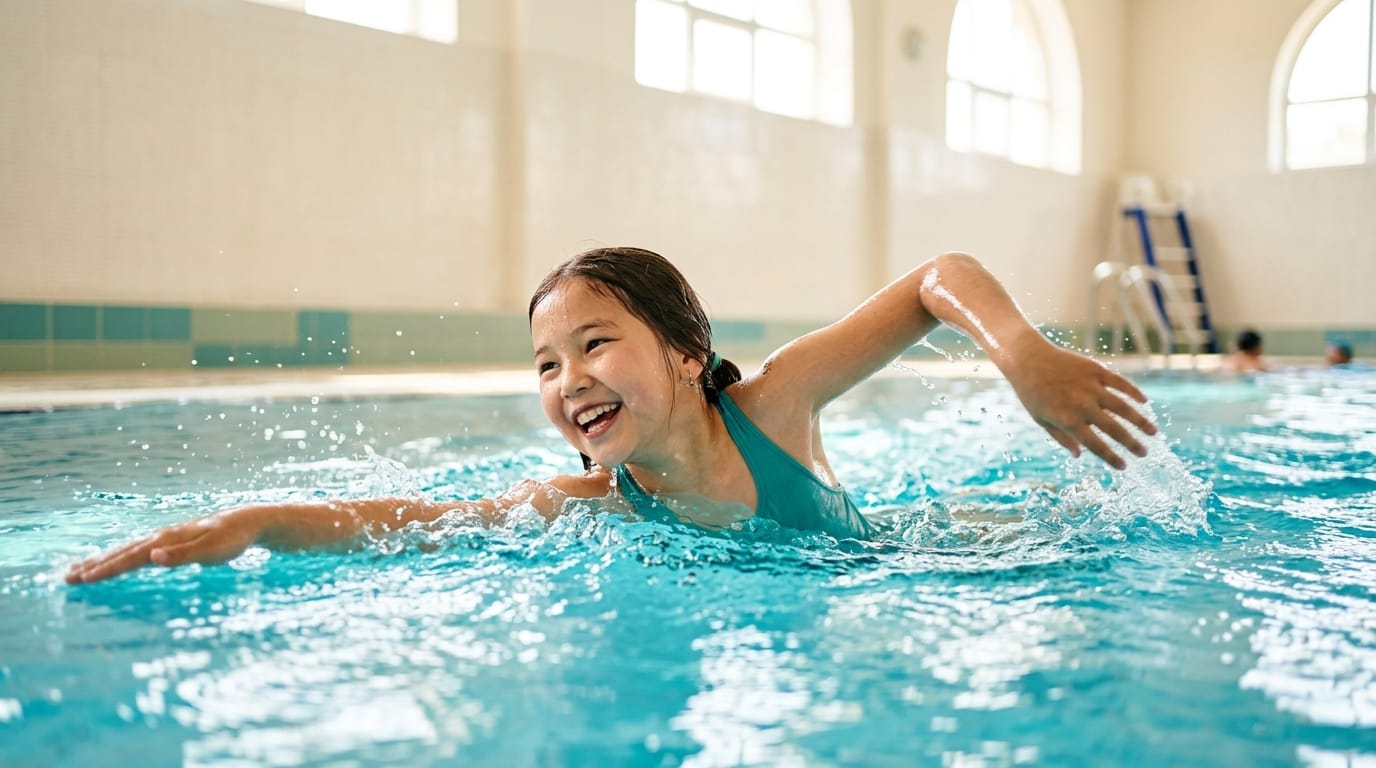
- Swimming — safe once surgical wounds are fully healed; the shunt is entirely internal
- Running and athletics — no restriction
- Cycling — safe with a properly fitted helmet
- Football and basketball — usually permitted; discuss heading with the neurosurgeon
- Gymnastics and dance — generally fine, avoiding high-risk aerial work
- Racket sports — no restriction
- Martial arts (non-contact forms) — usually acceptable
Activities Needing Caution or Avoidance
The concern is specific: repeated or forceful head impact.
- Boxing and full-contact martial arts — generally not advised
- Rugby and American football — usually discouraged, though views vary
- Diving from height — discuss with the neurosurgical team
- Trampolining — higher injury rates generally, worth discussing
- Contact hockey — depends on level and protective equipment


What to Actually Ask the Neurosurgeon
Rather than asking “is sport safe?”, ask about the specific activity your child wants to do. General questions get general answers.
Useful framing: “He wants to play football at school. What are your thoughts on heading the ball, and is there anything I should tell the coach?”
Ask also whether the shunt tubing runs anywhere that might be vulnerable in a particular sport. The answer occasionally changes the advice for an individual child.
Talking to Coaches and Schools
The following season, she did what this section describes, almost word for word.
Coaches usually respond well to specifics and badly to vagueness. Telling them a child has a shunt without explanation often produces blanket exclusion.
- Explain the shunt is internal and does not restrict most activity
- Say clearly what the child is cleared to do
- Explain the warning signs of shunt problems — headache, vomiting, drowsiness
- Provide a written contact plan
- Reassure them that ordinary knocks are not a crisis

What This Means for Your Family
The default should be inclusion with sensible precautions, not exclusion with occasional exceptions.
A helmet is the single highest-value precaution you can take. It costs little and addresses the actual risk.
If your instinct is to say no to everything, that is a completely normal response to fear — but discuss the specific activity with the surgical team before deciding. The answer is more often yes than parents expect.
Frequently Asked Questions
Can a child with a VP shunt play sports?
Yes, most sports are safe including swimming, running, cycling, football and basketball. Contact sports with high head-injury risk such as boxing and rugby are usually discouraged. Discuss the specific activity with your neurosurgeon.
Can you swim with a VP shunt?
Yes, once surgical wounds have fully healed. The shunt is entirely internal, so water poses no risk to it. Swimming is often recommended because it builds strength and coordination without impact.
Should a child with a shunt wear a helmet?
Yes, for cycling, skating, scooting and skiing. Helmets are more important for children with shunts than for other children because the concern is head impact, and a helmet directly addresses that risk.
Can a child with a shunt play football or head the ball?
Football is usually permitted. Heading the ball is worth discussing specifically with your neurosurgeon, as opinions vary and advice may depend on the child’s individual circumstances and shunt position.
What should I tell my child’s sports coach?
Explain that the shunt is internal and does not restrict most activity, state clearly what the child is cleared to do, describe the warning signs of shunt problems, and provide written contact details. Vagueness tends to produce unnecessary exclusion.
She wrote the coach a single page: what the shunt was, what her son could do without restriction, what to watch for, and her phone number. He was back in full drills within a week, played the whole season, and scored what he still describes as his best goal ever that spring. Nothing about his shunt had changed. What changed was that the coach finally had something more specific than a scary word to go on.
If your child has been quietly sidelined from something they love, the fix is rarely a doctor’s letter. It is usually just clearer information than “he has a shunt.”
Related Reading
- Living With a VP Shunt: A Guide for Families
- Balance and Walking Exercises After Shunt Surgery
- VP Shunt Failure Signs: 7 Warnings Parents Must Know
Bibliography
- Hydrocephalus Association. Complications of Shunt Systems. Available at: hydroassoc.org
- Ventriculoperitoneal Shunt. StatPearls, National Library of Medicine. Available at: ncbi.nlm.nih.gov
- Risks of CSF Shunts. US Food and Drug Administration. Available at: fda.gov