
Key Takeaways
- Yes.
- Children in neurological recovery typically need more sleep than healthy peers.
- Yes.
- Research on sleep and motor learning suggests that skills learned before a sleep period consolidate more effectively.
Sleep and Brain Recovery in Children: What the Research Truly Reveals
Key Takeaways
- During sleep the brain actively consolidates learning, clears metabolic waste through the glymphatic system, and strengthens new neural connections — making sleep as important as therapy for neurological recovery
- Children recovering from brain illness need significantly more sleep than healthy peers — attempts to increase therapy time by reducing sleep can actively slow recovery
- Research confirms that sleep deprivation impairs the neuroplasticity mechanisms that make rehabilitation possible
Quick answer: During sleep the brain actively consolidates learning, clears metabolic waste through the glymphatic system, and strengthens new neural connections — making sleep as important as therapy for neurological recovery. Children recovering from brain illness need significantly more sleep than healthy peers — attempts to increase therapy time by reducing sleep can actively slow recovery.
I used to wake him at 7am for his therapy session.
He needed the session. We had fought hard to get the appointment. I was not going to waste it by letting him sleep in.
One morning his physiotherapist stopped me before I could explain why he looked so tired. “How much is he sleeping?” she asked. I told her. She was quiet for a moment. “The sleep is part of the therapy,” she said. “In some ways it is the most important part.”
I did not believe her immediately. I was in the mode of doing — more exercises, more sessions, more intervention. The idea that lying still and sleeping could compete with active therapy felt counterintuitive. It took weeks of reading before I understood what she meant, and months before I changed what I was doing because of it.
What the research shows about sleep and brain recovery is one of the most important things families navigating neurological illness are almost never told.

What the Brain Actually Does During Sleep
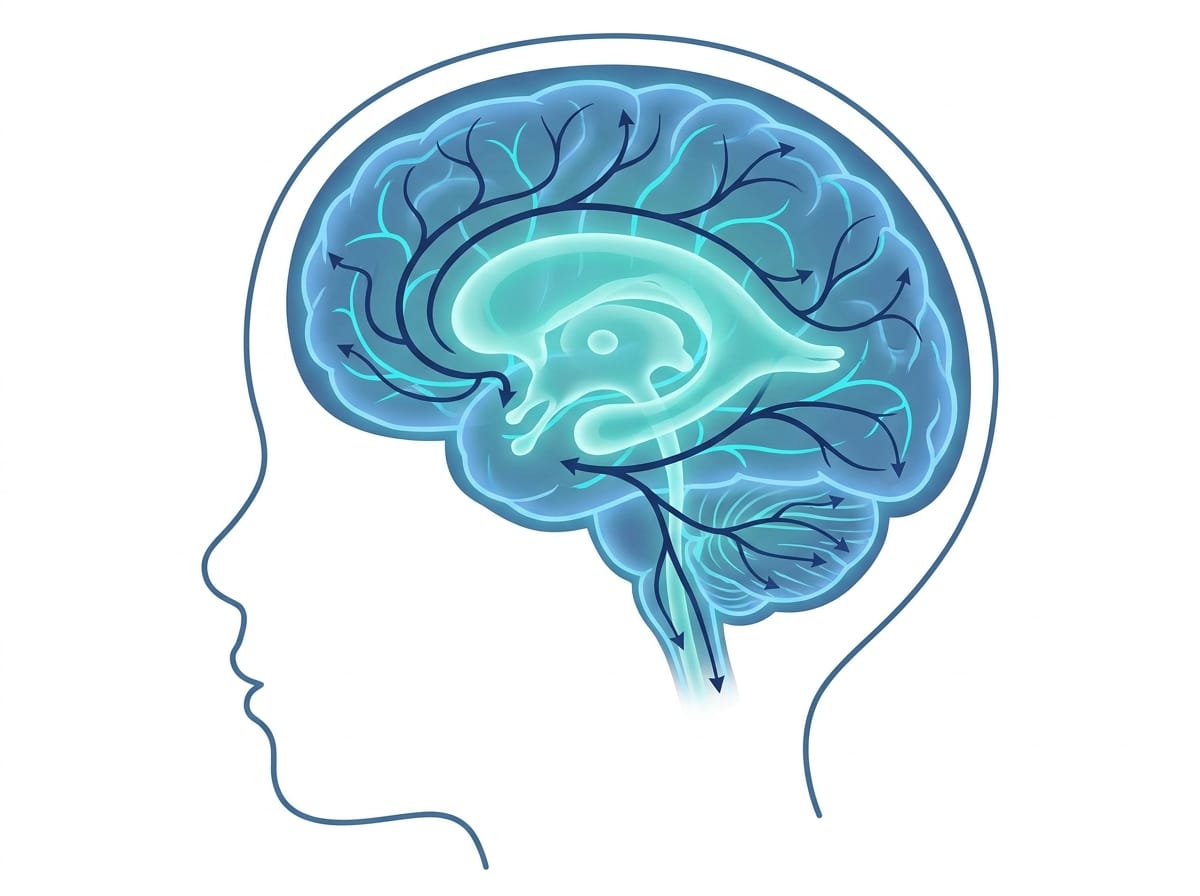
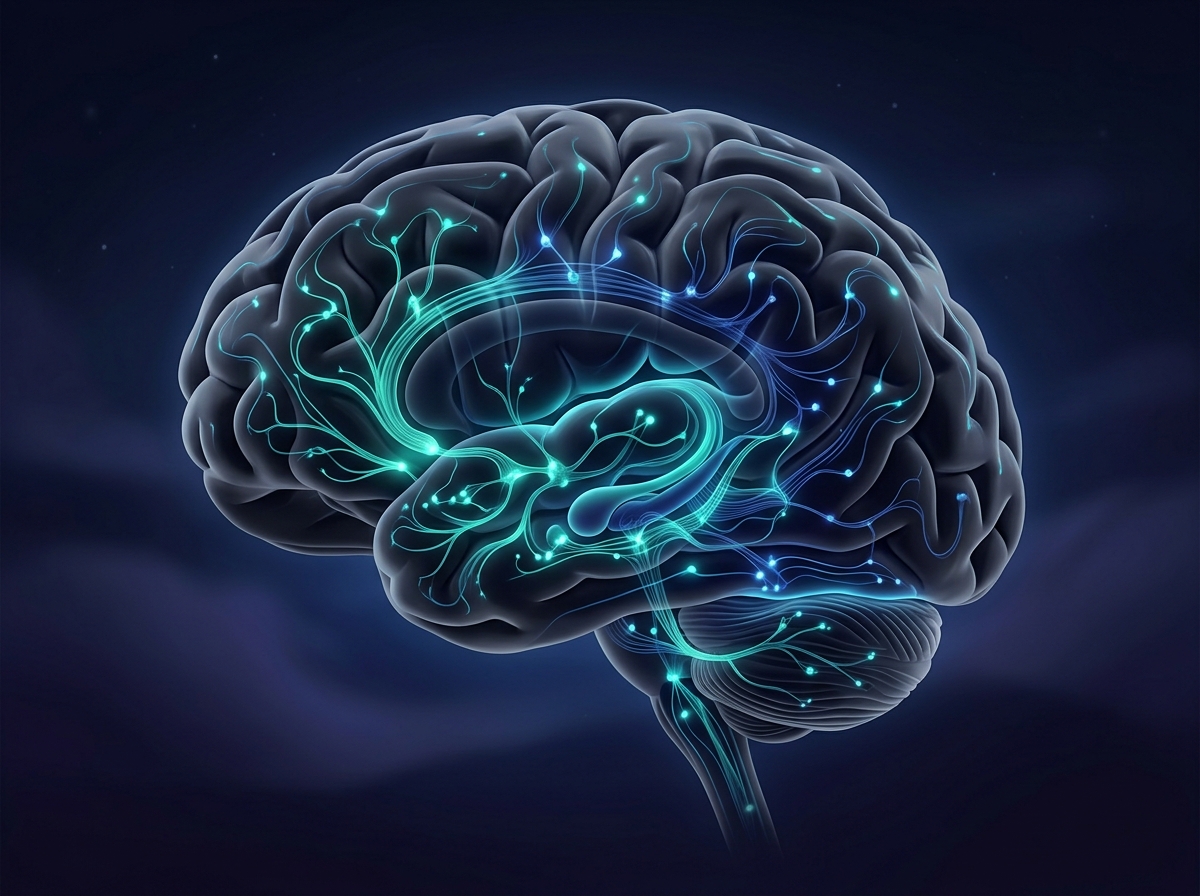
Sleep is not rest in the sense that a muscle rests. The brain during sleep is intensely active — performing maintenance, consolidation, and repair that cannot happen during waking hours.
Three processes are particularly relevant for children recovering from neurological illness.
Memory and Learning Consolidation
Skills learned during therapy sessions — a new movement pattern, a balance technique, a coordination exercise — are encoded in the brain as fragile short-term memories. Sleep converts these fragile traces into stable long-term memories through a process called memory consolidation.
Research by Stickgold, published in Nature, established that sleep-dependent memory consolidation is not passive. During specific sleep stages — particularly slow-wave sleep and REM sleep — the brain actively replays and strengthens newly learned motor and cognitive skills. A therapy session without adequate subsequent sleep produces less durable learning than the same session followed by proper rest. Available at PubMed.
The Glymphatic System — Brain Waste Clearance
During waking hours, neural activity produces metabolic waste products — including proteins associated with inflammation and cellular stress. The glymphatic system, a network of channels surrounding blood vessels in the brain, clears this waste primarily during sleep.
Research by Xie et al. demonstrated that the glymphatic system is nearly ten times more active during sleep than during waking. In a brain recovering from inflammation or infection, this clearance function is particularly significant — the removal of inflammatory byproducts directly supports the healing environment the brain needs. Available at PubMed.
Synaptic Homeostasis and Neuroplasticity
The synaptic homeostasis hypothesis, developed by Tononi and Cirelli and published in Neuron, proposes that sleep serves to downscale synaptic connections strengthened during the day — essentially consolidating what matters and clearing what does not. This process is fundamental to neuroplasticity. Without it, the brain’s capacity to form and maintain new connections — the very mechanism that makes rehabilitation work — becomes impaired. Available at PubMed.
How Much Sleep Do Recovering Children Need
Sleep requirements vary by age. For children undergoing neurological rehabilitation, research suggests they typically need more sleep than standard recommendations for healthy peers — because the brain’s repair and consolidation processes require extended sleep time.
- Infants (4–12 months): 12–16 hours including naps
- Toddlers (1–2 years): 11–14 hours including naps
- Preschool (3–5 years): 10–13 hours including naps
- School age (6–12 years): 9–12 hours
Children recovering from brain infection, meningitis, or neurological illness frequently show increased sleep need — sleeping longer and more deeply than peers of the same age. This is not a symptom of regression. It is the brain allocating resources to recovery.
Signs That Sleep Quality May Be Affecting Recovery
Sleep problems are common in children with neurological conditions. They are also frequently under-recognised and under-treated. Watch for:
- Difficulty falling asleep despite visible tiredness — common when elevated stress hormones or medication side effects disrupt the sleep-onset process
- Frequent waking through the night — disrupts the deeper sleep stages most important for consolidation
- Sleeping much longer than peers without appearing rested — may indicate sleep quality is poor even when duration is adequate
- Behaviour and mood changes directly linked to sleep — irritability, reduced cooperation with therapy, regression in recently acquired skills
If you observe any of these patterns consistently, raise them explicitly with your child’s medical team. Sleep disorders in neurological populations are treatable and addressing them can directly improve rehabilitation outcomes.
What the Research Shows About Sleep and Neurological Rehabilitation
A review by Frank and Heller examining sleep function across species found consistent evidence that sleep serves critical roles in brain development and repair — with the most dramatic sleep increases observed in periods of intensive brain development and recovery from injury. Available at PubMed.
Research on sleep and motor learning specifically — relevant to children doing physical rehabilitation — has consistently found that motor skills practised before sleep show significantly greater consolidation than skills practised at other times of day. This suggests that scheduling therapy sessions in the afternoon, with sleep following in the evening, may produce more durable learning than morning-only sessions.
I should be honest about one limitation: most research on sleep and neurological recovery has been conducted in adults. Direct evidence in young children recovering from brain infection specifically is less developed. The underlying mechanisms — glymphatic clearance, synaptic consolidation — are well-established across age groups. Their specific application to your child’s situation is worth discussing with your neurologist.
What This Means for Your Family
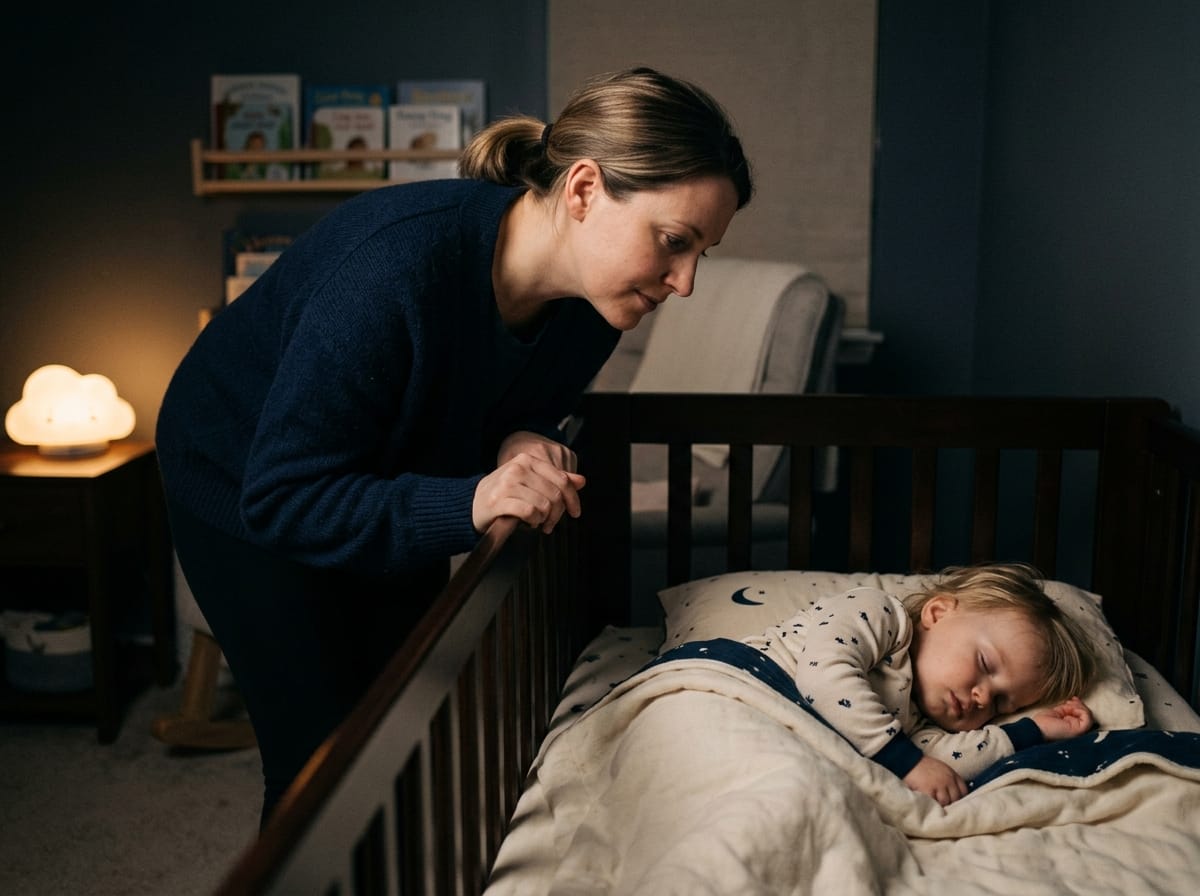
Protect your child’s sleep as deliberately as you schedule their therapy sessions.
This means resisting the urge to fill every hour with activity during recovery. It means allowing naps without guilt. It means keeping bedtime consistent — the timing of sleep affects the quality of the sleep stages most important for brain repair.
It also means communicating this to family members and carers who may not understand why a child in recovery sleeps so much. Sleep is not inactivity. It is rehabilitation.
Screen time in the hour before bed disrupts the production of melatonin — the hormone that initiates sleep. Reducing screens before sleep is particularly important for children whose neurological recovery depends on high-quality rest.
If your child is on medications that affect sleep — including some antiepileptic drugs — discuss the timing of doses with your medical team. Adjusting when a medication is taken can sometimes significantly improve sleep quality.
Questions to Ask Your Child’s Medical Team
- Is my child’s current sleep duration and quality adequate for neurological recovery?
- Are any of the medications my child is taking likely to affect sleep quality, and is there anything we can do about this?
- Should I be scheduling therapy sessions at a particular time of day to maximise sleep-dependent consolidation?
- Are there signs of sleep disorder I should watch for specifically in my child’s condition?
- Would a referral to a sleep specialist be appropriate given my child’s neurological history?

Frequently Asked Questions About Sleep and Brain Recovery
Does sleep really help children recover from brain illness?
Yes. Research consistently shows that sleep performs critical neurological functions — including clearing inflammatory waste through the glymphatic system, consolidating newly learned skills from therapy, and maintaining the neuroplasticity mechanisms that make rehabilitation possible. Sleep is not passive recovery — it is active brain repair.
How much sleep does a child need during neurological rehabilitation?
Children in neurological recovery typically need more sleep than healthy peers. Toddlers generally need 11–14 hours including naps, preschool children 10–13 hours, and school-age children 9–12 hours. Increased sleep in a recovering child is usually a healthy sign, not a cause for concern.
Can too little sleep slow down my child’s rehabilitation progress?
Yes. Sleep deprivation impairs the memory consolidation and neuroplasticity processes that make therapy effective. Research shows that motor skills practised before sleep consolidate significantly better than those practised at other times. Inadequate sleep can undermine the gains made in therapy sessions.
Should therapy sessions be scheduled at a specific time of day?
Research on sleep and motor learning suggests that skills learned before a sleep period consolidate more effectively. Afternoon therapy sessions followed by night-time sleep may be more effective than early morning sessions for this reason. Discuss scheduling with your rehabilitation team.
The physiotherapist’s words stayed with me for a long time. The sleep is part of the therapy. In some ways it is the most important part.
I eventually stopped waking him for the early session. We moved therapy to the afternoon. He slept later and better. The gains he made in the weeks that followed were the most consistent we had seen.
I cannot prove that the sleep was the reason. But the research I have read since then makes me believe it played a larger role than anyone thought to tell me at the time.
Protect the sleep. It is doing more than it looks like it is doing.
This article is for informational purposes only and does not constitute medical advice. Always consult your neurologist, paediatrician, or rehabilitation team for guidance specific to your child’s situation. Read our full disclaimer: braincarepath.com/disclaimer/
Bibliography
- Stickgold R. Sleep-dependent memory consolidation. Nature. 2005;437(7063):1272-1278. Available at PubMed
- Xie L, Kang H, Xu Q, et al. Sleep drives metabolite clearance from the adult brain. Science. 2013;342(6156):373-377. Available at PubMed
- Tononi G, Cirelli C. Sleep and the price of plasticity: from synaptic and cellular homeostasis to memory consolidation and integration. Neuron. 2014;81(1):12-34. Available at PubMed
- Frank MG, Heller HC. The function(s) of sleep. Handb Exp Pharmacol. 2019;253:3-34. Available at PubMed