
Key Takeaways
- Steroids suppress the brain’s inflammatory response to infection.
- Clinical evidence supports their use in bacterial and TB meningitis.
- Steroid courses in TB meningitis typically run for four to eight weeks, after which they are gradually tapered rather than stopped abruptly.
- Steroids reduce the inflammation that can obstruct CSF drainage and contribute to hydrocephalus.
Medically reviewed by Dr. Sohaib Zafar Malik, Pharmaceutical Scientist & Medical Reviewer
Steroids in Brain Inflammation: What Research Truly Shows Families
Key Takeaways
- Corticosteroids are commonly added to TB meningitis treatment specifically to reduce brain inflammation and lower intracranial pressure — not just to treat the infection
- Clinical trials show steroids reduce mortality and severe neurological complications in bacterial and tuberculous brain infections when started early
- Parents are rarely told what steroids are actually doing inside the brain — understanding this changes how families participate in their child’s recovery
Quick answer: Corticosteroids are commonly added to TB meningitis treatment specifically to reduce brain inflammation and lower intracranial pressure — not just to treat the infection. Clinical trials show steroids reduce mortality and severe neurological complications in bacterial and tuberculous brain infections when started early.
The doctor wrote two things on the prescription that morning.
First was a TB medicine. Second was steroids. I asked what the steroids were for. He said: to reduce the swelling. I nodded as though I understood exactly what swelling meant in the context of a child’s brain.
I did not understand. Not really. Not until I spent weeks reading research papers at night after my son had fallen asleep. I pieced together what the steroids were doing, why the doctors had added them, and what the evidence said about their role.
This article is what I learned. I wrote it for every parent who nodded in that consultation room without fully understanding why their child’s treatment included steroids alongside the antibiotics or anti-TB medicines.

Why Steroids Are Used in Brain Infections
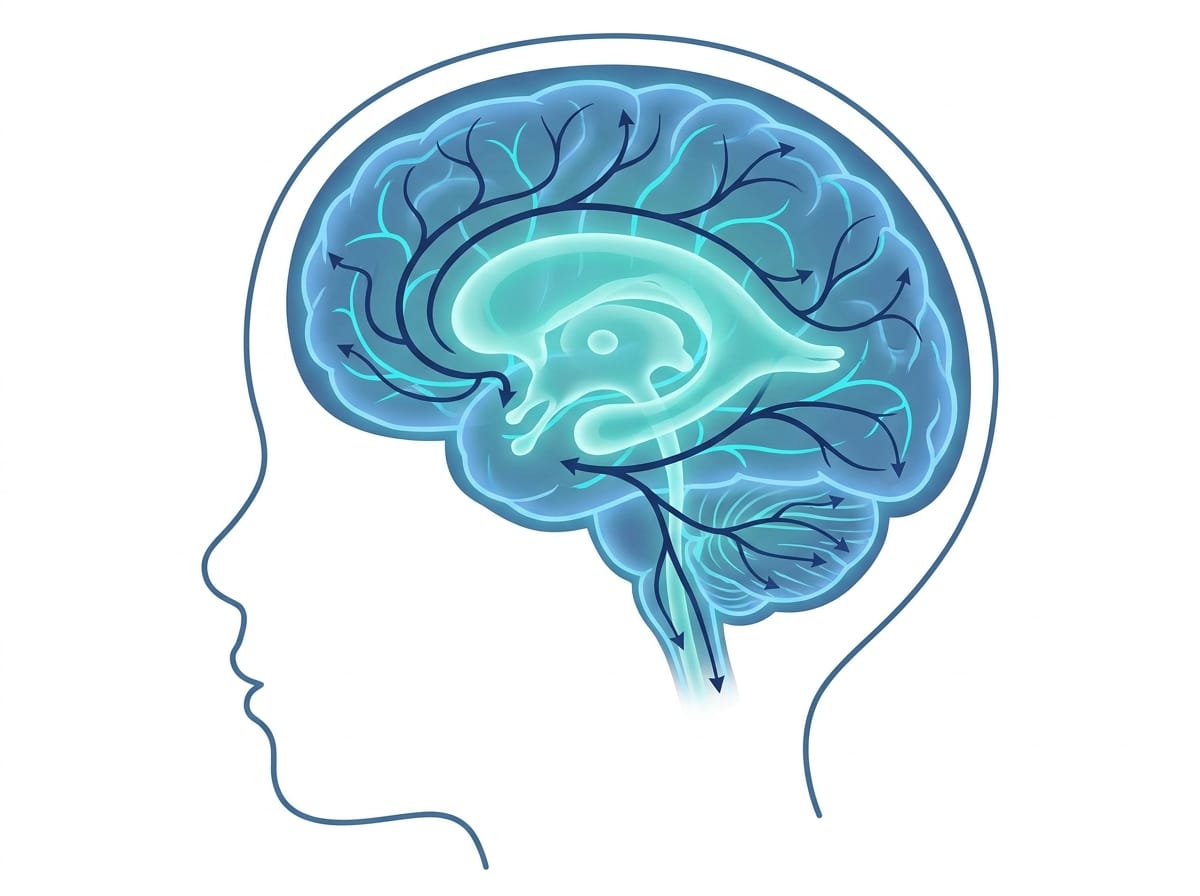
When a bacterial or TB infection reaches the brain, the immune system responds aggressively. Immune cells flood the meninges — the membranes surrounding the brain and spinal cord. This immune response is necessary to fight the infection. But it also causes significant inflammation.
That inflammation swells the delicate tissue around the brain. It can obstruct the flow of cerebrospinal fluid (CSF) — the clear liquid that normally circulates freely around the brain. When CSF cannot drain properly, it accumulates. Pressure builds inside the skull.
This is one of the pathways through which bacterial meningitis and TB meningitis cause hydrocephalus. Infection triggers inflammation. That inflammation obstructs CSF flow. This obstruction causes hydrocephalus.
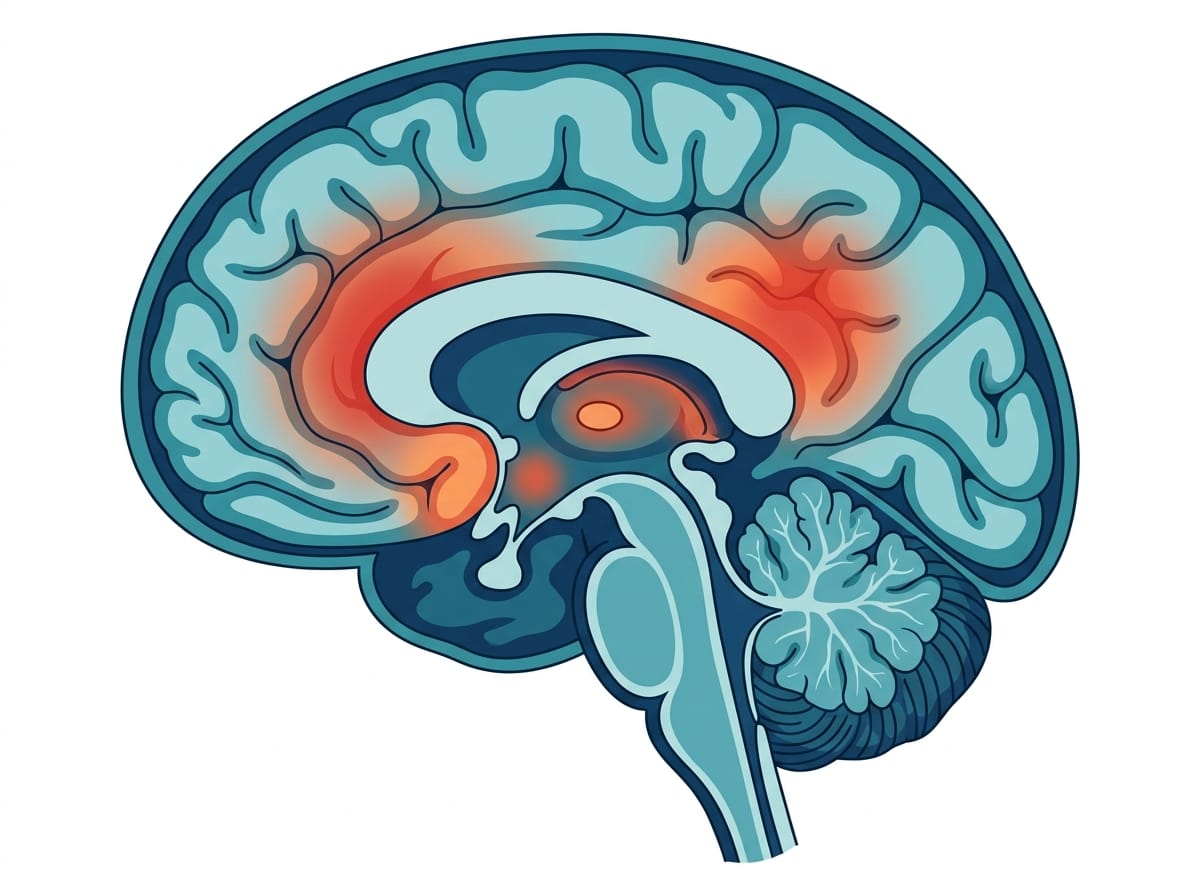
Corticosteroids — most commonly dexamethasone — work by suppressing this inflammatory response. They do not treat the infection directly. The antibiotics or anti-TB medicines do that. Steroids reduce the collateral damage the immune response causes to the brain’s surrounding structures.
The Difference Between Treating the Infection and Treating the Inflammation
This distinction matters for families. Parents understandably focus on the infection — on killing the bacteria or the TB bacillus. The antibiotics or TB medicines handle that. But the neurological damage in meningitis often comes not from the bacteria themselves but from the brain’s own inflammatory reaction to them.
Steroids interrupt that reaction. Steroids reduce the edema (swelling) around the brain and lower intracranial pressure. This helps protect the developing brain throughout the treatment period.
What the Research Actually Shows
A landmark randomised controlled trial by Thwaites et al. in the New England Journal of Medicine (2004) examined the effect of dexamethasone in tuberculous meningitis in adolescents and adults. The trial found that dexamethasone significantly reduced the risk of death — from 41.3% in the placebo group to 28.8% in the dexamethasone group. The benefit was consistent across disease severity categories. Available at PubMed.
A Cochrane systematic review by Prasad et al. examined corticosteroids for managing tuberculous meningitis across multiple randomised trials. It found that steroids reduced mortality and the risk of death or disabling residual neurological deficit in people with TB meningitis. The effect was most pronounced in those with severe disease. Available at PubMed.
Earlier research by Schoeman et al. in Pediatrics examined the effect of corticosteroids on intracranial pressure and CT findings in young children with TB meningitis. Children treated with steroids showed measurable reduction in intracranial pressure on imaging — a direct demonstration of the mechanism behind their clinical benefit. Available at PubMed.
I want to be honest about what the research does not fully resolve. Most major trials enrolled adults or older children. Extrapolating to very young children and toddlers requires clinical judgement — the evidence base specific to this age group is thinner. This is worth asking your treating team about directly.

What This Means for Your Family
If your child is receiving steroids alongside treatment for meningitis, TB or brain infection — the steroids are doing meaningful work. They are not supplementary. They are part of the primary neurological protection strategy.
The length of the steroid course matters. Doctors typically give steroids for the first weeks of treatment, then gradually taper the dose rather than stopping abruptly. Abrupt discontinuation can cause rebound inflammation.
During steroid treatment, your child’s immune system becomes suppressed. This affects their susceptibility to other infections. Watch for fever, unusual infections, or signs of secondary illness during this period. Report them promptly.
Steroids also cause predictable side effects that parents should know about. These include increased appetite and thirst, mood changes, and in longer courses, effects on bone density and growth. The medical team manages and monitors these effects. They are not reasons to discontinue steroids without medical guidance — the benefit typically outweighs these effects in the context of brain infection.
Questions to Ask Your Child’s Medical Team
- Why specifically were steroids added to my child’s treatment — what are they targeting?
- How long will the steroid course run, and how will it be tapered?
- What signs should I watch for that might indicate the steroids are not controlling the inflammation adequately?
- Are there specific side effects I should monitor at home during this period?
- Will brain imaging be repeated to assess whether the inflammation and intracranial pressure have reduced?
- At what point will steroids be stopped, and what does the weaning schedule look like?

Frequently Asked Questions About Steroids in Brain Infections
Why do doctors add steroids to antibiotic or TB treatment for meningitis?
Steroids suppress the brain’s inflammatory response to infection. In meningitis, the immune system’s reaction to bacteria or TB can cause swelling that obstructs cerebrospinal fluid flow and raises intracranial pressure. Steroids reduce this inflammation. Clinical trials show they lower the risk of death and severe neurological complications.
Are steroids safe for children with brain infections?
Clinical evidence supports their use in bacterial and TB meningitis. Steroids do carry side effects — immune suppression, mood changes, and appetite increase. In the context of brain infection, the neurological protection they provide outweighs these risks. Your medical team monitors for side effects throughout the course.
How long are steroids given in TB meningitis treatment?
Steroid courses in TB meningitis typically run for four to eight weeks, after which they are gradually tapered rather than stopped abruptly. The exact duration depends on clinical response and the severity of disease. Abrupt stopping can cause rebound inflammation, so doctors always taper the dose gradually.
Can steroids help prevent hydrocephalus in TB meningitis?
Steroids reduce the inflammation that can obstruct CSF drainage and contribute to hydrocephalus. Early steroid treatment correlates with lower rates of severe neurological complications, including hydrocephalus. They do not prevent all cases — but the evidence for their protective role is consistent across major clinical trials.
My son received TB medicines and steroids together. For weeks I thought of the steroids as secondary — as something added to manage side effects of the main treatment. Reading the research changed my understanding. The steroids were working on the most urgent problem: the inflammation pressing against his brain.
Understanding what each medicine is doing does not change the prescription. But it changes how a parent watches, waits, and advocates through the treatment.
That understanding matters more than I was told it would.
This article is for informational purposes only and does not constitute medical advice. Always consult your neurologist, paediatrician, or infectious disease specialist for guidance specific to your child’s situation. Read our full disclaimer: braincarepath.com/disclaimer/
Bibliography
- Thwaites GE, Nguyen DB, Nguyen HD, et al. Dexamethasone for the treatment of tuberculous meningitis in adolescents and adults. N Engl J Med. 2004;351(17):1741-1751. Available at PubMed
- Prasad K, Singh MB, Ryan H. Corticosteroids for managing tuberculous meningitis. Cochrane Database Syst Rev. 2016;4:CD002244. Available at PubMed
- Schoeman JF, Van Zyl LE, Laubscher JA, Donald PR. Effect of corticosteroids on intracranial pressure, computed tomographic findings, and clinical outcome in young children with tuberculous meningitis. Pediatrics. 1997;99(2):226-231. Available at PubMed
- Brouwer MC, McIntyre P, Prasad K, van de Beek D. Corticosteroids for acute bacterial meningitis. Cochrane Database Syst Rev. 2015;9:CD004405. Available at PubMed