

Medicaid Coverage for Hydrocephalus: A Parent’s Guide
By Haris Bin TahirFather of a hydrocephalus survivor. Independent researcher.Founder, Brain Care Path · braincarepath.com Quick answer: Medicaid coverage for
By Haris Bin TahirFather of a hydrocephalus survivor. Independent researcher.Founder, Brain Care Path · braincarepath.com Quick answer: Medicaid coverage for

Epilepsy and puberty – why seizure patterns change, how hormones affect control, medication dose changes, and the independence conversation.
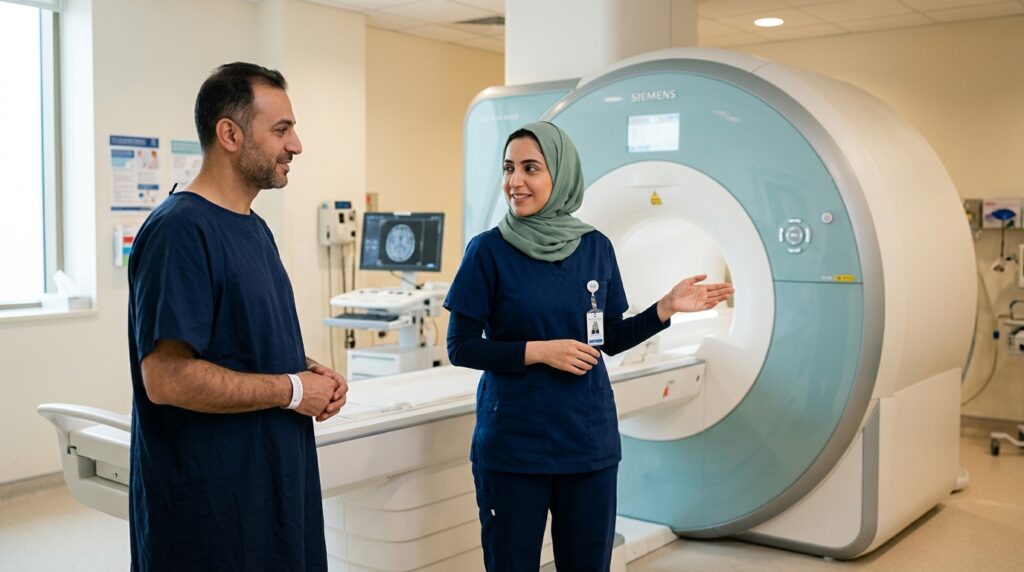
Is MRI safe with a programmable shunt? What actually happens to the valve setting, what must be done afterwards, and what to tell the radiographer.

Flying with a VP shunt or epilepsy – cabin pressure, airport security, medication across time zones, and what to carry.

Sports with a VP shunt – which activities are safe, which need caution, and why most children should be encouraged to play.

Pregnancy with a VP shunt – what the risks actually are, how delivery is planned, and what to arrange before trying to conceive.

Working with epilepsy or a shunt – whether to tell your employer, what adjustments you can request, and what legal protection exists.

Driving with epilepsy – how seizure-free periods work, what you must declare, and what happens to your licence after a seizure.

Hydrocephalus transition to adult care – when it happens, what changes, and how young people avoid falling through the gap between services.

How a child’s diagnosis strains a marriage – why couples drift apart, the patterns that damage relationships, and what genuinely helps.
In Collaboration With