
Key Takeaways
- Yes, this is a very common and well-documented experience among siblings of children with chronic health conditions.
- Give honest, simple, age-appropriate information rather than vague reassurance.
- Age-appropriate inclusion — knowing basic seizure first aid steps if they are old enough, for example — can help siblings feel capable rather than frightened and excluded.
Supporting Siblings: Helping Brothers and Sisters Cope When a Child Has Hydrocephalus or Epilepsy
By Haris Bin Tahir
Father of a hydrocephalus survivor. Independent researcher. Not a doctor.
Founder, Brain Care Path · braincarepath.com
Quick answer: Siblings of children with a chronic neurological condition commonly experience jealousy, protectiveness, guilt, and a sense of being overlooked — this is normal, not a sign of a bad sibling relationship.
Key Takeaways
- Siblings of children with a chronic neurological condition commonly experience jealousy, protectiveness, guilt, and a sense of being overlooked — this is normal, not a sign of a bad sibling relationship
- Research indicates that more than half of siblings in similar family situations report feelings of unhappiness or irritability at times
- Dedicated one-on-one time, even in small amounts, makes a measurable difference in how supported siblings feel
- Age-appropriate, honest explanations of the condition tend to work better than vague reassurance or silence
- Dedicated sibling support programs and resources exist specifically for this — you do not have to figure this out alone
So much of the attention after a hydrocephalus or epilepsy diagnosis — understandably — goes to the child directly affected: appointments, therapies, medications, monitoring. It is easy, in the middle of all of that, for a brother or sister standing quietly to one side to become the child whose needs get addressed last, if they get named at all.
This article is about that sibling — what they are likely feeling, even if they never say it directly, and practical, doable ways to make sure they feel seen too.
What Siblings Often Feel and Don’t Say

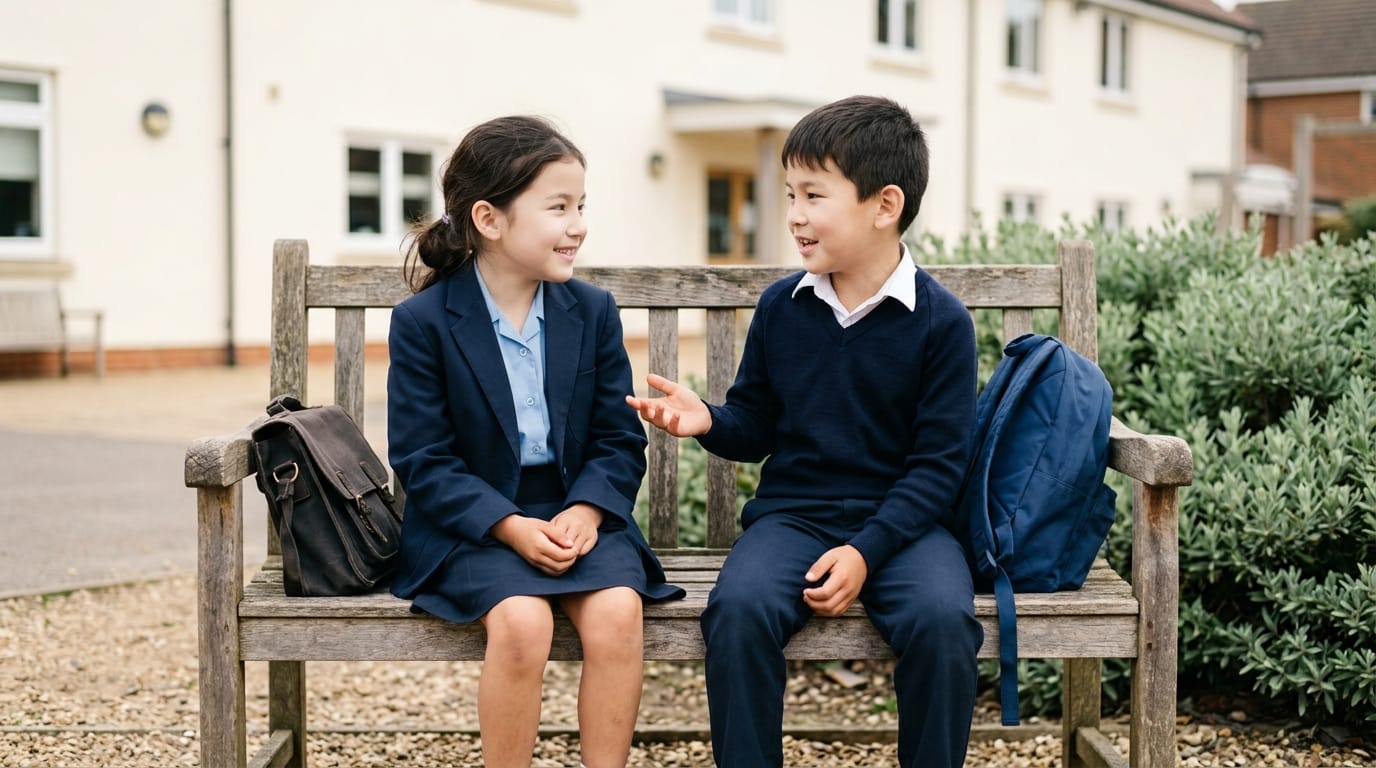
Siblings of children with special health needs commonly experience a genuine mix of emotions that can be hard for them to name, let alone say out loud: embarrassment in front of friends, fierce protectiveness, frustration when a sibling “gets away with things they can’t,” and guilt for feeling frustrated at all. Research on siblings in similar family situations has found that over half report feelings of unhappiness or irritability, alongside real love and closeness — these things coexist, and neither cancels the other out.
Siblings also frequently downplay their own achievements or struggles, sensing — often correctly, if unintentionally — that the family’s attention and worry are stretched thin. None of this means something has gone wrong in your family. It means your other child is having a real, valid emotional experience of their own that deserves the same attention their sibling’s medical needs receive.
Giving Siblings Dedicated One-on-One Time

It does not need to be elaborate or expensive. A regular, protected block of one-on-one time — even twenty minutes, even just once a week, consistently — sends a message that lands more deeply than most parents expect: that this sibling matters as an individual, not just as a member of “the family dealing with a diagnosis.” Let your sibling choose the activity when you can. Being asked what they want, rather than told what to do, is part of what makes the time feel like theirs.
Explaining the Condition in Age-Appropriate Ways
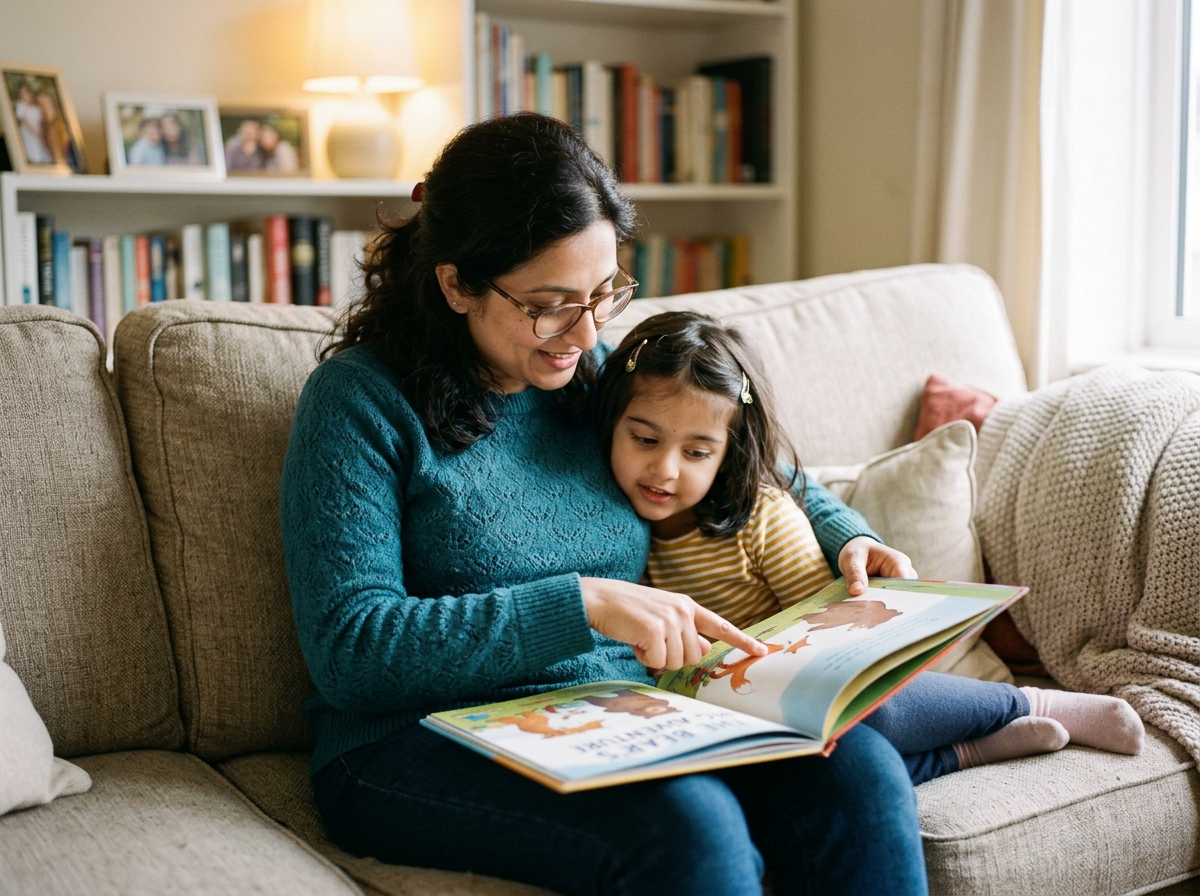
Honest, age-appropriate explanations tend to serve siblings far better than vague reassurance or avoidance. Young children often fill silence with their own — sometimes frightening — explanations if they are not given real information. A simple, clear explanation (“Her brain needs extra help moving fluid, and the doctors put in a small tube called a shunt to help it” or “His brain sometimes sends signals that cause a seizure, and we know exactly what to do when that happens”) gives siblings something solid to hold onto instead of uncertainty.
Revisit the conversation as your sibling gets older and asks more sophisticated questions — this is not a single conversation to get through once, but an ongoing, evolving one across childhood.
Where to Find Dedicated Sibling Support
You do not need to navigate this alone. Organizations such as the Sibling Support Project offer resources specifically dedicated to the lifelong, evolving needs of brothers and sisters of children with health and developmental conditions, and condition-specific groups — including programs focused on epilepsy families — provide resources like emergency planning guides, journals, and educational materials designed with siblings, not just parents, in mind.
What This Means for Your Family
Supporting a sibling well does not require perfection or unlimited time — most families managing a chronic diagnosis simply do not have either to spare. It requires noticing, naming their feelings out loud sometimes so they know it is safe to have them, and finding small, consistent ways to make sure they know they are not invisible in a family where so much attention is, understandably, pulled elsewhere.
Questions to Ask Your Child’s Care Team or a Family Counselor
- Are there sibling-specific support groups or resources you would recommend for our family?
- How would you suggest we explain our child’s condition to a younger sibling as they grow older?
- Are there signs of sibling stress we should be watching for that might need professional support?
Frequently Asked Questions About Supporting Siblings
Is it normal for my other child to seem jealous or resentful?
Yes, this is a very common and well-documented experience among siblings of children with chronic health conditions. It does not reflect badly on your child or your parenting — it reflects a genuinely hard family situation that is worth actively addressing, not a character flaw to correct.
How much should I tell a young sibling about their brother or sister’s condition?
Give honest, simple, age-appropriate information rather than vague reassurance. Children often imagine something scarier than the truth when left without real explanations, and revisiting the conversation as they grow tends to work better than one single, overly detailed talk.
Should siblings be included in medical appointments or emergency planning?
Age-appropriate inclusion — knowing basic seizure first aid steps if they are old enough, for example — can help siblings feel capable rather than frightened and excluded. What is appropriate depends heavily on the sibling’s age and comfort level, and is worth discussing with your care team.
The sibling standing quietly in the corner of a hospital room, or waiting patiently through another appointment, is carrying something real too. A little consistent attention — noticing, naming, and protecting even small pockets of time just for them — goes further than most parents realize, for a child who so often puts their own needs last without ever being asked to.
This article is for informational purposes only and does not constitute medical or psychological advice. If a sibling is showing signs of significant distress, consider speaking with a family counselor or your child’s care team. Read our full disclaimer: braincarepath.com/disclaimer/
Bibliography
- Pediatric Epilepsy Surgery Alliance. Sibling Support. Available at epilepsysurgeryalliance.org.
- CURE Epilepsy. Growing Up Alongside a Sibling with Epilepsy. Available at cureepilepsy.org.