
Key Takeaways
- Photosensitive epilepsy represents a small minority of all epilepsy cases.
- For most children with epilepsy, this is not necessary.
- Photosensitive triggers specifically affect children diagnosed as photosensitive.
Epilepsy and Screen Time: Do Video Games and Flashing Lights Trigger Seizures?
By Haris Bin Tahir
Father of a hydrocephalus survivor. Independent researcher. Not a doctor.
Founder, Brain Care Path · braincarepath.com
Quick answer: Photosensitive epilepsy — seizures triggered by flashing lights or patterns — is real, but it affects only a small minority of people with epilepsy. Most children with epilepsy are not photosensitive, and screens do not trigger their seizures.
Key Takeaways
- Photosensitive epilepsy — seizures triggered by flashing lights or patterns — is real, but it affects only a small minority of people with epilepsy
- Most children with epilepsy are not photosensitive, and screens do not trigger their seizures
- Modern games and broadcasters follow flash-rate guidelines specifically designed to reduce seizure risk
- If your child has been formally diagnosed as photosensitive, specific precautions around brightness, distance, and lighting genuinely matter
- General healthy screen-time habits are still worthwhile for sleep and overall wellbeing, separate from seizure risk
Somewhere between a diagnosis and a Saturday afternoon, almost every parent thinking about epilepsy screen time asks the same question while watching their child reach for a game controller or a tablet: is this safe? Video games, in particular, carry a reputation — deserved in a narrow set of cases, wildly overstated in most others — for triggering seizures.
Getting epilepsy screen time right means separating the real, well-documented risk (photosensitive epilepsy) from the much larger population of children with epilepsy for whom screens are simply not a seizure trigger at all — and gives practical guidance either way.
What Photosensitive Epilepsy Actually Is
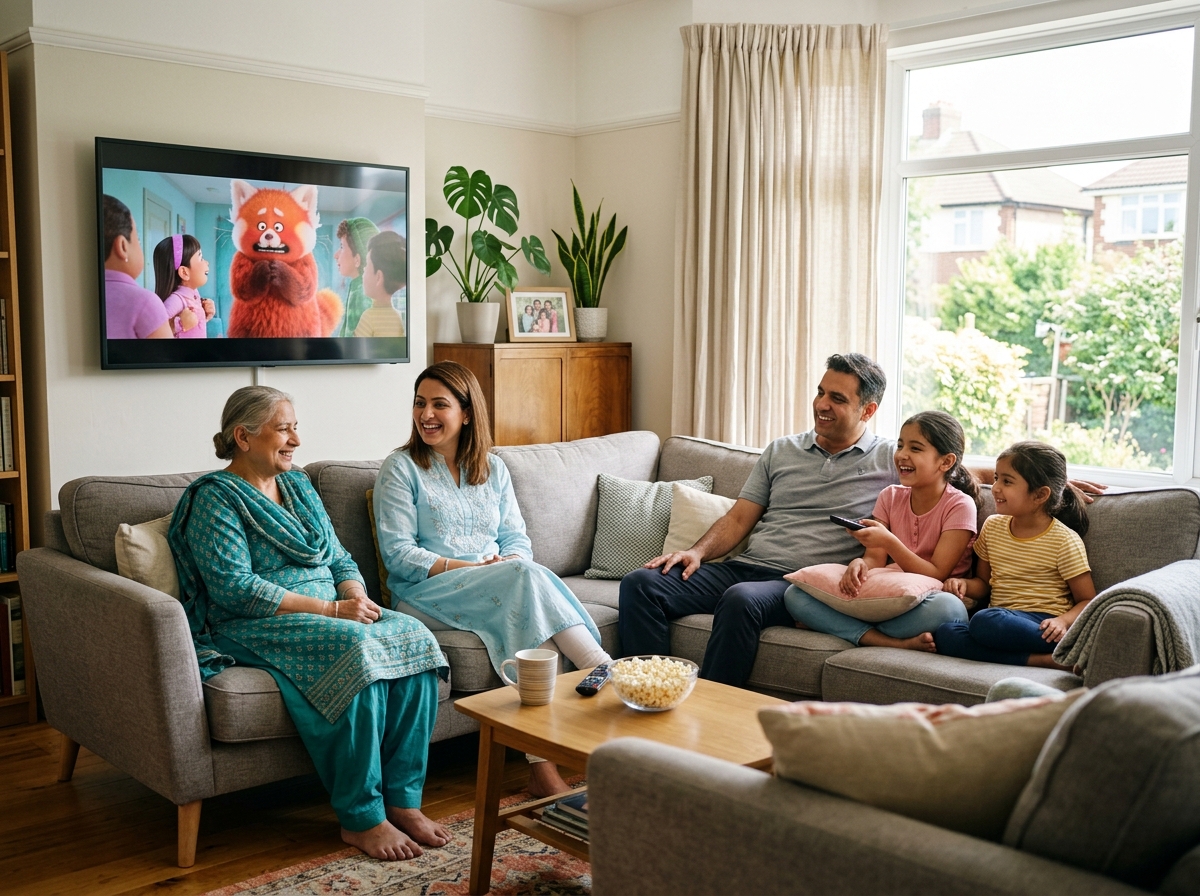
Photosensitive epilepsy is a specific type of epilepsy in which seizures can be triggered by flashing lights, high-contrast patterns, or certain rapidly changing visual stimuli. It is a genuine, well-studied phenomenon — but it represents a minority of all epilepsy cases. The large majority of children with epilepsy are not photosensitive at all, and their seizures are triggered by entirely different factors, if any identifiable trigger exists.
This distinction matters enormously for day-to-day life, because it changes the entire conversation: for a photosensitive child, specific visual triggers are a real and manageable risk factor; for a non-photosensitive child, restricting screen time out of seizure fear alone is often unnecessary.
How to Know If Your Child Is Photosensitive
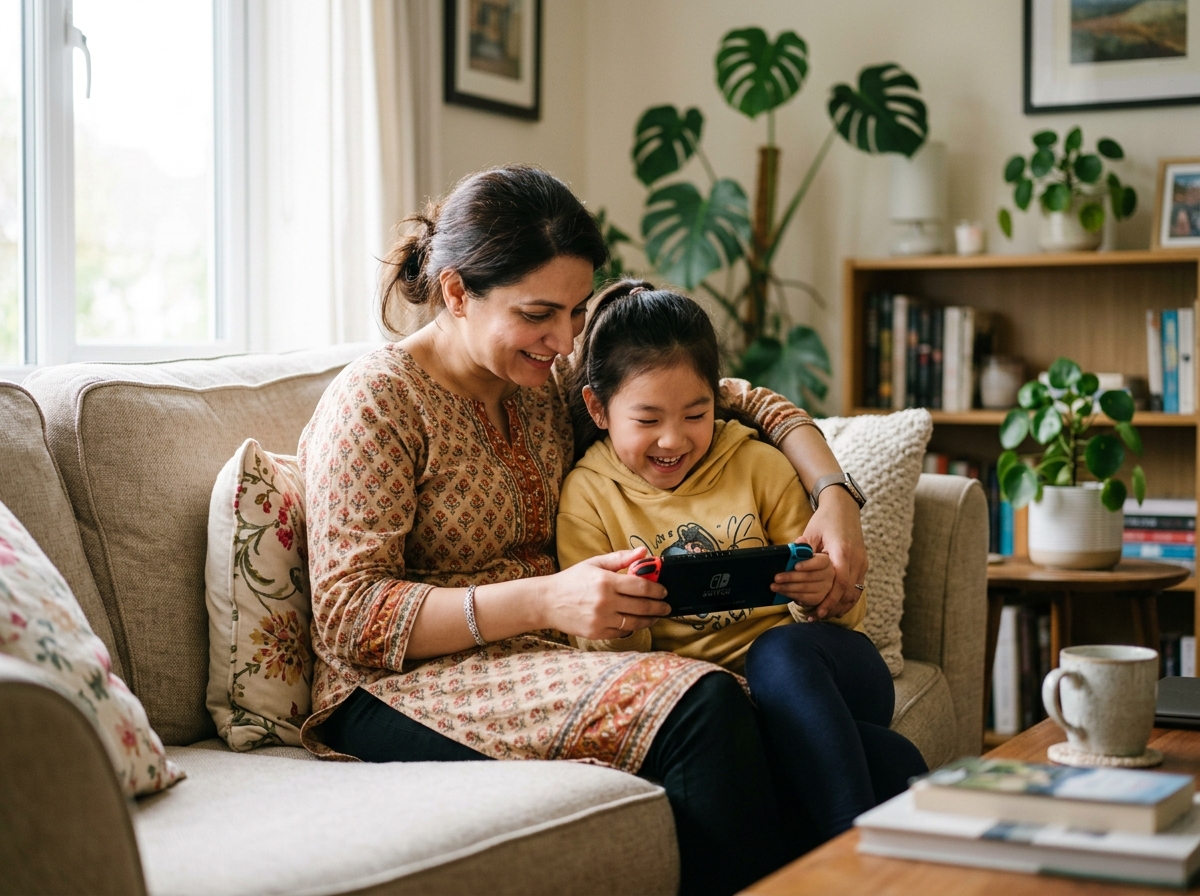
Photosensitivity is a formal diagnosis, typically confirmed through an EEG test that includes intermittent light stimulation — not something to self-diagnose based on a single video game session. If your child has had a seizure that seemed to coincide with a screen, flashing lights, or a similar visual trigger, tell your neurologist specifically; this detail can prompt targeted testing that changes both the diagnosis and the guidance you receive.
What the Industry Already Does About This
Since the well-publicized “Pokémon shock incident” in Japan in the 1990s, television broadcasters and game developers have followed formal guidelines limiting flash rates and high-contrast pattern changes specifically to reduce seizure risk for photosensitive viewers. Most mainstream games and shows a child encounters today are already built within these safety limits — which is one reason photosensitive seizure triggers from ordinary screen use are less common than the public perception around them suggests.
Practical Guidance If Your Child Is Photosensitive
- Watch and play in a well-lit room rather than in the dark — reducing screen-to-room contrast lowers risk
- Sit farther from the screen, and use a smaller screen where practical
- Cover one eye briefly if flashing content appears unexpectedly — this has been shown to reduce the brain’s photosensitive response
- Avoid screens entirely during illness or sleep deprivation, when seizure threshold is generally lower
- Ask your neurologist about specific game or content settings, including reduced-flash or accessibility modes some platforms now offer
Epilepsy Screen Time: Healthy Guidance for Every Child

Separate from photosensitivity, general screen-time habits are still worth attention for children with epilepsy — mostly because good sleep is one of the more consistently identified factors in seizure management, and excessive late-evening screen use can interfere with sleep quality. This is a wellbeing conversation, not a seizure-trigger one, and it is worth keeping those two reasons distinct so screens are not blamed for something they are not actually causing.
Questions to Ask Your Neurologist
- Has our child been formally tested for photosensitivity?
- If they are photosensitive, are there specific settings, distances, or lighting precautions you recommend?
- Are there other identified triggers for our child’s seizures we should be watching for instead?
Frequently Asked Questions About Epilepsy and Screen Time
What percentage of people with epilepsy are photosensitive?
Photosensitive epilepsy represents a small minority of all epilepsy cases. It is more commonly identified in children and adolescents than in adults, but it still applies to only a limited subset of people with epilepsy overall.
Should we ban video games entirely to be safe?
For most children with epilepsy, this is not necessary. Unless your child has been diagnosed as photosensitive or has had a seizure clearly linked to visual triggers, blanket screen bans are usually not medically indicated and can unnecessarily limit a normal part of childhood.
Can strobe lights at parties or concerts be a risk even for non-photosensitive children?
Photosensitive triggers specifically affect children diagnosed as photosensitive. If your child has not been diagnosed as photosensitive, strobe lighting is not a known seizure trigger for them — though general factors like sleep deprivation and excitement at a late event could still matter for overall seizure threshold.
Screens are one of the most feared and least understood epilepsy triggers among parents — largely because the small, real risk of photosensitive epilepsy gets applied, by worry, to every child with the condition. Getting a clear answer from your neurologist about whether photosensitivity actually applies to your child changes this from a source of constant anxiety into a manageable, specific precaution — or, for most families, no restriction at all.
This article is for informational purposes only and does not constitute medical advice. Ask your child’s neurologist whether photosensitivity testing is appropriate for your child. Read our full disclaimer: braincarepath.com/disclaimer/
Related Reading
- Seizure Action Plan for School: Free Template
- Seizure Detection Wearables: What New Research Shows Parents
Bibliography
- Epilepsy Foundation. Epilepsy for Parents and Caregivers. Available at epilepsy.com.
- Nemours KidsHealth. Talking to Kids about Epilepsy. Available at epilepsy.com.