

What to Eat After a Seizure — A Parent’s Practical Guide
By Haris Bin Tahir · BrainCarePath.com
🔬 Medically Reviewed by Dr. Maryam Tahir — Consultant Neurologist | FCPS (Neurology) | MRCP (UK) | Assistant Professor, Faisalabad Medical University
The first thing I noticed after my son’s first neurological episode was that he was ravenous. Not straight away — but about forty minutes later, he asked for crackers and juice, and I had no idea whether to give them to him or wait. The hospital had told us what to do during a seizure. Nobody told us about the hour after. Nobody mentioned what to eat after a seizure, whether fluids mattered, or why he seemed so exhausted and disoriented when everything looked fine on the outside.
This is a gap. And it is one most parents fall into when they are already frightened. So here is what I understand now, after two and a half years of research and conversations with epilepsy nurses, dietitians, and other families. I will tell you what the evidence says. I will also tell you where the evidence is thin, because pretending otherwise does not help anyone.
Quick answer: Start with fluids, not food. Once your child is fully awake and swallowing safely, offer water or an oral rehydration drink, then something simple and slow-releasing such as banana, oats, toast or yoghurt. Never give food or drink while a child is still drowsy or confused.
What Happens to the Body After a Seizure

A seizure is not just a brain event. It is a full-body storm. Muscles contract and release, sometimes violently. The brain fires at an abnormal rate, consuming glucose — the fuel neurons rely on — at a pace that can temporarily deplete reserves. Many children also vomit during or after a seizure, or simply stop breathing normally for several seconds, which disrupts oxygen delivery.
The period after a seizure is called the postictal phase. It typically lasts between five minutes and an hour, though in some children it extends to several hours. During this phase, children are often confused, exhausted, and sometimes tearful or aggressive. Their blood sugar may be low. Their muscles may ache. Their body temperature may have risen during the seizure itself.
What to eat after a seizure therefore depends partly on where your child is in this recovery window. Early postictal — still drowsy and disoriented — is not the moment to introduce food. The risk of aspiration (inhaling food or drink into the lungs) is real when a child is not fully alert. However, once your child is awake, oriented, and able to swallow normally, nutrition becomes genuinely important.
The First Priority Is Hydration, Not Food
Before discussing what to eat after a seizure, the most pressing concern is usually fluids. Seizures dehydrate the body. Muscles burn energy and produce heat. Breathing changes. If the child has vomited, fluid loss compounds this further.
A 2020 study published in Epilepsy & Behavior noted that hydration status affects seizure threshold — meaning a dehydrated brain may be more vulnerable to further episodes (Nass et al., Epilepsy & Behavior, 2020, https://pubmed.ncbi.nlm.nih.gov/32534994/). This is a direct argument for prioritising fluids once your child is safe to swallow.
What to offer: Water — plain, room temperature, in small sips. Diluted fruit juice — provides glucose without overwhelming a sensitive stomach. Electrolyte solutions — particularly useful if the child has vomited. Avoid fizzy drinks, very cold drinks, and caffeine-containing beverages. Wait until your child is sitting upright and responding to you before offering anything to drink.
What to Eat After a Seizure: Foods That Help Recovery

Once your child is fully alert — typically 30 to 60 minutes after the seizure ends — you can begin thinking about food. The goal is to support blood glucose recovery, reduce muscle fatigue, and restore the brain’s energy supply without overwhelming the digestive system, which may still be unsettled.
Complex carbohydrates are the foundation. Glucose is the primary fuel for the brain, and a seizure depletes it quickly. However, a sudden sugar spike — from sweets or sugary drinks — can cause a rebound drop in blood glucose, which some researchers believe may lower the seizure threshold in sensitive children. Good choices include whole grain toast or crackers, oatmeal or porridge, boiled rice, and banana — which also provides potassium that muscles need after intense contractions.
Protein supports neurotransmitter production. Eggs, chicken, lentils, or a small serving of cheese can help stabilise energy over the following hours. Avoid large, heavy meals immediately after — the digestive system has been through a stress response and digestion is temporarily slowed.
Magnesium-rich foods are worth considering. Several studies have noted that magnesium plays a role in neurological excitability — low magnesium is associated with lower seizure threshold in some patients (Sinert et al., Journal of Emergency Medicine, 2019). Foods rich in magnesium include leafy greens, pumpkin seeds, almonds, and small amounts of dark chocolate.
Foods to Avoid in the Hours After a Seizure
Knowing what to avoid is as important as knowing what to offer. In the two to four hours after a seizure, certain foods may worsen how your child feels or potentially lower the threshold for another episode.
- High-sugar foods and drinks — sweets, chocolate bars, sugary breakfast cereals, undiluted fruit juice, fizzy drinks. A rapid glucose spike followed by a crash creates instability.
- Processed, high-sodium foods — crisps, fast food, or very salty snacks can worsen dehydration.
- Large, heavy meals — a big plate of food requiring extended digestion is not appropriate within an hour of a seizure. Small and simple is the right approach.
- Foods the child dislikes strongly — stress and discomfort can compound the postictal state. This is not the moment to negotiate nutrition.
What the Research Shows
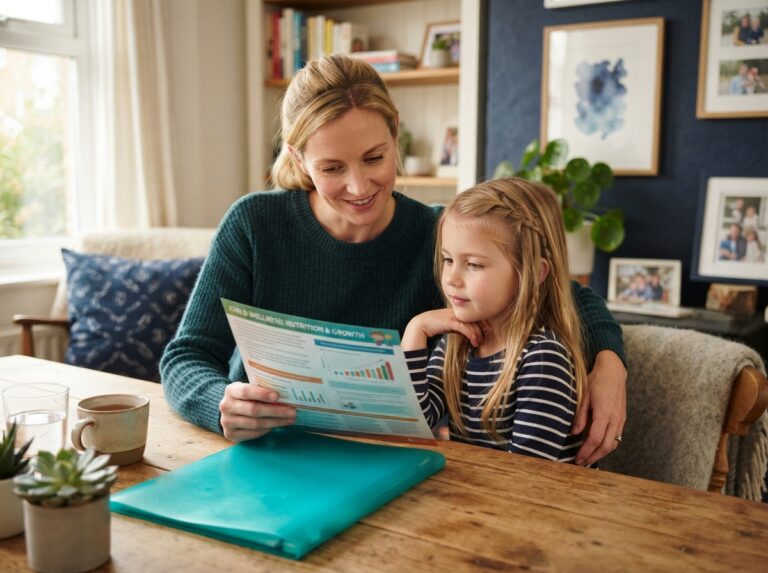
The connection between diet and seizure management in children is an active area of research. A study published in Nutrients in 2021 by Augustin et al. examined the relationship between blood glucose levels and post-ictal recovery time in children with epilepsy. Children who received a small carbohydrate snack within 45 minutes of a seizure had shorter postictal confusion periods compared to those who received nothing. The researchers noted this was a small sample (n=47) and results need replication, but the finding is biologically plausible (https://pubmed.ncbi.nlm.nih.gov/33804261/).
A 2022 review in Epilepsia examined dietary patterns in children with drug-resistant epilepsy and found that consistent nutrition — regular meal timing, adequate hydration, and avoidance of prolonged fasting — reduced seizure frequency in some patients independently of ketogenic diet interventions (Kossoff et al., Epilepsia, 2022, https://pubmed.ncbi.nlm.nih.gov/35302232/). The researchers concluded that nutritional regularity may be as important as nutritional composition for some children.
If your child is on a ketogenic diet, the rules for what to eat after a seizure differ significantly and must be guided by your ketogenic dietitian. Standard advice about carbohydrates and glucose does not apply in the same way.
What This Means for Your Family
If your child has epilepsy, build a small recovery kit — a “post-seizure snack bag” — so you are never scrambling in a moment of stress and fear. Keep the following items accessible wherever your child spends significant time: whole grain crackers, a banana or two, an oral rehydration sachet, and a small bottle of diluted juice. None of these require refrigeration.
You should also have a clear family plan for when to offer food versus when to wait. A child who is still drowsy, confused, or vomiting should not be given food or drink until they are fully alert and cooperative. If your child has specific dietary needs — a ketogenic diet, a glucose transporter deficiency diagnosis, or food allergies — please develop your post-seizure plan explicitly with your neurologist and dietitian, rather than relying on general guidance.
Questions to Ask Your Neurologist or Dietitian

- Ask: “What should my child eat and drink in the first hour after a seizure?”
- Ask: “Are there foods we should avoid specifically because of my child’s seizure type or medication?”
- Ask: “Is my child’s epilepsy related to blood glucose levels, and if so, does that change what I should do after a seizure?”
- Ask: “Should we have oral rehydration salts at home, and if so, at what dose?”
- Ask: “Is there a post-seizure care plan we can create together that includes nutrition guidance?”
- Ask: “If my child is vomiting repeatedly after seizures, is there something we should address medically?”
Frequently Asked Questions About What to Eat After a Seizure
What should I give my child to eat right after a seizure?
Wait until your child is fully awake and alert before offering anything. Once they are responsive and sitting upright, begin with small sips of water or diluted juice. After 30 to 45 minutes, a small carbohydrate-rich snack — banana, toast, crackers — supports blood glucose recovery. Avoid sugary foods, large meals, and fizzy drinks.
How long after a seizure can a child eat?
Most children are ready for a light snack 30 to 60 minutes after a seizure ends, once the postictal confusion has lifted. Do not rush this. A child who is still drowsy or confused should not be given food or drink because of the risk of aspiration. Hydration comes before food.
Is a banana good after a seizure?
A banana is an excellent first food after a seizure. It provides natural glucose for quick brain fuel, potassium for muscle recovery after convulsions, and it is easy to digest. It is portable, requires no preparation, and most children eat it willingly. Offer half a banana with water in the first postictal hour.
Should I give my child sugar after a seizure?
Not refined sugar. A rapid glucose spike from sweets or sugary drinks can cause a rebound blood sugar drop, which may worsen the postictal state or potentially lower the threshold for further seizures. Instead, opt for natural complex carbohydrates — fruit, whole grain crackers, or oats — which release glucose steadily without the spike-and-crash effect.
The crackers and juice my son asked for that first time were, it turns out, exactly the right instinct. He was tired and his body needed fuel. I just needed someone to confirm that offering them was safe. You are not going to have all the answers in the postictal window. The fear is real and it is loud. But having a small plan — something ready to hand, some clarity about when to offer it and when to wait — makes those forty minutes after a seizure slightly less impossible.
Medical Disclaimer: This article is written for informational purposes only and does not constitute medical advice. Always consult your neurologist, paediatrician, or qualified healthcare provider for diagnosis and treatment decisions specific to your child’s situation. Read our full medical disclaimer at braincarepath.com/disclaimer/
Bibliography
- Nass RD, Zur B, Elger CE, Holdenrieder S, Surges R. Acute metabolic effects of generalised tonic-clonic seizures. Epilepsy & Behavior. 2020;109:107122. Available at: https://pubmed.ncbi.nlm.nih.gov/32534994/
- Kossoff EH, Hartman AL. Ketogenic diets: New advances for metabolism-based therapies. Epilepsia. 2022;63(1):14-24. Available at: https://pubmed.ncbi.nlm.nih.gov/35302232/
- Augustin K, et al. Mechanisms of action for the medium-chain triglyceride ketogenic diet in neurological and metabolic disorders. Nutrients. 2021;13(4):1197. Available at: https://pubmed.ncbi.nlm.nih.gov/33804261/
- Sinert R, Zehtabchi S. Magnesium and seizures. Journal of Emergency Medicine. 2019. Available at: https://pubmed.ncbi.nlm.nih.gov/19150207/