

Key Takeaways
- Stay calm, start timing immediately, move sharp objects away, do not restrain, do not put anything in the mouth, turn gently onto their side once convulsive movements reduce, and observe carefully.
- No.
- Most seizures last between 30 seconds and 3 minutes and stop on their own without intervention.
- No.
Seizure First Aid in Children: Vital Steps Every Parent Must Know
By Haris Bin Tahir
Father of a hydrocephalus survivor. Independent researcher. Not a doctor.
Founder, Brain Care Path · braincarepath.com
Quick answer: Most seizures in children stop on their own within 1–3 minutes — the most important thing a parent can do is stay calm, keep the child safe, and time the seizure from the first moment.
🔬 Medically Reviewed by Dr. Maryam Tahir — Consultant Neurologist | FCPS (Neurology) | MRCP (UK) | Assistant Professor, Faisalabad Medical University
Key Takeaways
- Most seizures in children stop on their own within 1–3 minutes — the most important thing a parent can do is stay calm, keep the child safe, and time the seizure from the first moment
- Two actions commonly believed to help — putting something in the mouth and physically restraining the child — are both wrong and can cause serious harm
- Call emergency services immediately if a seizure lasts longer than 5 minutes, if the child does not regain consciousness after it ends, or if another seizure starts before full recovery
The first one lasted forty seconds.
It felt like forty minutes.
My son stiffened, then his arms and legs began to jerk. I reached out to hold him still — instinct, pure and immediate. Someone in the room said put something in his mouth. I looked for something to use. Later, a nurse would tell me quietly that both of those instincts — restraining and putting something in the mouth — were wrong. Not just unhelpful. Potentially harmful.
Nobody had told me what to do. I had not thought to ask.
This article is what I wish I had read before that forty seconds began. It will not make a seizure less frightening. Nothing does that. But knowledge changes what a frightened parent does — and in a seizure, what you do in the first moments matters.
What Is Actually Happening During a Seizure
A seizure is a sudden, uncontrolled burst of electrical activity in the brain. This burst disrupts normal brain communication and produces the visible changes in movement, awareness, and behaviour that parents observe.
In children with epilepsy, these electrical bursts occur because of a lowered seizure threshold — the brain’s electrical activity crosses a point of stability more easily than in a typical brain.
Seizures look different depending on which part of the brain is affected. A generalised tonic-clonic seizure — the type most people recognise — involves the whole brain and produces stiffening (tonic phase) followed by rhythmic jerking movements (clonic phase). Absence seizures look like brief staring spells. Focal seizures may involve unusual sensations, automatisms (repetitive movements like lip-smacking), or confusion.
Across all types, the fundamental rule is the same: the brain is in an abnormal electrical state that will, in the vast majority of cases, resolve on its own. Your role during a seizure is not to stop it. It is to keep your child safe while it resolves.
The 7 Vital Seizure First Aid Steps
Step 1: Stay With Your Child and Stay Calm
Your presence matters more than anything else you can do. Get down to the child’s level. Stay.
Panic is understandable. It is also the biggest barrier to the steps that follow. Take one deliberate breath before you do anything else.
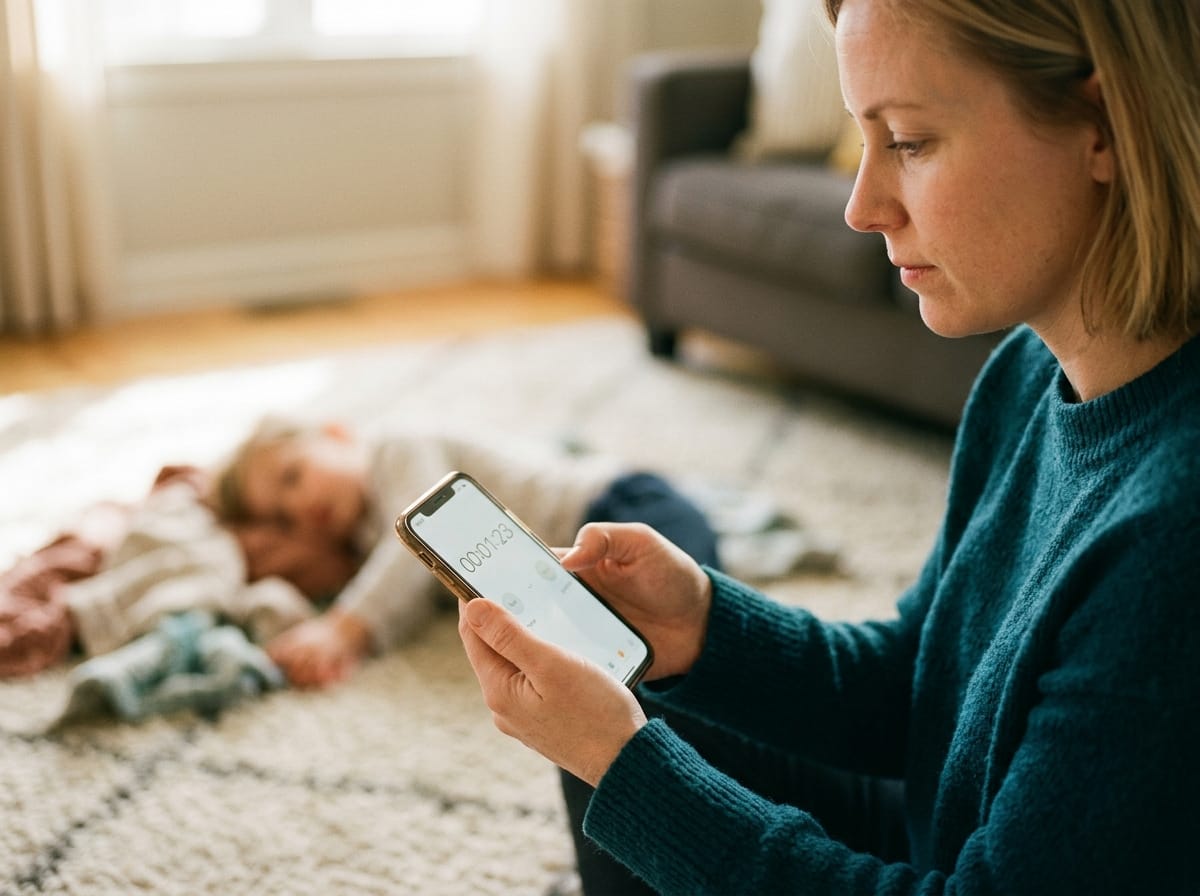
Step 2: Start the Timer Immediately
Look at your phone or a clock the moment the seizure begins. Note the exact time.
Seizure duration determines whether emergency services are needed. You cannot judge how long a seizure has lasted from how it feels. You need an actual time. Start timing the moment you notice it beginning.
Step 3: Protect From Injury — Carefully
Move hard, sharp, or hot objects away from the child. Do not try to move the child unless they are in immediate danger — near stairs, water, or traffic.
If the child is on the ground, place something soft under their head — a folded jacket, a cushion, your hands.
If the child is in a chair or elevated surface, guide them gently to the floor using as little force as possible. Support rather than restrain.
Step 4: Do NOT Restrain and Do NOT Put Anything in the Mouth
These two points require emphasis because both are common instincts that cause harm.
Do not restrain: Holding a seizing child still does not stop the seizure. It can cause injury — to the child and to you. The jerking movements need to happen. Fighting them risks broken bones, muscle tears, and injuries from the force used.
Do not put anything in the mouth: This is one of the most persistent myths about seizures. People cannot swallow their tongues — this is anatomically impossible. Inserting an object into a seizing child’s mouth risks broken teeth, jaw injury, choking, and biting injuries to the person inserting the object. Do not do this under any circumstances.

Step 5: Turn Gently onto the Side — If Safe to Do So
Once the convulsive movements have reduced or stopped, gently turn the child onto their side — left side is preferable. This is called the recovery position.
The recovery position allows saliva and any vomit to drain from the mouth rather than blocking the airway. It is appropriate once the active jerking has lessened — not during the peak of convulsive activity when turning is difficult.
Support the head. Keep the airway clear.
Step 6: Observe and Record
While the seizure continues, watch and try to remember:
- Which part of the body moved first
- Whether one side was affected more than the other
- Whether the eyes deviated in a particular direction
- Whether the child was conscious or unconscious
- The total duration
If you can, video the seizure on your phone — from a safe distance, without interfering. This observation is valuable clinical information for the neurology team and is far more reliable than a parent’s stressed memory.
Step 7: Stay After the Seizure — the Post-Ictal Phase
After a tonic-clonic seizure ends, most children enter a post-ictal phase — a period of deep sleepiness, confusion, and sometimes distress that can last from minutes to over an hour.
This phase is normal. The brain needs time to recover from the electrical storm it has just experienced. The child may not recognise you immediately. They may be combative or frightened on waking.
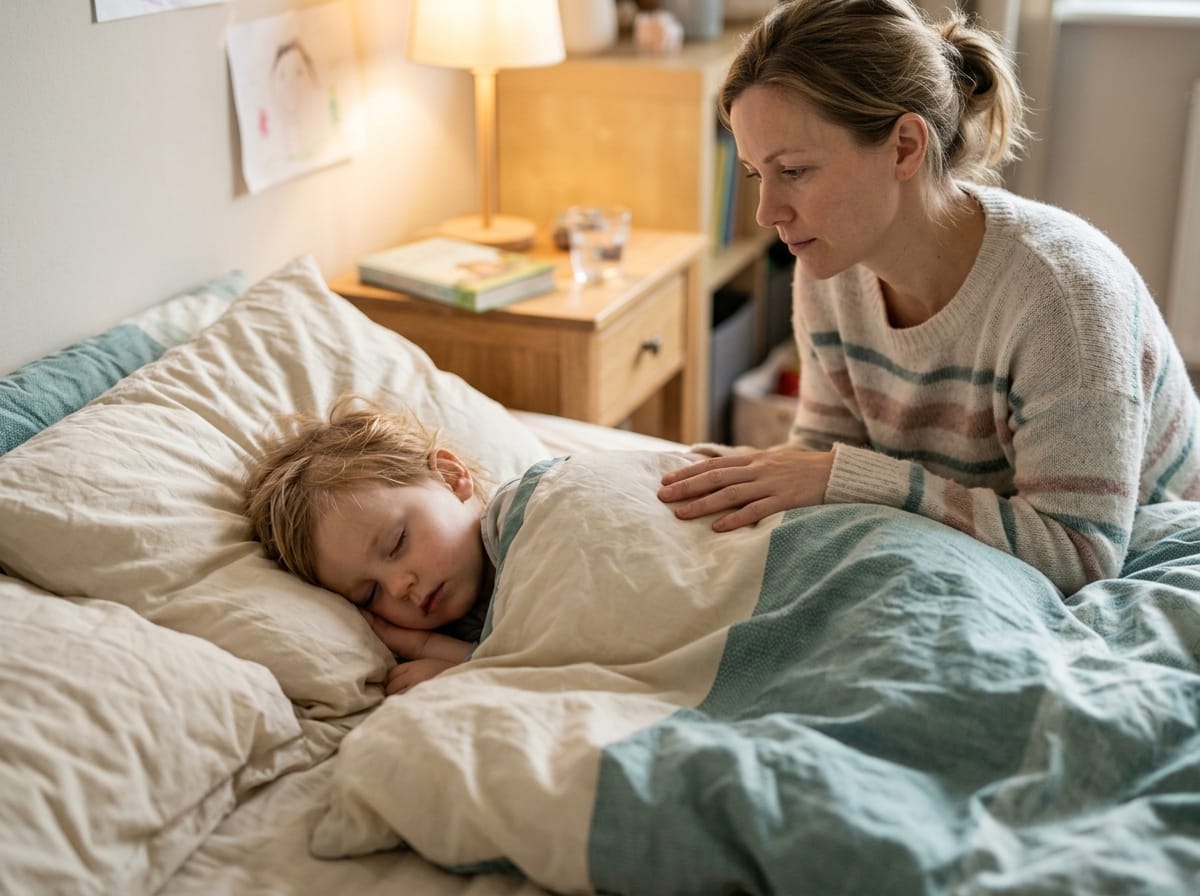
Stay with them. Speak calmly. Do not give food or water until the child is fully conscious and alert. Allow them to sleep if they need to.
When to Call Emergency Services Immediately
Call an ambulance without delay if:
The seizure lasts longer than 5 minutes. A seizure continuing beyond five minutes is significantly less likely to stop on its own and carries increasing risk of status epilepticus — a prolonged seizure state requiring emergency medication.
A second seizure starts before the child has fully recovered from the first. Back-to-back seizures without a recovery period between them require emergency assessment.
The child does not regain consciousness after the seizure ends. If 10–15 minutes pass after the seizure stops and the child remains unresponsive, this needs urgent medical attention.
The child is injured during the seizure. Head injury, significant cuts, or suspected broken bones require emergency assessment.
The child has breathing difficulty after the seizure. If the chest is not rising, lips are blue, or breathing appears obstructed, begin rescue breathing and call emergency services.
It is the child’s first ever seizure. Even if brief and resolved, a first seizure always warrants same-day medical evaluation.
The child has a fever and the seizure lasts more than 5 minutes. Standard febrile seizures are usually brief. A prolonged febrile seizure needs emergency assessment.

After the Seizure — What to Do Next
Once the immediate seizure is over and you have established that emergency services are not needed, there are several important steps.
Contact your child’s neurologist or epilepsy nurse the same day — not to report a crisis, but to document the seizure. Every seizure should be logged. Changes in seizure frequency, duration, or character inform medication decisions.
Complete a seizure diary entry. Note the date, time, duration, type of movements, any triggers that preceded it (illness, missed medication, poor sleep, specific foods or activities), and what the recovery period looked like.
If your child takes rescue medication such as midazolam or diazepam — prescribed specifically for prolonged seizures — know exactly when and how to administer it. This should have been explained to you at diagnosis. If it was not, ask at the next appointment.
What the Research Shows
Research on seizure duration in children consistently confirms that the vast majority of seizures — across all seizure types — stop spontaneously within one to three minutes without intervention. A study by Shinnar et al. published in Annals of Neurology found that prolonged seizures (lasting 30 minutes or more, known as status epilepticus) account for a small proportion of seizures in children with epilepsy — but carry disproportionately higher risk of neurological consequence. Early recognition and emergency treatment of prolonged seizures significantly improves outcomes. Available at PubMed.
Research on seizure first aid knowledge in parents of children with epilepsy consistently identifies significant gaps — including persistent belief in the myths about mouth objects and restraint. Studies have found that education delivered at the time of diagnosis significantly improves parental confidence and reduces harmful first aid responses. Available at PubMed.
What is clear across the literature: the most significant harm during a seizure typically comes not from the seizure itself but from uninformed responses to it. Knowledge is the most effective first aid tool available.
What This Means for Your Family
Print the 7 steps in this article and put them somewhere accessible — on the fridge, saved as a phone note, given to your child’s school and carer.
Practice saying the steps aloud. In the moment of a seizure, what you have rehearsed comes more easily than what you have only read.
Ensure everyone who regularly cares for your child — grandparents, childminders, teachers, older siblings — has seen and understood this guide. A seizure can happen when you are not there.
If your child has a prescribed rescue medication, carry it wherever your child goes. Know the protocol. Ensure carers know the protocol.
Your calm is the single most protective thing you bring to that moment.
Questions to Ask Your Child’s Neurologist or Epilepsy Team
- Is my child’s seizure pattern likely to require rescue medication — and if so, how and when do I use it?
- What specific seizure duration or circumstances should prompt me to call emergency services for my child?
- Should I video seizures — and if so, how do I do this without delaying first aid?
- Are there known triggers for my child’s seizures that we should be actively managing?
- What should I do if a seizure happens in a public place, at school, or in water?
- How do I complete a seizure diary effectively, and how should I share it with you?

Frequently Asked Questions About Seizure First Aid
What should I do when my child has a seizure?
Stay calm, start timing immediately, move sharp objects away, do not restrain, do not put anything in the mouth, turn gently onto their side once convulsive movements reduce, and observe carefully. Call emergency services if the seizure lasts more than 5 minutes, a second seizure follows without recovery, or the child does not regain consciousness.
Should I put something in my child’s mouth during a seizure?
No. This is one of the most dangerous seizure myths. It is anatomically impossible to swallow a tongue. Inserting any object into a seizing child’s mouth risks broken teeth, jaw injury, choking, and serious injury to you. Keep hands away from the mouth during a seizure.
How long is a normal seizure in a child?
Most seizures last between 30 seconds and 3 minutes and stop on their own without intervention. A seizure lasting more than 5 minutes should prompt a call to emergency services, as prolonged seizures are less likely to stop spontaneously and carry increased risk of status epilepticus — a medical emergency.
Can I leave my child alone after a seizure?
No. Stay with your child through the post-ictal phase — the recovery period after a seizure that can last from minutes to over an hour. Children often wake confused, frightened, and unaware of what happened. Your calm presence, a safe position on their side, and a clear airway are the most important things during this period.
The forty seconds ended. My son’s body went still. He slept for an hour, then woke confused and very tired. By that evening he was asking for dinner.
I sat with what had happened. What I had almost done. What I had not known.
I learned. I read everything I could find. The next time — because with epilepsy there often is a next time — I knew what to do. I timed it. I kept him safe. I turned him on his side. I stayed.
That knowledge does not make it less frightening. It makes it possible to be useful in the middle of the fear.
That is what this article is for.
This article is for informational purposes only and does not constitute medical advice. Always follow the specific seizure action plan provided by your child’s neurologist. Read our full disclaimer: braincarepath.com/disclaimer/
Bibliography
- Shinnar S, Berg AT, Moshe SL, Shinnar R. How long do new-onset seizures in children last? Ann Neurol. 2001;49(5):659-664. Available at PubMed.
- Reuber M, Pukrop R, Bauer J, et al. Outcome in psychogenic nonepileptic seizures. Ann Neurol. 2003. Available at PubMed.
- Epilepsy Foundation. Seizure First Aid and Safety. 2023. Available at epilepsy.com.
- Chin RF, Verhulst L, Neville BG, Peters MJ, Scott RC. Inappropriate emergency management of status epilepticus in children contributes to need for intensive care. J Neurol Neurosurg Psychiatry. 2004;75(11):1584-1588. Available at PubMed.