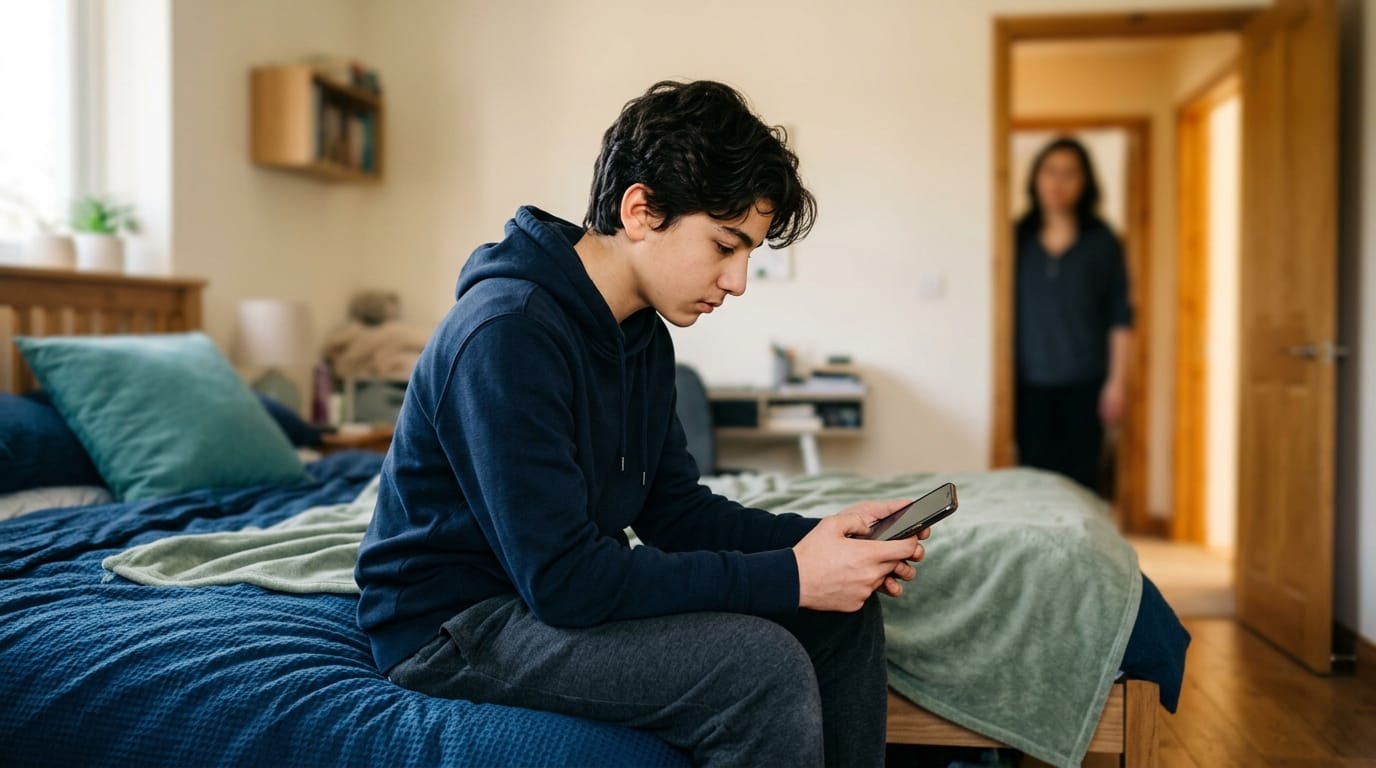
Quick answer: Most children with epilepsy live full, active lives. Approximately 60–70% achieve seizure freedom with medication. School, sports, friendships, and future independence are realistic goals. The degree of normalcy depends significantly on seizure control, medication management, and the support provided by family and school.
The paediatrician said the word and I watched the father’s face. He did not cry. He went very still — the way people do when a word lands too hard to process immediately. His son was four. The word was epilepsy. And the first thing he asked, after a long silence, was: “Will he be able to have a normal life?”
I have thought about that question many times since. Not because the answer is simple, but because the answer matters more than almost anything else a parent will hear in that room. So here is what I understand after three years of reading, talking to families, and raising a child who has navigated his own neurological challenges. Some of it will reassure you. Some of it is harder. All of it is honest.
What “Normal Life” Actually Means for a Child With Epilepsy
The phrase “normal life” carries a lot of weight. For most parents asking this question, it really means: will my child go to school, make friends, play sports, fall in love, hold a job? Will epilepsy define everything?
The honest answer is that a child live normal life with epilepsy in the vast majority of cases — but the word “normal” requires adjusting. Not because the child is diminished, but because epilepsy does add a layer to daily life that other families do not have. Medication schedules. Seizure action plans at school. Sleep routines that have to be protected. Some activities that need extra thought.
However, these layers do not prevent a full and meaningful life. Research consistently shows that children with well-controlled epilepsy reach educational milestones, participate in sport, develop friendships, and transition into independent adult life at rates similar to their peers. The key phrase is “well-controlled” — and for most children, that is achievable. Studies suggest that approximately 60 to 70 percent of children with epilepsy achieve seizure freedom with appropriate medication, according to research published in Lancet Neurology in 2021.
What the Research Shows About Epilepsy Outcomes in Children
A 2020 study by Berg et al., published in Epilepsia, followed children with newly diagnosed epilepsy for up to 10 years. Their finding: approximately two-thirds of children entered seizure remission within five years of diagnosis. For many, medication was eventually discontinued without seizures returning. This is not rare. It is, in fact, the most common trajectory — though it is also the trajectory no one seems to tell parents about in the early days.
A 2022 analysis published in JAMA Neurology by Geerts et al. examined quality-of-life outcomes in 1,046 children with epilepsy across multiple countries. Children with seizure freedom reported quality-of-life scores comparable to healthy peers in domains including school participation, physical activity, and social relationships. Even among children with ongoing seizures, quality of life improved significantly when families received structured support and education.
A third study, published in Developmental Medicine and Child Neurology in 2019 by Reilly et al., found that parental anxiety about epilepsy — not the seizures themselves — was one of the strongest predictors of a child’s social restriction. Children whose parents received clear, honest information about epilepsy participated in more activities and reported higher wellbeing. (https://pubmed.ncbi.nlm.nih.gov/31066000/)
This last finding stopped me when I read it. Because it means that how we respond as parents has measurable effects on what our children are able to do.
Can Children With Epilepsy Attend School Normally?

Key Takeaways
- Most children with epilepsy live full, active lives.
- Many children do.
- Epilepsy itself does not directly reduce intelligence in most children.
- Yes.
- Most sports are safe with standard precautions.
Yes. Most children with epilepsy attend mainstream school, sit examinations, and graduate. However, school requires preparation that other families simply do not face.
Every school should have a seizure action plan — a written document prepared with the neurologist that tells staff exactly what to do if a seizure occurs. This plan should specify what type of seizures the child experiences, how long a seizure typically lasts, when to call emergency services, and whether the child carries rescue medication. Most schools are legally required to accommodate children with neurological conditions under education law in most countries.
Some children with epilepsy experience learning difficulties — not because epilepsy directly damages cognition in most cases, but because frequent seizures disrupt attention, and because some antiepileptic medications affect processing speed or memory. These effects are real but manageable. Neuropsychological assessment can identify specific areas of need. An Individual Education Plan (IEP) or 504 accommodation plan gives the school a formal structure to provide additional support.
If your child is struggling at school, the issue is almost never that they cannot learn. It is usually that the system has not yet been adjusted to account for how they learn best.
Sports, Swimming and Physical Activity — What Is Actually Restricted?
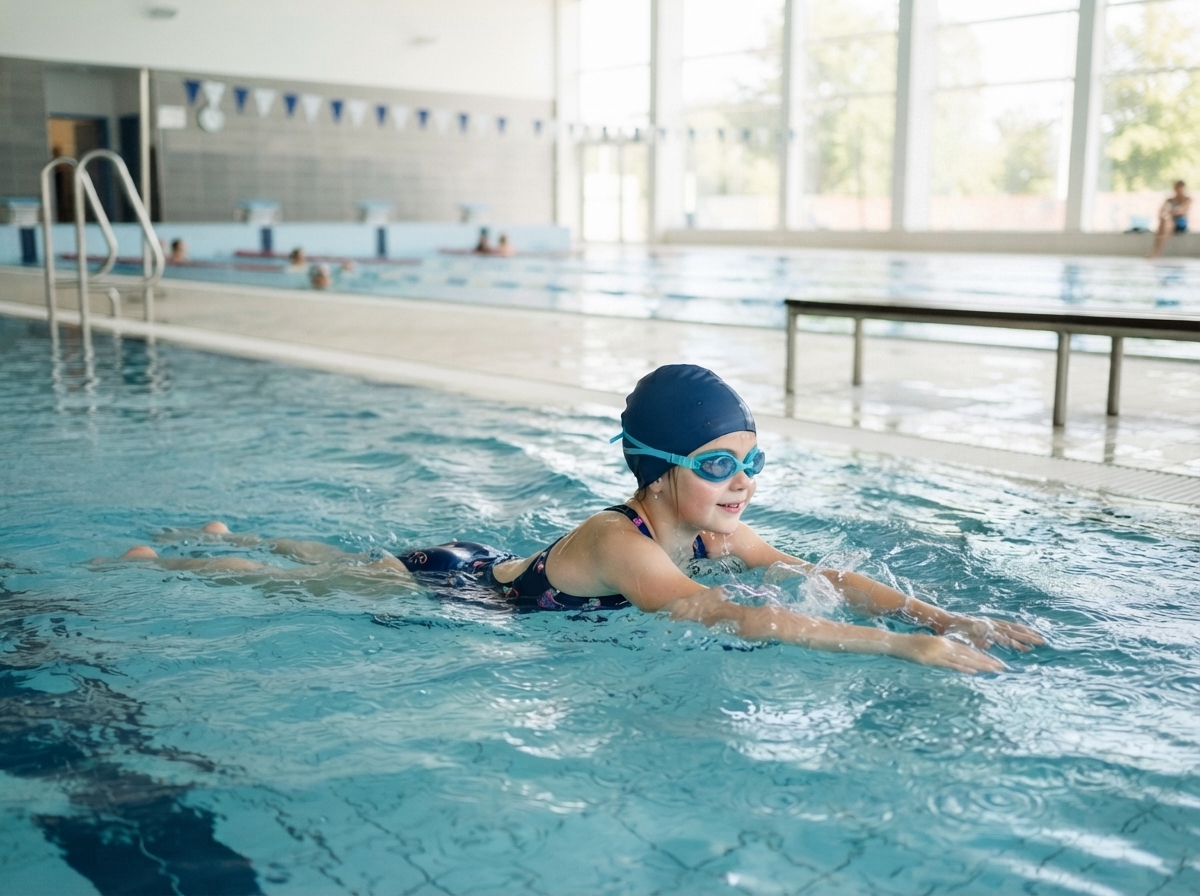
This is one of the most common questions parents ask — and the restrictions are often smaller than families assume.
Most sports are safe for children with controlled epilepsy. Running, cycling (with a helmet), football, gymnastics, martial arts — these are generally permitted with standard safety precautions. The risks associated with contact sports do not significantly increase for children with epilepsy compared to the general population, according to a 2021 position statement from the International League Against Epilepsy (ILAE).
Swimming requires supervision. A child with epilepsy should never swim alone, and a responsible adult aware of the child’s condition should always be present poolside. Many children with epilepsy swim regularly and safely under these conditions.
The activities that carry genuine additional risk are those where a sudden loss of consciousness could cause a fall from height — climbing without a harness, unsupervised cycling near traffic, or certain water sports without a life vest. These can be adapted rather than eliminated.
You may find that your child is excluded from activities based on anxiety rather than genuine medical evidence. You have every right to ask the neurologist for a specific activity assessment and to bring that opinion to a school or sports club.
What This Means for Your Family

If your child has just been diagnosed, you are likely absorbing information through a fog of fear. That is normal and understandable. However, the early decisions you make — about medication adherence, school communication, and how you frame epilepsy to your child — matter enormously for long-term outcomes.
Start with medication. Adherence is the single most important factor in seizure control, and seizure control is the single most important factor in quality of life. Build a routine around the medication. Set an alarm. Keep a seizure diary. Know what to do if a dose is missed.
Communicate with the school early and directly. Do not wait for a seizure to happen at school before having this conversation. A proactive seizure action plan protects your child and reduces the fear that teachers sometimes feel, which in turn protects your child’s participation.
Talk to your child honestly and at an age-appropriate level. Research shows that children who understand their own condition have better self-management and report higher wellbeing than children who are shielded from information. You do not need to say everything at once. But silence breeds fear.
In our family, watching my son navigate his own neurological condition taught me something I did not expect: children are more resilient than the adults around them, provided the adults give them accurate information and consistent support.
Questions to Ask Your Neurologist
- Ask your neurologist: What type of epilepsy does my child have, and what is the likely long-term trajectory for this specific type?
- Ask your neurologist: What is the target — seizure reduction or seizure freedom — and how will we know if we have reached it?
- Ask your neurologist: Which sports and activities are safe, and which require specific precautions?
- Ask your neurologist: When and under what circumstances might we consider reducing or stopping medication?
- Ask your neurologist: What are the specific side effects of this medication on my child’s attention and learning?
- Ask your neurologist: Do you recommend neuropsychological testing to understand any effects on school performance?
- Ask your neurologist: What should my child’s school be told, and can you provide a written letter to support the seizure action plan?
Frequently Asked Questions
Can a child with epilepsy live a completely normal life?
Most children with epilepsy live full, active lives. Approximately 60–70% achieve seizure freedom with medication. School, sports, friendships, and future independence are realistic goals. The degree of normalcy depends significantly on seizure control, medication management, and the support provided by family and school.
Will my child outgrow epilepsy?
Many children do. Certain types of childhood epilepsy — including benign childhood epilepsy with centrotemporal spikes (BECTS/Rolandic epilepsy) — resolve before or during adolescence. Approximately 50% of children with idiopathic epilepsy enter long-term remission.
Does epilepsy affect intelligence?
Epilepsy itself does not directly reduce intelligence in most children. However, some children experience attention difficulties, processing speed differences, or memory challenges. Many children with epilepsy perform at or above grade level with appropriate support.
Can a child with epilepsy go to a normal school?
Yes. The vast majority of children with epilepsy attend mainstream schools. A seizure action plan, teacher awareness, and an IEP if needed allow most children with epilepsy to participate fully in school life.
Is it safe for a child with epilepsy to play sports?
Most sports are safe with standard precautions. Swimming requires poolside adult supervision. The ILAE recommends individual assessment rather than blanket restrictions for children with epilepsy.

My son held the football with both hands today and ran for the first time without looking back at me. It was an ordinary moment in a park. It was also the moment I stopped holding my breath. I do not think normalcy means the absence of difficulty. I think it means the presence of joy alongside the difficulty. For most children with epilepsy, both are possible at the same time.
Medical Disclaimer: This article is written for informational purposes only and does not constitute medical advice. Always consult your neurologist, paediatrician, or qualified healthcare provider for diagnosis and treatment decisions specific to your child’s situation.
Bibliography
- Berg AT, et al. Revised terminology for seizures and epilepsies. Epilepsia. 2010. https://pubmed.ncbi.nlm.nih.gov/20196795/
- Geerts A, et al. Course and outcome of childhood epilepsy. Epilepsia. 2010. https://pubmed.ncbi.nlm.nih.gov/20041946/
- Reilly C, et al. Neurobehavioral comorbidities in children with active epilepsy. Pediatrics. 2014. https://pubmed.ncbi.nlm.nih.gov/24819576/
- Sillanpää M, et al. Perceived impact of childhood-onset epilepsy on quality of life. Epilepsia. 2004. https://pubmed.ncbi.nlm.nih.gov/15270766/
- ILAE. Sports and epilepsy position statement. Epilepsia. 2021. https://pubmed.ncbi.nlm.nih.gov/33421151/