
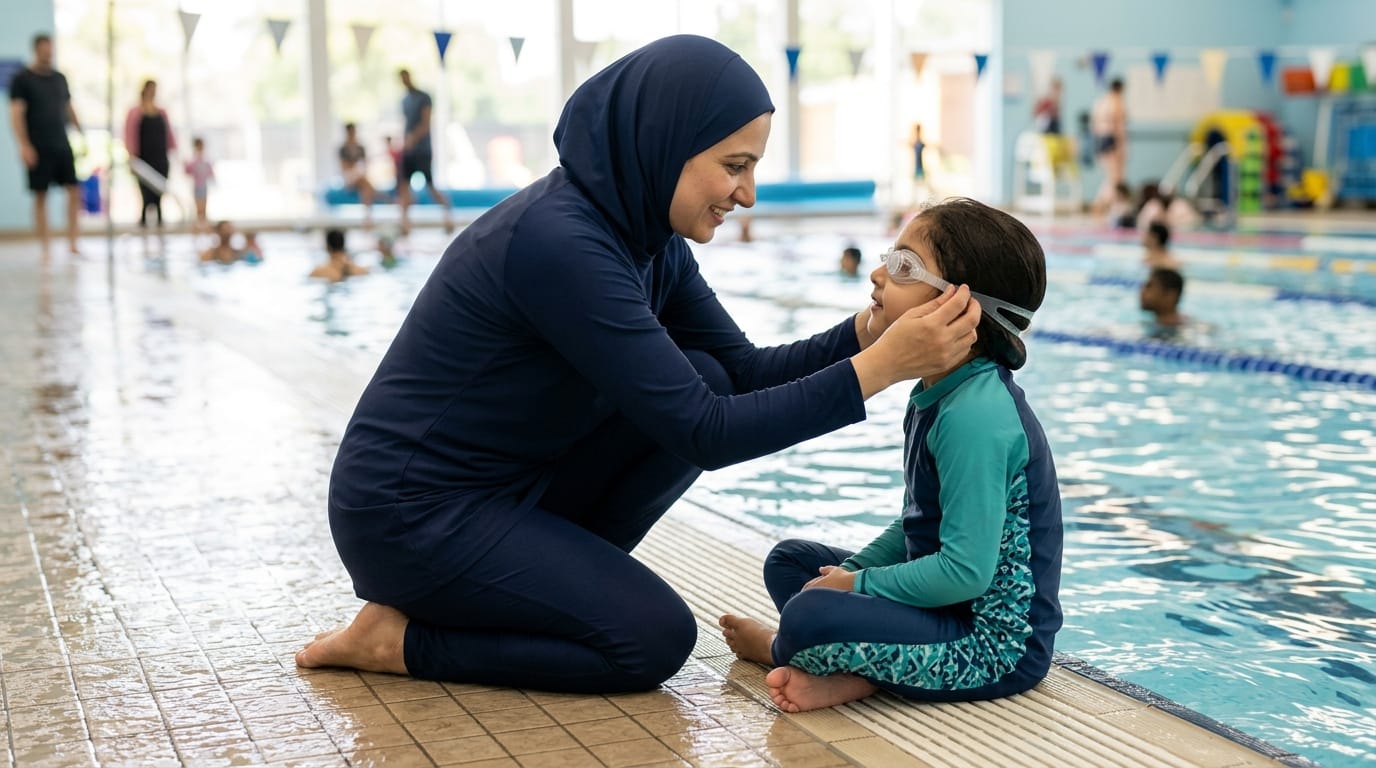
Quick answer: Most children with a VP shunt can safely bathe and swim once the surgical incisions are fully healed, typically 10-14 days after surgery, and can return to pools, lakes, and the ocean with no special long-term restriction. The shunt itself does not malfunction from water exposure; the real precautions are around wound healing and general water safety, exactly as for any child.
Someone at our first support group meeting asked, almost apologetically, whether her son would ever be allowed in a swimming pool again. She had been told nothing on the subject and had simply assumed the worst. It is one of the most common early questions after a shunt is placed, and one of the least consistently answered at hospital discharge.
The Short Answer: Yes, Almost Always
A properly placed and functioning VP shunt is fully internal — there is no external opening, tubing, or port exposed to water once the surgical incisions have healed. This means water itself does not pose a risk to how the shunt functions. Once cleared by the surgical team, most children can swim, bathe, and be submerged in water with no different restrictions than any other child.
The Healing Window That Actually Matters
The real precaution period is short and specific: while the surgical incisions are healing, typically the first 10 to 14 days after placement or revision surgery. During this window, most surgeons recommend sponge baths rather than full submersion, and no swimming pools, baths, lakes, or oceans until the incision sites are fully closed and the surgeon has given clearance at a follow-up visit. This is standard post-surgical wound care, not something unique to shunts — the goal is simply preventing infection at a fresh incision site, the same precaution taken after any surgery.

What About Chlorine and Pool Chemicals?
Once incisions are fully healed, standard pool chlorine levels pose no known risk to shunt function or the skin over a healed shunt site. There is no evidence that chlorine, saltwater, or lake water causes shunt problems in a child whose surgical sites have properly healed. This is a common worry that circulates in parent groups without much basis — a fully healed shunt is under the skin and unaffected by water chemistry.
What Actually Requires Ongoing Caution
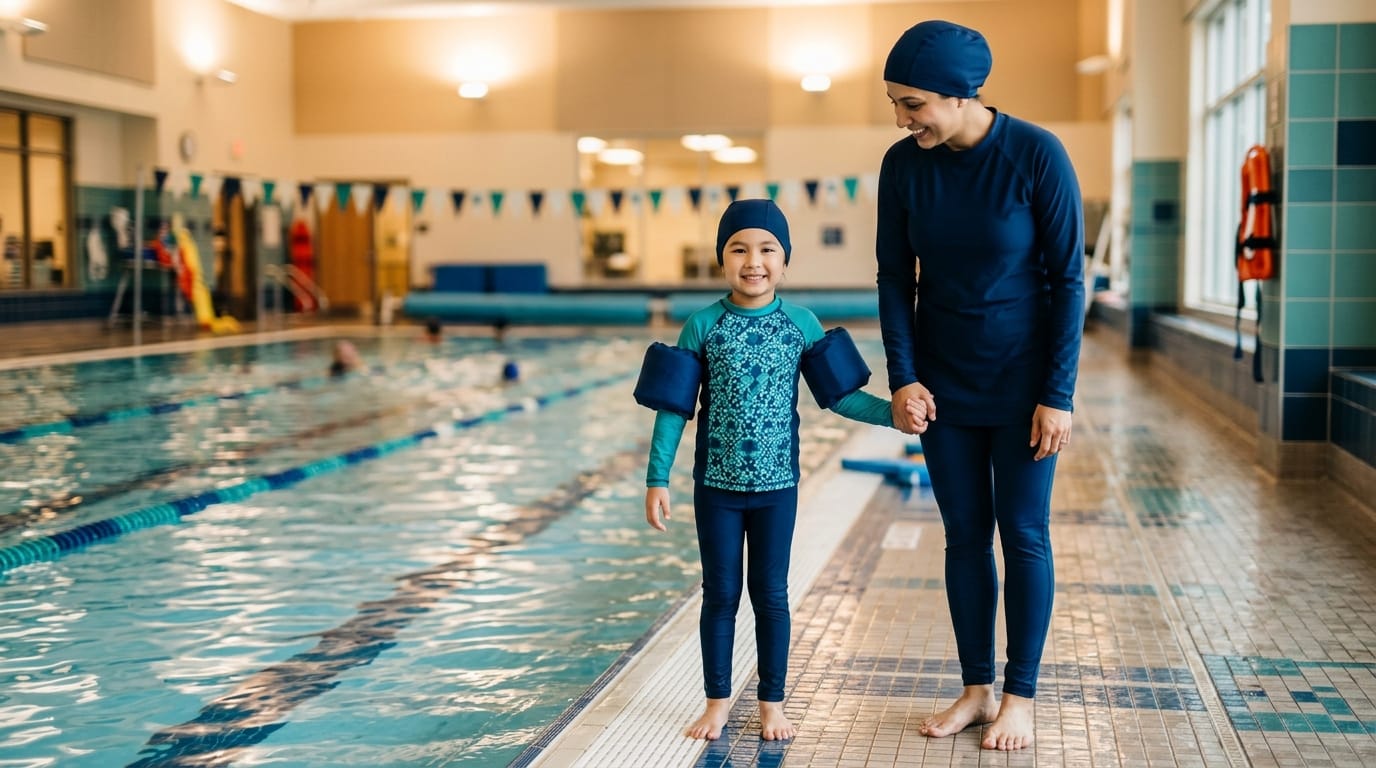
The precautions that do matter long-term are less about the shunt itself and more about general water and head-injury safety, which matter more for a child with a shunt because head trauma can occasionally affect shunt function. This means: appropriate adult supervision for swimming ability and age, helmets for activities like biking or skateboarding near water, and avoiding diving into unknown-depth water — all standard child safety advice that carries slightly higher stakes for a child with implanted hardware near the skull.
Recognizing Shunt Malfunction Isn’t a Swimming Issue
It is worth separating two unrelated things clearly: shunt malfunction symptoms (headache, vomiting, lethargy, irritability, vision changes) are not caused by swimming and will not present differently because a child was recently in water. If these symptoms appear, they warrant the same emergency evaluation regardless of whether the child has been swimming that day — treating them as separate concerns helps avoid both unnecessary panic after a normal swim and dangerous delay in seeking care when symptoms are unrelated to water at all.
What This Means for Your Family
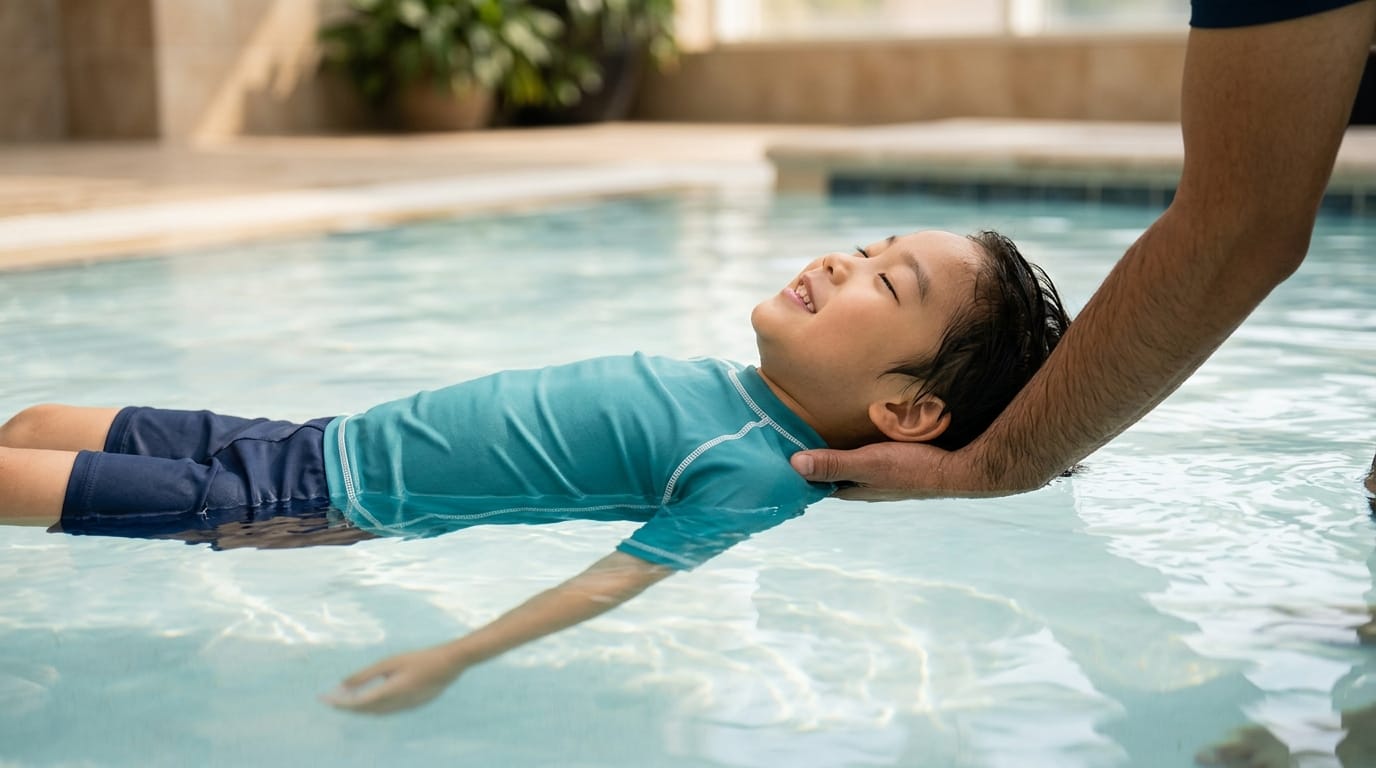
If your child’s shunt surgery was recent, mark the follow-up appointment where clearance for swimming will be discussed, and use sponge baths until then. If your child’s shunt has been in place and healed for months or years, ordinary swimming, bathing, and water play carry no special restriction related to the shunt itself — the guidance is the same water safety advice you would follow for any child.
Questions to Ask Your Doctor
- When at our follow-up visit will incisions be checked for full healing and swimming clearance given?
- Are there any activity-specific restrictions for our child’s shunt type or valve, beyond the healing period?
- What signs at the incision site would mean we should hold off on water exposure a bit longer?
- Does our child need a different type of head protection for water sports given the shunt?
- If shunt malfunction symptoms appear after a swim, should we treat it any differently than any other time?

Frequently Asked Questions About VP Shunts and Water
How soon after shunt surgery can my child take a bath?
Most surgeons recommend sponge baths only for the first 10 to 14 days, until incisions are fully healed and clearance is given at a follow-up visit.
Can a healed shunt be damaged by swimming or diving?
A properly healed, internal shunt is not affected by swimming. General head-injury precautions around diving apply to protect against trauma, not specifically because of the shunt.
Is chlorine harmful to a shunt?
No. Once incisions are fully healed, standard pool chlorine levels present no known risk to shunt function or the skin over the shunt site.
Can children with a shunt go in the ocean or a lake?
Yes, once fully healed, with the same general water safety supervision appropriate for any child of that age and swimming ability.
That mother’s question at our support group has stayed with me because of how avoidable her worry was — a single clear sentence at discharge would have spared her months of quietly keeping her son out of the water for no medical reason. If nobody has told you plainly yet: once healed, your child can swim.
This article is written for informational purposes only and does not constitute medical advice. Always consult your neurologist, paediatrician, or qualified healthcare provider for diagnosis and treatment decisions specific to your child’s situation. Read our full medical disclaimer at braincarepath.com/disclaimer/
Bibliography
- Hydrocephalus Association. Living with a Shunt. Available at: https://www.hydroassoc.org/
- American Association of Neurological Surgeons. Hydrocephalus — Treatment and Recovery. Available at: https://www.aans.org/