
Key Takeaways
- No.
- Well-controlled seizures, particularly if your child is seizure-free, are associated with meaningfully lower SUDEP risk.
- Not necessarily — this is a decision to make with your neurologist based on your child’s specific seizure type, frequency, and nighttime patterns.
SUDEP: What Every Parent of a Child With Epilepsy Should Know
By Haris Bin Tahir
Father of a hydrocephalus survivor. Independent researcher. Not a doctor.
Founder, Brain Care Path · braincarepath.com
Quick answer: SUDEP (Sudden Unexpected Death in Epilepsy) is rare, and the overwhelming majority of children with epilepsy are never affected by it. The strongest known risk factor is uncontrolled tonic-clonic (convulsive) seizures — good seizure control is the single most protective step a family can take.
Key Takeaways
- SUDEP (Sudden Unexpected Death in Epilepsy) is rare, and the overwhelming majority of children with epilepsy are never affected by it
- The strongest known risk factor is uncontrolled tonic-clonic (convulsive) seizures — good seizure control is the single most protective step a family can take
- Nighttime seizure monitoring and supervision reduce risk, which is why new wearable seizure-detection research matters
- Never missing doses and keeping every follow-up appointment are two of the most concrete, doable things parents can do
- This is a topic worth discussing openly with your neurologist rather than avoiding out of fear — informed families are better positioned to reduce risk
There is a term that many parents of children with epilepsy eventually come across, usually late at night, usually while searching for something else — SUDEP. It stands for Sudden Unexpected Death in Epilepsy, and encountering it unprepared can be frightening in a way that is hard to shake.
We are writing about it directly, not to add to that fear, but because the alternative — parents discovering the term alone, without context — is worse. Understanding what SUDEP actually is, how rare it really is, and what concretely reduces risk turns a vague, looming worry into something you can act on.
What SUDEP Is
SUDEP refers to the sudden, unexpected death of a person with epilepsy that is not caused by an accident, drowning, or other identifiable cause, and is not explained by status epilepticus (a prolonged seizure). It is understood to be related to how tonic-clonic seizures can, in rare instances, affect breathing and heart rhythm — particularly during or shortly after a seizure, especially at night when a child is unsupervised.
It is important to say plainly: SUDEP is rare, and it is considerably rarer in children than in adults with epilepsy. The large majority of children with epilepsy will never be affected by it. Sharing that context is not meant to minimize the reality of SUDEP — it is meant to put a frightening term into an accurate, proportionate perspective.
Putting the Real Risk in Context

Risk is not evenly distributed across all children with epilepsy. It is concentrated most strongly among children with frequent, uncontrolled tonic-clonic (convulsive) seizures — particularly those that occur at night and are unwitnessed. Children whose epilepsy is well-controlled, especially those who are seizure-free or who have only milder seizure types, face meaningfully lower risk.
This is precisely why “achieving the best possible seizure control” is not just a quality-of-life goal in epilepsy care — it is understood to be the single most protective factor against SUDEP that currently exists.
Practical, Concrete Risk-Reduction Steps
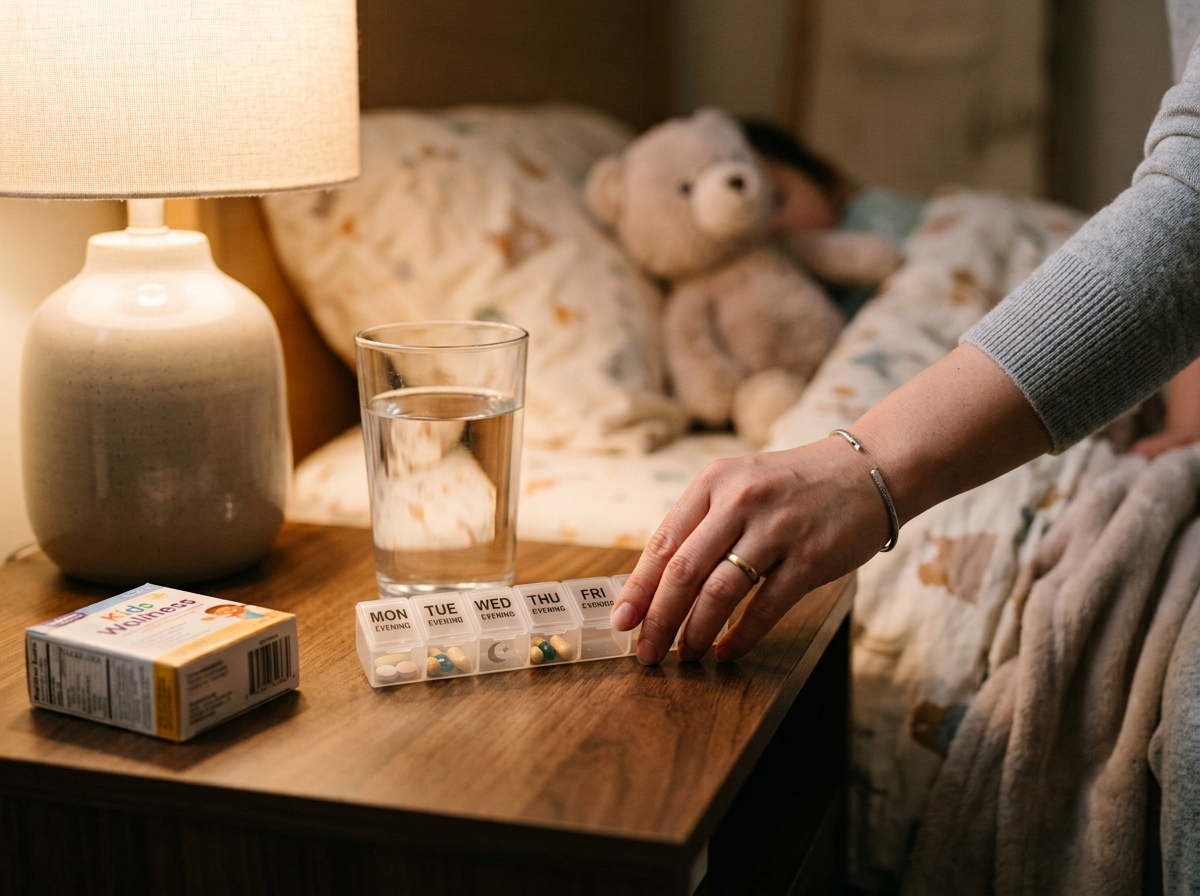
- Never miss a dose. Medication non-adherence is one of the most modifiable risk factors — a consistent routine (alarms, pill organizers, involving older children in their own dosing) genuinely matters.
- Attend every neurology follow-up — this is how uncontrolled seizures get identified and addressed before they become a bigger risk.
- Consider nighttime supervision or monitoring for children with a history of nocturnal tonic-clonic seizures, particularly seizure-alert devices or a room-sharing arrangement during high-risk periods.
- Have a written seizure action plan shared with every caregiver, school, and family member who spends time with your child.
- Treat prolonged seizures as an emergency — rescue medication and knowing when to call emergency services are part of preventing the rare but serious complications tied to SUDEP.
Where Seizure-Alert Technology Fits In
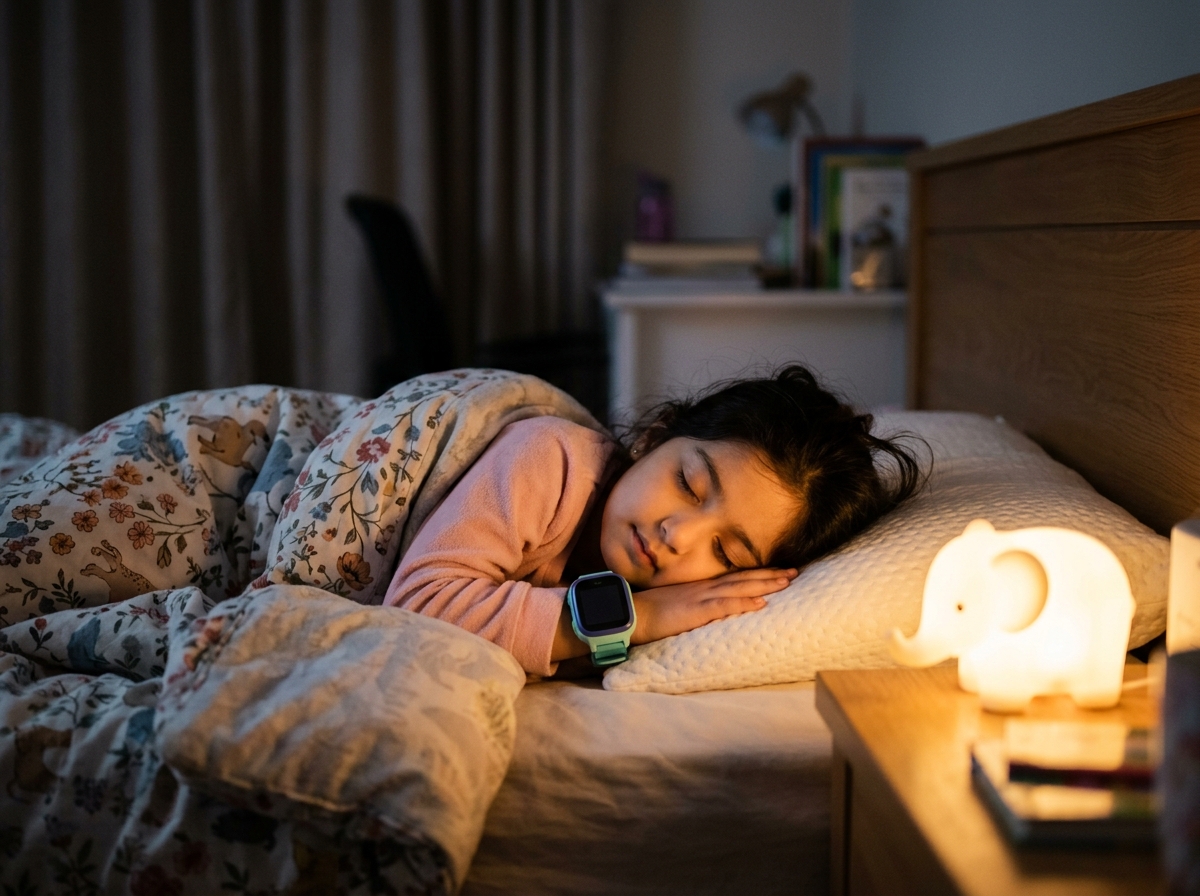
This is an area of real, current research progress. A study published in May 2026 found that a smartwatch-based seizure-detection app accurately identified the large majority of tonic-clonic seizures in a study group of children and adults, with a substantially lower false-alarm rate than earlier devices — a meaningful step, because high false-alarm rates have historically discouraged families from using these devices consistently. We cover this research in more depth in our companion article on seizure detection wearables.
These devices are not a replacement for good seizure control or supervision, but for families managing a child with frequent nighttime convulsive seizures, they represent a genuinely promising additional layer of safety worth discussing with a neurologist.
What This Means for Your Family
If your child’s epilepsy is well-controlled, this is important context to hold onto rather than dwell on. If your child continues to have frequent convulsive seizures, particularly at night, this is worth a direct, unhurried conversation with your neurologist about specific risk-reduction steps for your family — not something to research alone at midnight and carry silently.
Questions to Ask Your Neurologist
- Based on our child’s seizure type and frequency, what is our individual risk level?
- What specific steps would you recommend for our family to reduce that risk?
- Would a seizure-alert device be appropriate for our child?
- What does our written seizure action plan need to include for school and other caregivers?
Frequently Asked Questions About SUDEP
Is SUDEP common in children with epilepsy?
No. SUDEP is rare overall and rarer still in children than adults with epilepsy. The large majority of children with epilepsy, including many with active seizures, are never affected by it.
If my child’s seizures are well-controlled, do we still need to worry about SUDEP?
Well-controlled seizures, particularly if your child is seizure-free, are associated with meaningfully lower SUDEP risk. It remains reasonable to know the general risk-reduction steps, but this is not something that should dominate day-to-day life for a family whose child’s epilepsy is well-managed.
Should every child with epilepsy wear a seizure-detection device?
Not necessarily — this is a decision to make with your neurologist based on your child’s specific seizure type, frequency, and nighttime patterns. It is most often discussed for children with frequent, unsupervised, or nocturnal convulsive seizures.
SUDEP is a real term with a frightening name attached to a rare outcome. Understanding it clearly — rather than encountering it unprepared — is what lets a family focus on what actually helps: consistent medication, attentive follow-up, and an honest conversation with the people who know your child’s epilepsy best.
This article is for informational purposes only and does not constitute medical advice. If you have concerns about your child’s SUDEP risk, speak directly with their neurologist. Read our full disclaimer: braincarepath.com/disclaimer/
Bibliography
- American Academy of Neurology / Brain and Life. Smartwatch App Detects Seizures with Low Rate of False Alarms. Available at brainandlife.org.
- AAN Press Release. Smartwatch app detects seizures with low rate of false alarms. Available at aan.com.
- Artificial intelligence in wearable seizure detection devices: current technologies and future directions. Available at PubMed.
- Epilepsy Foundation. Seizure First Aid and Safety. Available at epilepsy.com.