
Key Takeaways
- Not exactly.
- There is no single age — it depends on the epilepsy syndrome, how long your child has been seizure-free, and EEG findings.
- No.
Can Epilepsy Be Cured? Understanding Seizure Freedom and Remission in Children
By Haris Bin Tahir
Father of a hydrocephalus survivor. Independent researcher. Not a doctor.
Founder, Brain Care Path · braincarepath.com
Quick answer: Doctors generally use the term “remission” or “seizure freedom” rather than “cure,” because epilepsy is a spectrum of conditions rather than one single disease. Many children with epilepsy achieve full seizure control on medication, and a meaningful number eventually outgrow the condition entirely.
Key Takeaways
- Doctors generally use the term “remission” or “seizure freedom” rather than “cure,” because epilepsy is a spectrum of conditions rather than one single disease
- Many children with epilepsy achieve full seizure control on medication, and a meaningful number eventually outgrow the condition entirely
- Certain childhood epilepsy syndromes are specifically known to resolve with age
- “Seizure freedom” usually means no seizures for an extended period, often assessed alongside EEG findings before medication is considered for tapering
- Whether and when to try stopping medication is a decision made carefully with a neurologist — never on your own
“Can epilepsy be cured?” is one of the first things parents type into a search bar after a diagnosis — often at 2am, phone lighting up a dark room, desperate for a simple yes. The honest answer is more nuanced than either word alone, but it is also, for many families, genuinely hopeful.
This article explains what doctors actually mean by remission and seizure freedom, which children are more likely to outgrow epilepsy, and what a realistic long-term outlook looks like.
Why Doctors Rarely Use the Word “Cure”
Epilepsy is not one disease — it is an umbrella term covering dozens of distinct conditions and syndromes, each with different causes, patterns, and outlooks. Because of that variety, neurologists tend to speak in terms of “remission” and “seizure freedom” rather than “cure,” which implies a single condition that has been permanently eliminated. That is not a way of avoiding the question — it reflects how genuinely different one child’s epilepsy can be from another’s.
What “Seizure Freedom” Actually Means

Seizure freedom generally refers to an extended period — often measured in years — with no seizures while on medication. For many children with epilepsy, this is genuinely achievable: a large share reach good seizure control with the right medication, sometimes on the first medication tried, sometimes after adjusting the approach with their neurologist.
Seizure freedom is not automatically the same as being “cured” or being ready to stop medication — but for day-to-day life, it is the outcome most families are actually hoping for: a child who goes to school, plays sports, and grows up without seizures interrupting their life.
Will My Child Outgrow Epilepsy?
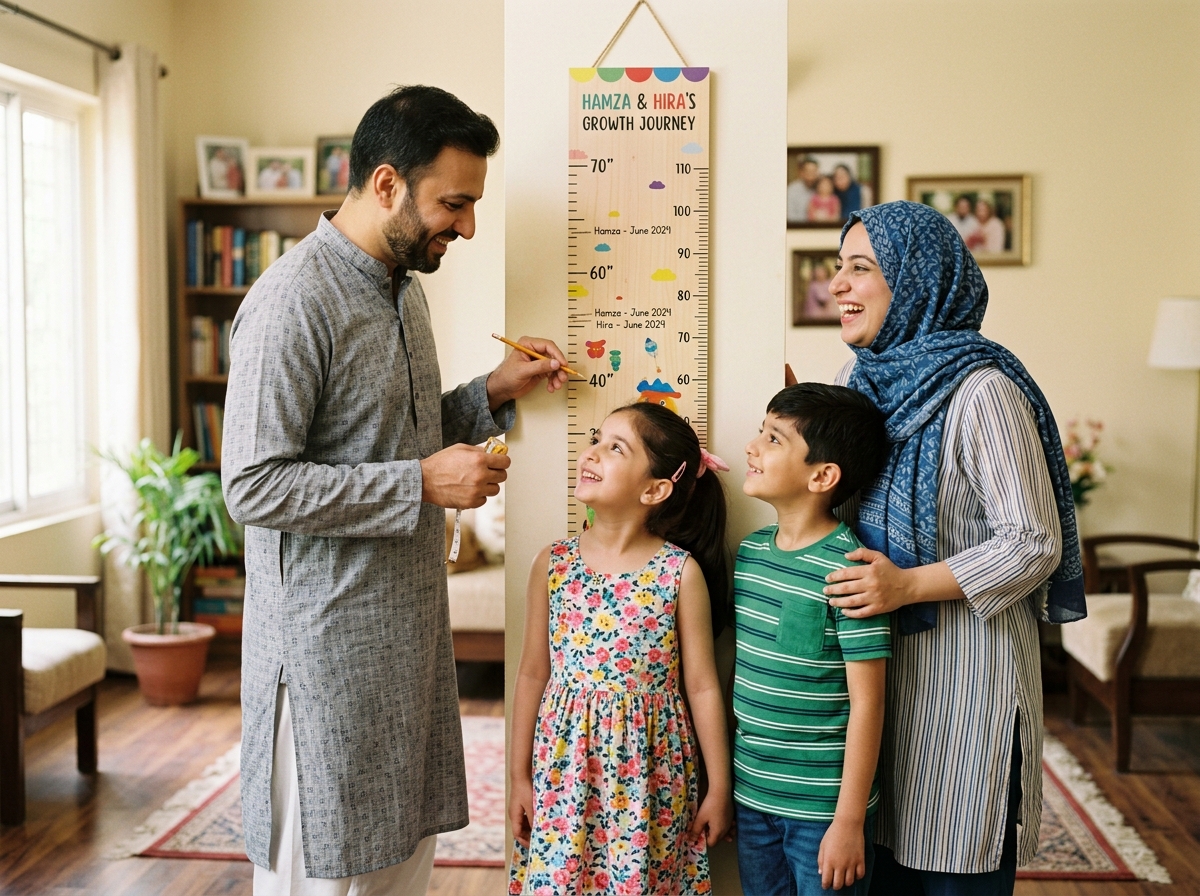
For a meaningful number of children, yes. Some childhood epilepsy syndromes are specifically age-related and tend to resolve on their own by adolescence, as the brain matures. In these cases, neurologists may guide families toward eventually tapering off medication under close supervision, once the child has gone a sufficient seizure-free period and EEG findings support it.
Other epilepsy types are more likely to be lifelong, requiring ongoing management rather than an expectation of full resolution. This is exactly why an accurate diagnosis of the specific epilepsy syndrome — not just “epilepsy” as a general label — matters so much for understanding your child’s individual outlook.
What the Research Shows
Long-term outcome studies consistently show that most children with epilepsy achieve good seizure control, and a substantial proportion eventually stop needing medication altogether. Even among children who continue to need treatment long-term, epilepsy for the majority becomes one manageable part of their life rather than a defining, limiting one.
Living With Realistic Expectations
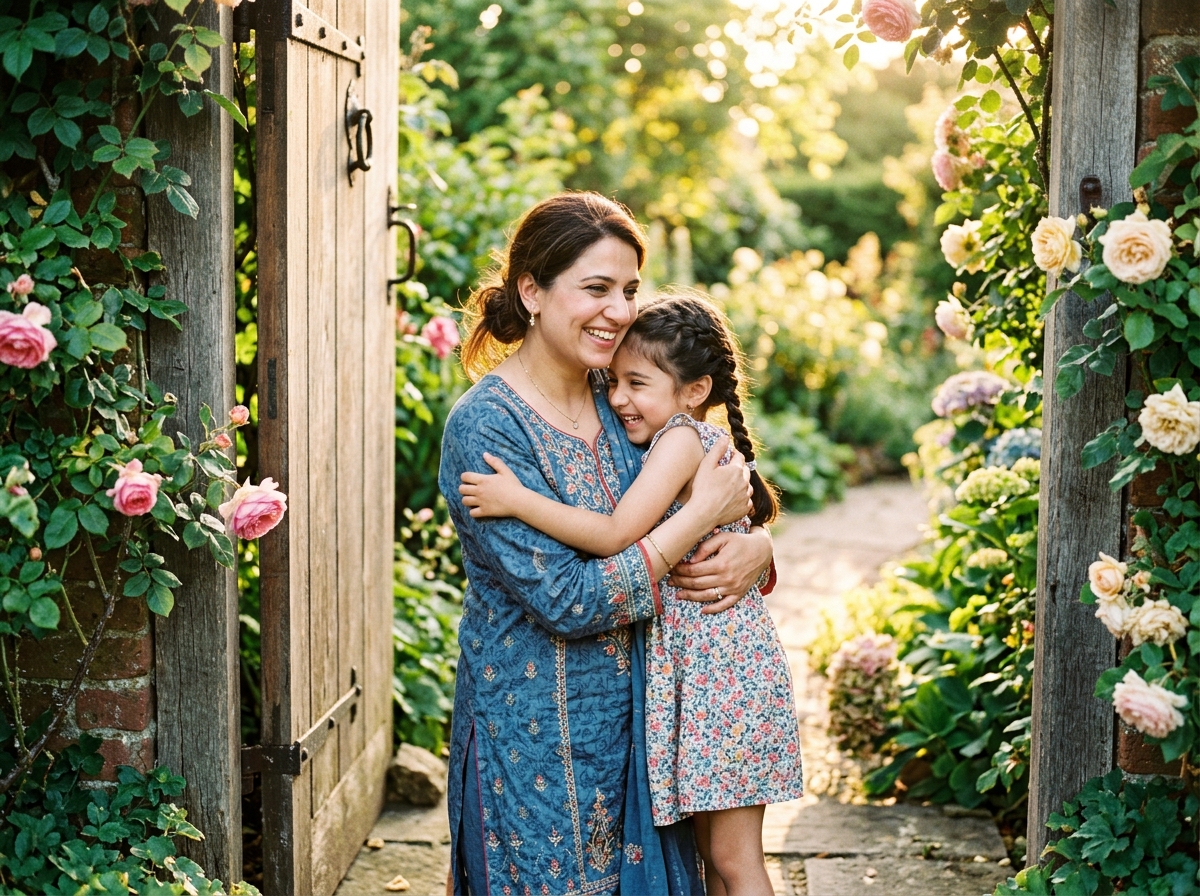
Realistic hope looks different from either extreme — it is not “your child will definitely outgrow this,” and it is not “this will define your child’s life forever.” It is closer to: many children with epilepsy do very well, seizure control is achievable for most, and the specific outlook depends on your child’s individual diagnosis, which is worth revisiting with your neurologist as more information becomes available over time.
Questions to Ask Your Neurologist
- What specific epilepsy syndrome has our child been diagnosed with, and what is typically known about its long-term course?
- Is this a type of epilepsy children commonly outgrow?
- What would need to be true — in terms of seizure-free time and EEG results — before we could discuss tapering medication?
- What does “well-controlled” realistically look like for our child specifically?
Frequently Asked Questions About Epilepsy Remission
Is epilepsy remission the same as being cured?
Not exactly. Remission generally describes an extended seizure-free period, sometimes off medication. Doctors are typically cautious about calling this a permanent cure because a small risk of recurrence can remain, which is why ongoing monitoring continues even after tapering off medication.
At what age can doctors consider stopping medication?
There is no single age — it depends on the epilepsy syndrome, how long your child has been seizure-free, and EEG findings. This decision is always individualized and made gradually, under close neurologist supervision, never abruptly.
If seizures come back after stopping medication, does that mean something went wrong?
No. A return of seizures after a supervised medication taper is a known possibility, not a failure of care. It simply means treatment needs to resume, and most children who restart medication after a recurrence regain good seizure control again.
“Can epilepsy be cured” rarely has a one-word answer — but the fuller answer is, for most families, more hopeful than the fear behind the question. Seizure freedom is achievable for the majority of children with epilepsy, and for many, epilepsy becomes something they grew through rather than something they carry forever.
This article is for informational purposes only and does not constitute medical advice. Never stop or taper your child’s medication without guidance from their neurologist. Read our full disclaimer: braincarepath.com/disclaimer/
Bibliography
- Epilepsy Foundation. Managing Your Child’s Epilepsy. Available at epilepsy.com.
- Epilepsy Foundation. Epilepsy for Parents and Caregivers. Available at epilepsy.com.
- HealthyChildren.org (American Academy of Pediatrics). Talking About Epilepsy with Children, Family and Friends. Available at healthychildren.org.